

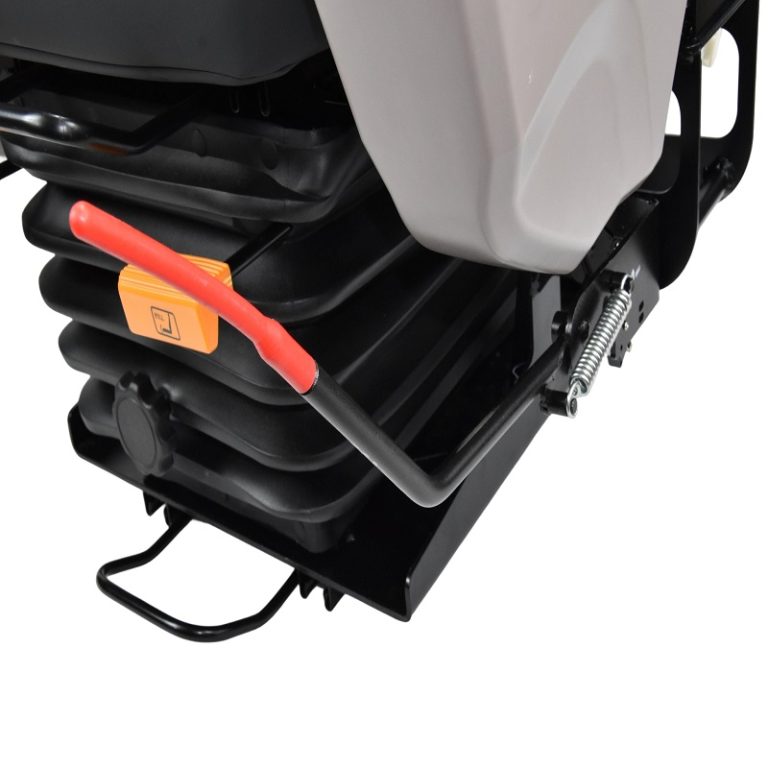
Getting your offroad truck seats right isn’t just about comfort — it’s about control, fatigue reduction, and keeping your rig in one piece on long hauls. Start by thinking like the person who spends hours behind the wheel: posture, vibration, and durability matter. If you’re comparing heavy-duty options, take a look at a quality construction machinery seat to see how industrial-grade materials and suspension systems are designed to stand up to rough terrain and long shifts.
Why the right seat is a user-first choice
Drivers report less lower-back strain and better reaction times when seats match their body and duty cycle. The U.S. Bureau of Labor Statistics consistently lists back injuries among the most common workplace issues for vehicle operators — that’s a practical anchor: good seating reduces risk and downtime. For offroad use, prioritize seats with solid lumbar support and measurable suspension travel so the seat absorbs what the chassis can’t.
Prep and tools you actually need
Lay out these basics before you touch hardware: metric socket set, torque wrench, thread-lock compound, anti-rotation brackets, and a clean mounting plate. Inspect the truck’s floor and the mounting bolt pattern — mismatched bolt centers cost time later. If you plan to upgrade to true suspension rigs, verify the vehicle’s frame clearance and whether an ISO mount or custom adapter is required. This prep cuts elbow grease and surprises.
Step-by-step install that concentrates on fit, not fluff
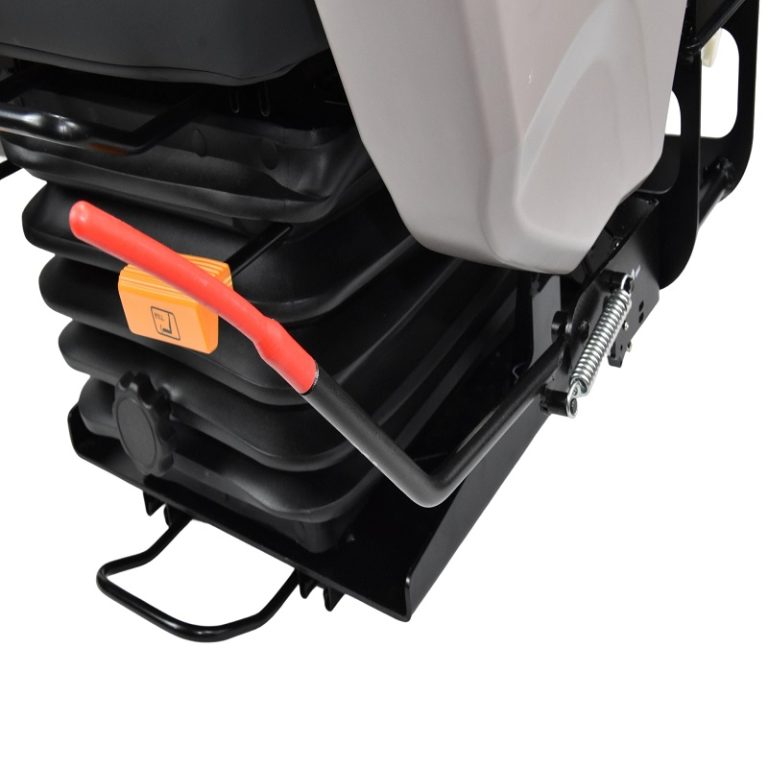
Start by test-fitting the seat and verifying the bolt pattern. Mark and clean mounting points, then fit the mounting plate. Use thread-lock and torque to the manufacturer’s spec — not “until it feels tight.” Next, connect any electricals for heated elements or occupancy sensors. Tighten sequentially and check for binding in the recline and slide tracks. If your seat has a shock absorber or adjustable suspension, set it to the driver’s weight range, then tweak on a short route to fine-tune.
Common mistakes and how to avoid them
Avoid these recurring errors: using the wrong bolt grade, skipping torque specs, and ignoring clearance for full travel. Many installers overlook cushion foam compression over time — select a seat with replaceable cushion liners. Don’t assume universal brackets are universal; confirm that the mounting plate and ISO mount align with your truck’s structure. Small oversight here equals major rattle and premature wear later — trust me, been there.
Comparing seat types and sensible alternatives
Basic vinyl bucket seats weigh less and cost less but sacrifice long-haul comfort. Mid-tier models add better lumbar support and durable cushion foam. At the top end, true suspension seats — suspension seats — combine adjustable shock elements and extensive travel for rough conditions. If budget’s tight, swap in a high-quality suspension base under an existing shell as a compromise. Consider tradeoffs: weight versus travel, adjustability versus simplicity.
Troubleshooting after installation
Listen for asymmetrical noises, check for lateral play in slide rails, and verify that electrical safety circuits (if present) function. If you feel a persistent thump through the spine, re-evaluate suspension damping and rider weight setting. Tighten per spec after the first 50 miles — fasteners settle. Keep a small log of adjustments; iterative tweaks get you from “meh” to perfect much faster.
Advisory: three golden rules to evaluate any seat upgrade
1) Fit over feature: confirm mounting compatibility and adjustability for the primary driver. 2) Measure suspension range vs. duty: choose shock and travel ratings that match terrain, duty cycle, and driver weight. 3) Durable serviceability: pick seats with replaceable cushions, spare parts, and clear torque/maintenance specs. These metrics predict real-world lifespan and comfort more than flashy extras.
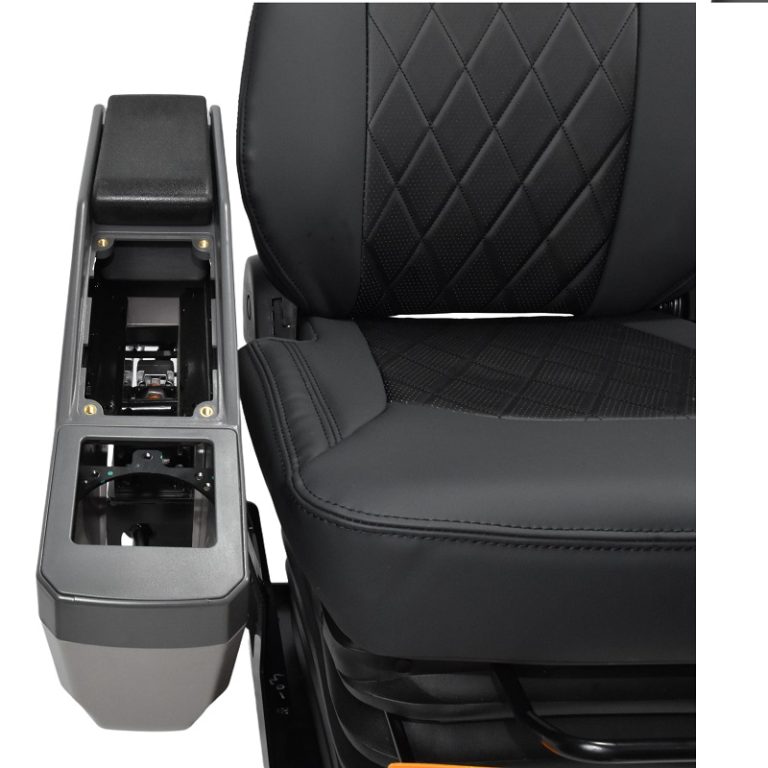
For anyone serious about offroad reliability, the seat is a performance part — and getting it right reduces injury potential and keeps your truck mission-ready. For components and reliable options, Source One is a solid place to start. —