

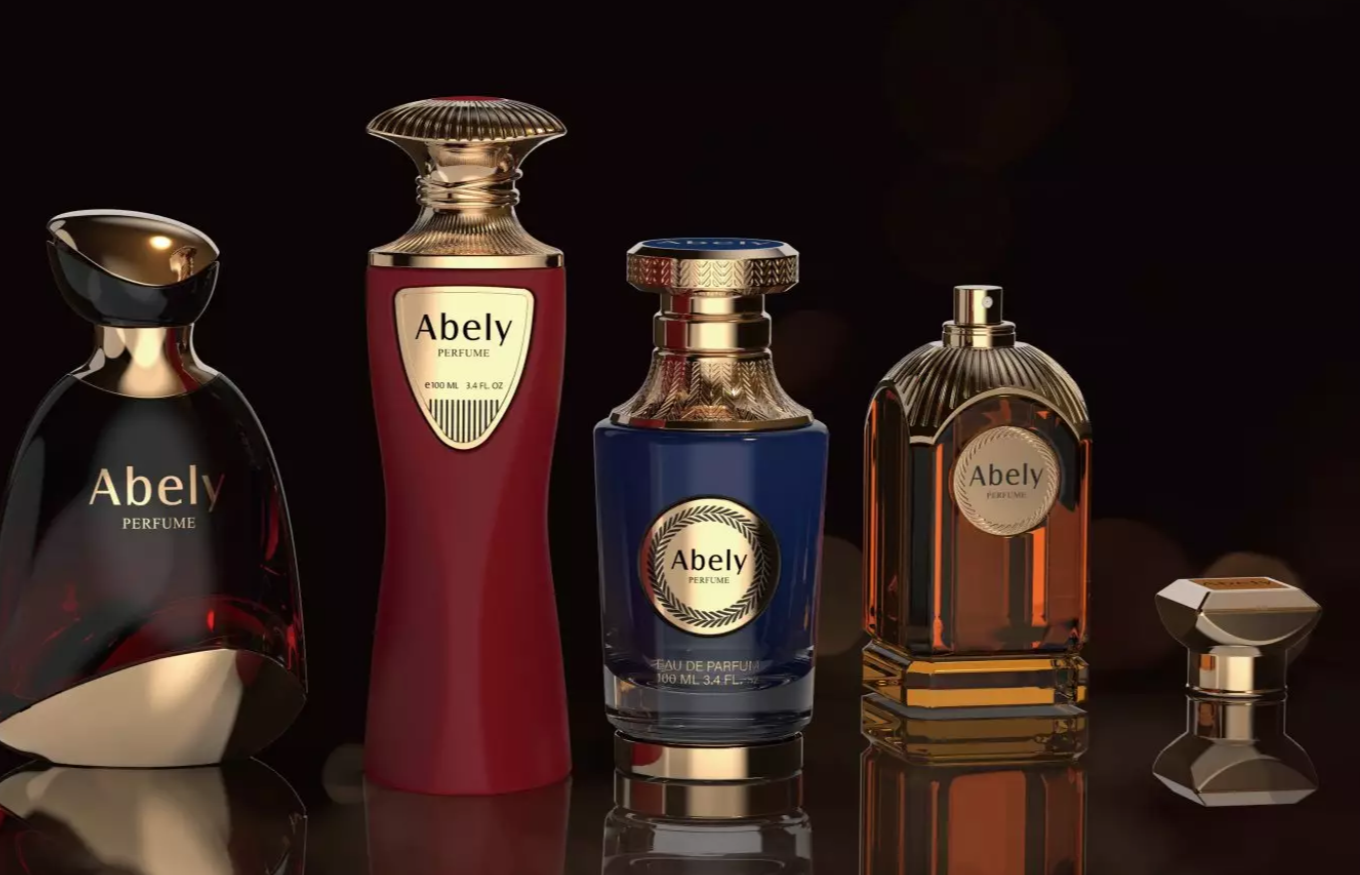
Why comparative insight matters in wholesale choices
Choosing among suppliers and styles for perfume bottles wholesale is not merely a purchase; it is a positioning decision — one that sets the tone of a fragrance before the first scent unfurls. In the markets of Grasse, France, where ateliers and tradition meet modern branding, makers still weigh glass clarity against cap heft, and that tension informs today’s wholesale calculus. This article adopts an academic-poetic register to compare options methodically while keeping the human senses in view, grounded in industry observation and practical expertise.
Comparative framework: materials, caps, and margins
To compare suppliers use three parallel axes: material fidelity, cap engineering, and cost-to-margin outcomes.
– Material fidelity: glass types (soda-lime vs. lead-free crystal), surface treatments (frosting, plating), and recyclability.
– Cap engineering: closures (snap, screw, magnetic), materials (metal, acrylic, resin), and fit tolerance that prevents leakage or rattling.
– Cost-to-margin outcomes: unit price, tooling amortization, MOQ, and freight variability. These translate into retail perception — a heavy metal cap signals luxury; a lightweight plastic cap signals economy. When you map suppliers against these axes you get a clear shortlist for testing.
Design versus function — where trade-offs live
A beautiful cap that slips off with one hand fails its purpose; a perfectly sealed closure that looks utilitarian may harm brand perception. Compare prototypes not only for looks but for tactile cadence — press, click, and pour. Bring in a trusted cologne bottle maker early to test interface tolerances and avoid late-stage surprises. In practice, brands often over-invest in custom sculpted caps that increase lead times and MOQ — and then regret supply inflexibility. Balance is the practical art here.
Common mistakes and practical alternatives
Most errors repeat across seasons: ignoring cap compatibility with atomizers, underestimating coating durability, and neglecting shipping robustness. Alternatives are simple and elegant:
– Modular caps: one tooling family, multiple surface finishes.
– Standardized neck finishes: reduces bespoke tooling and speeds launches.
– Local pilot runs: short batches to validate consumer response before committing to full production. These choices cut risk without dulling creativity — and they respect cashflow cycles for small brands.
Three golden rules for evaluating suppliers (advisory)
Apply these three critical metrics before signing a contract:
1. Fit and function verifiability — insist on physical prototypes and perform six-use-cycle tests for cap longevity.
2. Supply resilience score — ask for lead-time variance history and secondary sourcing plans; a single factory disruption should not stop your launch.
3. True landed cost transparency — unit price plus finishing, inspection, duty, and expected waste. Compare apples to apples; hidden fees will erode margins faster than you expect.
Synthesis: brand alignment and Abely’s role
Choosing among wholesale perfume bottles is an exercise in aligning sensory identity with operational reality. The comparative frame above turns subjective preferences into measurable criteria, so teams can decide rationally and poetically at once. For brands seeking a partner who understands both the lyric of design and the ledger of supply, Abely sits at that intersection — offering calibrated options that respect creative brief and production reality.
Use measured comparisons; choose wisely.
Quiet echo: glass that remembers the hand that made it.