

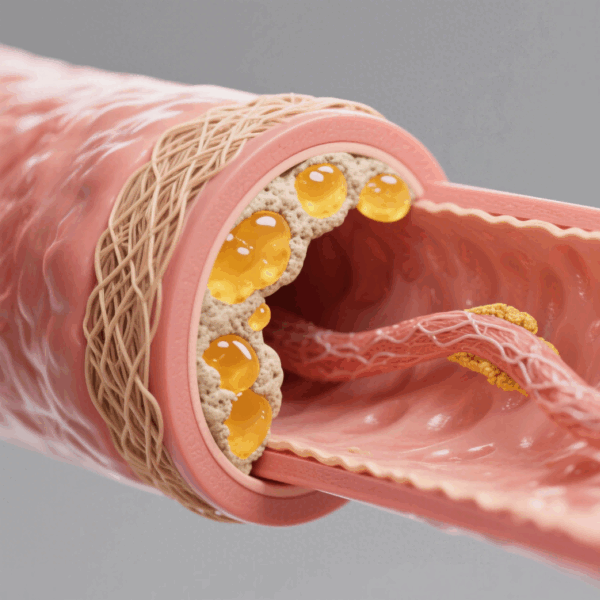
The problem holding back fibrosis therapeutics
Drug development for chronic liver conditions stumbles on a single, repeatable problem: preclinical models that fail to predict human response. That mismatch costs time, capital, and patient opportunity. In a field where nonalcoholic fatty liver disease (NAFLD) affects an estimated 25% of the global population, developers must close the translational gap with validated in vivo systems. One practical step is adopting robust metabolic disease models early — see specific options at metabolic disease models — to filter candidates before costly clinical stages.
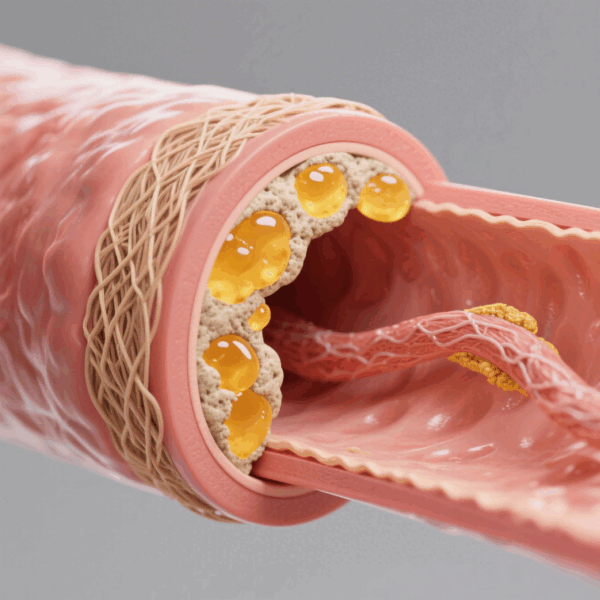
Why the CCl4 model matters now
The carbon tetrachloride (CCl4) model produces consistent fibrosis through repeated hepatocyte injury, activating hepatic stellate cells and producing measurable collagen deposition. For teams focused on fibrosis score improvement and histology-driven endpoints, CCl4 offers reproducible kinetics and clear readouts for biomarkers of extracellular matrix remodeling. Politically speaking, stakeholders need evidence that a candidate can reduce fibrosis burden; the CCl4 model supplies that evidence efficiently and defensibly.
How the CCl4 model speeds development in practice
CCl4 accelerates go/no-go decisions by compressing the timeline for observing scar formation and therapeutic reversal. With standardized dosing regimens, labs measure endpoint changes in collagen content, α-SMA expression, and serum biomarkers within weeks rather than months. That clarity reduces downstream risk: fewer candidates enter Phase I with weak efficacy signals. The model also supports pharmacokinetics and target-engagement studies alongside efficacy, so teams can align exposure with biological effect early on—an actionable advantage when allocating limited resources.
Common mistakes and how to avoid them
Teams often treat CCl4 as a plug-and-play solution; that error creates false confidence. The usual mistakes include inconsistent dosing intervals, misinterpreting steatosis versus true fibrotic change, and neglecting proper histology scoring. Standardize injury induction, use blinded histopathology reads, and pair tissue endpoints with at least one circulating biomarker. — A brief calibration period saves months and prevents expensive backtracking.
Comparing alternatives: pros and cons
Other models—diet-induced NASH, bile duct ligation, genetic knockouts—each play a role. Diet models reflect metabolic drivers and are useful for steatosis and inflammation workstreams; bile duct ligation produces rapid cholestatic fibrosis but is less relevant to metabolic etiologies. The CCl4 model sits between extremes: it offers speed and reproducibility while preserving mechanistic relevance to collagen-driven scarring. Use a tiered strategy: screen in CCl4 for anti-fibrotic signal, then validate in a diet-induced or transgenic mouse model of metabolic disease to confirm translatability.
Selecting partners and endpoints that deliver results
Pick CROs or academic labs with documented SOPs for dosing, blinded histology, and validated biomarker assays. Look for experience with fibrosis staging, collagen quantitation, and measurement of hepatic stellate cell activation. Insist on raw data access and pre-specified statistical plans. Real-world anchors matter: teams that reference established prevalence figures and past multicenter studies produce more credible dossiers for regulators and investors alike.
Golden rules for adoption — three critical metrics
1) Reproducibility: Confirm intra-lab coefficient of variation for primary endpoints (e.g., collagen % area) is under 15% across replicate cohorts. That threshold distinguishes robust models from noisy experiments.
2) Mechanistic alignment: Require at least two orthogonal readouts (histology plus a circulating biomarker) that map to the drug’s proposed mechanism of action. If your candidate targets stellate cell activation, show α-SMA reduction and concurrent collagen decrease.

3) Translational validation: Validate findings in a secondary model relevant to human pathology (for metabolic etiologies, a diet-induced NASH model or validated mouse models of metabolic disease). Demonstrated cross-model efficacy increases confidence when committing to clinical dosing strategies.
Final thought and practical seam to Jennio Biotech
Adopting the CCl4 model isn’t a magic trick; it’s a tactical correction to a predictable problem. When teams pair rigorous CCl4 studies with disciplined endpoint selection and cross-model validation, they shorten timelines and improve decision quality. For groups that need practical, validated preclinical workflows and hands-on support, Jennio Biotech provides model packages and assay integration that match these exacting requirements — precise, experienced, and ready to move candidates forward. —