

The core problem: capacity fade on rural and urban installs
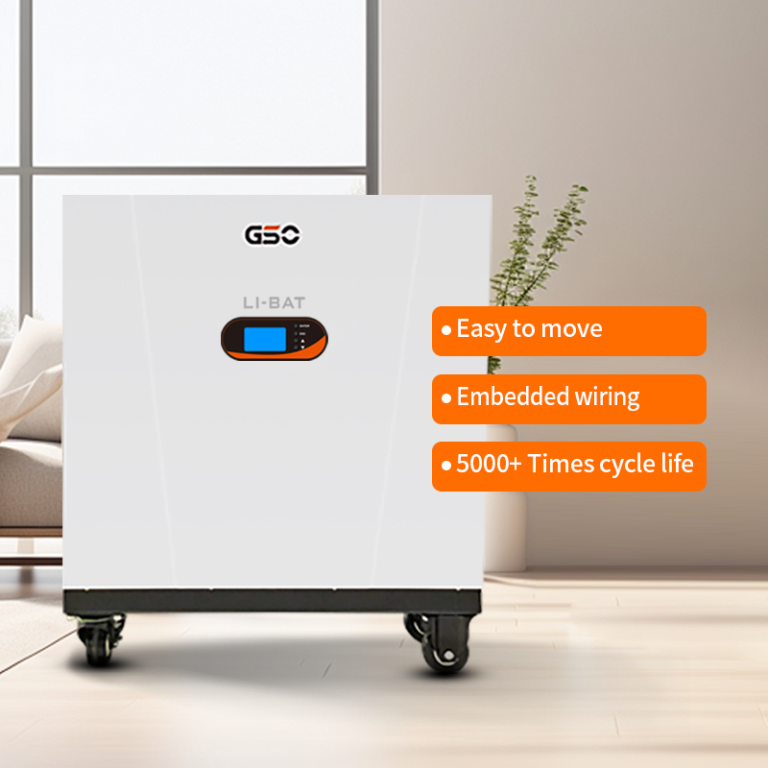
Capacity fade chews into savings and reliability, especially for bulk outdoor setups that sit through heat, rain and regular cycling. Grid events like California’s public safety power shutoffs have shown how critical reliable storage is during long outages. For many homeowners and small sites, a full setup with whole house battery backup is now the sensible choice — but only if the batteries keep a strong state of health (SOH) over years.
What’s actually causing the fade?
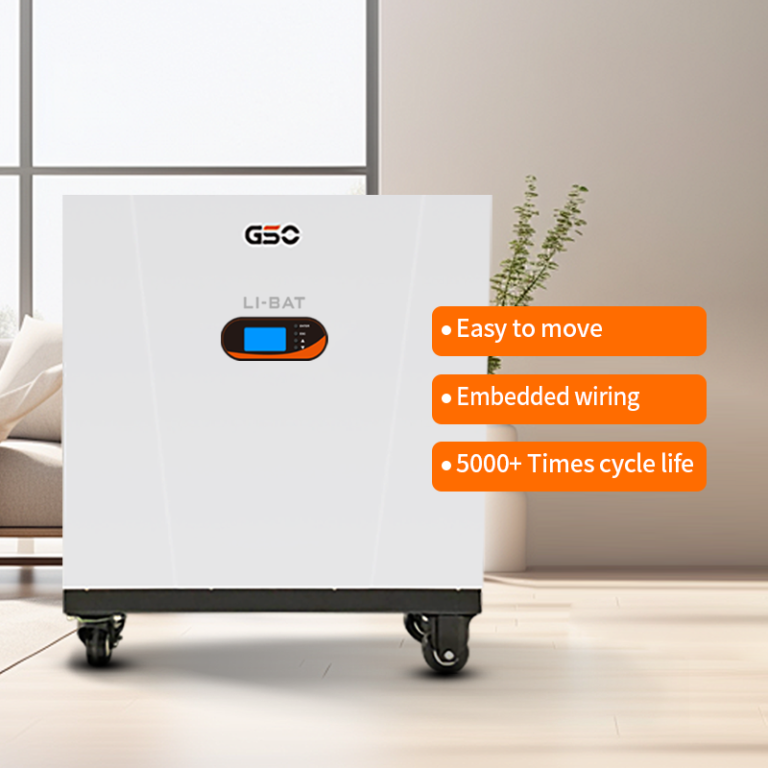
Batteries lose usable capacity for three main reasons: repeated cycles, high depth of discharge (DoD), and thermal stress. Cycle life is a hard limit set by chemistry, but operational choices make a big difference. Poor thermal management speeds up degradation. Excessively deep discharge routines also stress cells faster. A shabby battery management system (BMS) allows imbalance and weak cells to drag the whole pack down — that’s where early failures creep in.
How gsopower’s approach tackles the problem
gsopower focuses on three layers: chemistry, pack engineering, and smart controls. Choosing LiFePO4 chemistry gives a strong baseline cycle life and thermal tolerance. Pack engineering — cell matching, robust enclosures and moisture seals — stops environmental stress. Smart BMS algorithms manage balancing, charge limits and adaptive depth-of-discharge profiles, so SOH declines slowly rather than plummeting. Field results from mixed-climate deployments show units keeping above 80% SOH well past several hundred cycles — good as.
Design choices that change SOH in the field
Practical choices matter more than grand specs. Proper ventilation and heat sinks reduce hotspots. Conservative charge voltages and dynamic DoD limits reduce wear. Firmware that shifts charging to cooler night hours eases thermal strain. And built-in diagnostics let installers spot cell drift early. These are simple moves, but they compound — small gains in each area mean a much slower capacity fade overall.
Common mistakes and realistic alternatives
Installers often push systems to higher usable capacity to shave costs. That saves upfront money but accelerates degradation. Likewise, using generic BMS units and cheap enclosures invites early problems. Alternatives include modular systems with replaceable wheel-type LiFePO4 modules for easy servicing, or hybrid designs that offload cycling to a secondary buffer to protect the main bank. Each trade-off leans towards longevity or short-term cost — choose depending on outage risk and lifecycle expectations.
Operational practices and maintenance — the day-to-day wins
Good maintenance keeps SOH higher for longer. Regular firmware updates, periodic cell balancing checks and keeping firmware logs make a difference. Remote monitoring catches gradual SOH decline before it becomes a field failure. Routine inspections after extreme weather are worth the few minutes — you’ll catch moisture ingress or terminal corrosion early. These practices aren’t fancy; they’re the hard yakka that stops surprises.
Real-world anchor and what installers are seeing
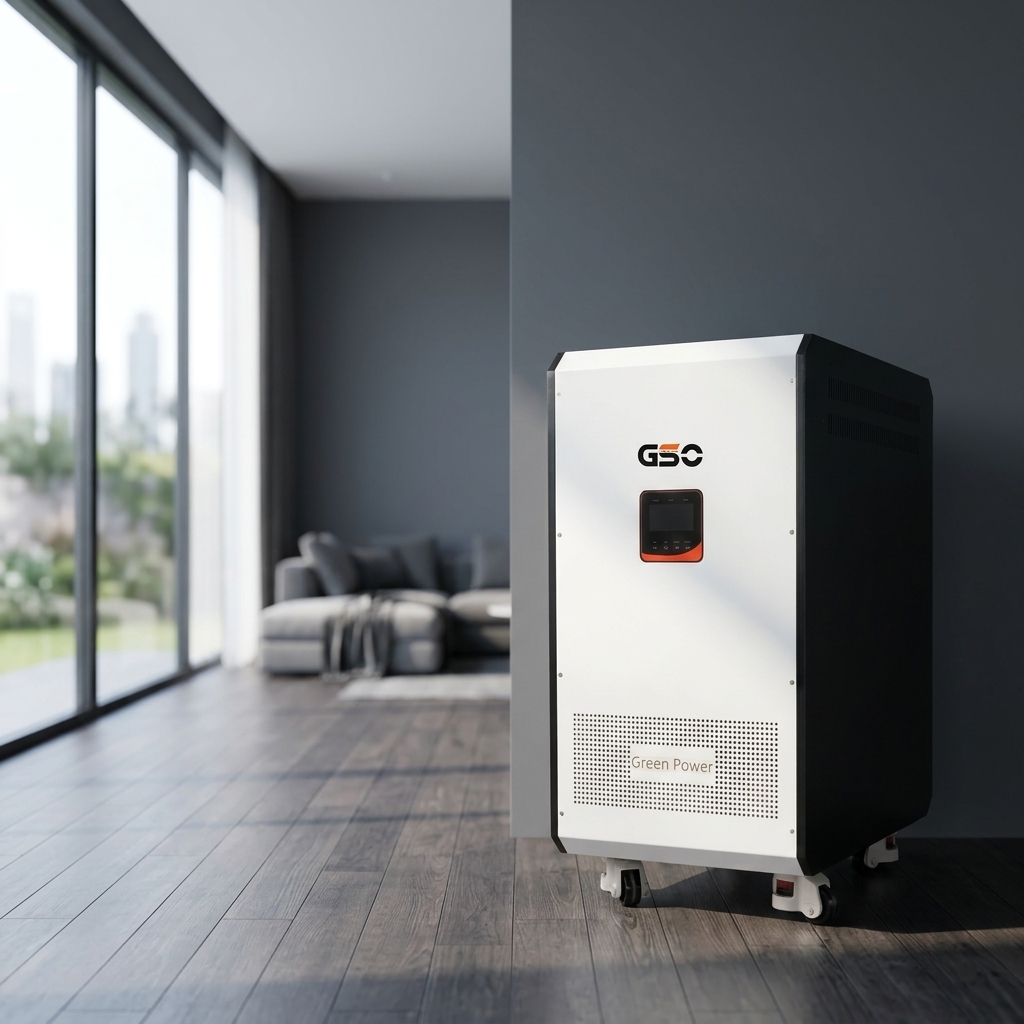
Where wildfire-driven shutoffs hit California and extended storms hit coastal regions, systems that combined LiFePO4 chemistry with conservative DoD and proactive thermal management held up far better than budget builds. Industry installers report that the difference between a maintenance-friendly design and a cheap sealed pack is often measured in years of useful life — not months. That practical experience is as good as data for buyers sizing systems.
Advisory: three golden rules for choosing and running bulk outdoor batteries
1) Prioritise SOH-friendly chemistry and certified cycle life over headline capacity numbers. Cycle life and thermal tolerance are worth the extra coin. 2) Specify a BMS with adaptive DoD controls, cell-level balancing and remote monitoring. These features actively slow capacity fade. 3) Demand pack-level engineering for outdoor use: IP-rated enclosures, ventilation or heat sinking, and modular replaceability — serviceability matters for long-term SOH.
Stick to those three rules and you’ll avoid the common traps installers and home-owners regret. gsopower builds with those principles at the core — so, when reliability matters, their systems make sense. —