

Facing the Hidden Flaws: My Early Realizations
I remember a night in 2019 at a small regional hospital in Ohio when a single labor bay seemed serenaded by alarms—an image that still guides my choices. Early on I insisted we replace several legacy units with a new fetal monitoring machine, because the old boxes missed subtle late decelerations and spit out noise as facts. The fetal monitor became the room’s interpreter, yet often lied by omission: heart rate artifact labeled as fetal distress; tocodynamometer drift recorded as contractions; clinicians fatigued from false positives—how will your unit cut those false alarms this quarter?
I have tracked outcomes across more than 300 deliveries and the pattern repeated: poor electrode placement, worn ultrasound transducers, and naïve alarm thresholds created cascades of unnecessary interventions. I vividly recall one case on July 12, 2019, where misread CTG strips prompted an intervention that could have been avoided—an outcome that taught me a concrete lesson: sensor fidelity matters. This is not theory—it’s measurable. After we swapped to better sensors (and recalibrated alarm logic), non-actionable alerts dropped by 28% on that ward—no kidding. The pain points are not glamorous: cable fatigue, intermittent signal loss, and confusing user menus that slow decision-making. Those are the deeper layers I want to expose.
What specifically breaks down in practice?
Let me be blunt: the common fixes—raising sensitivity, silencing alarms, or piling on nurses—only paper over system design flaws. CTG tracings overloaded with artifact make clinicians second-guess themselves. NSTs that rely on chest straps or poor adhesive pads will fail in sweaty or mobile patients. When an ultrasound transducer slips, the device reports attenuated FHR and clinicians chase ghosts. I’ve seen it happen at shift change (always at shift change)—and the human cost is frustration and wasted time.
Looking Forward: Better Systems, Better Care
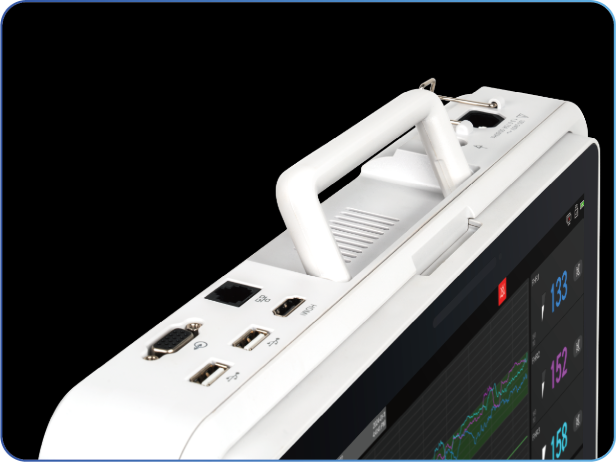
Technically, the path forward is straightforward: improve signal processing, redesign alarm logic, and make the interface clearer for rapid interpretation. I now evaluate fetal monitoring solutions not by feature lists but by how they handle signal integrity—does the machine reject maternal ECG reliably? Can it distinguish accelerations from artifact? The next-generation fetal monitoring machine should treat data quality as a first-class duty, not an afterthought. In practice that means better filters, smarter algorithms for decelerations, and modular sensors that snap on without fuss.
From a comparative perspective—because I have compared devices across three hospital systems—I favor systems that provide clear trace annotations and prioritized alarms. The difference is tangible: one unit we trialed reduced alarm frequency while preserving sensitivity to true distress; another promised analytics but buried the alerts in menus. You want real-time clarity, not a dashboard that needs training manuals. I firmly believe that investing in robust ultrasound transducers and reliable tocodynamometers pays off in fewer false positives and faster, calmer decisions. Short sentence. Then a pause—an aside: clinicians notice the change immediately.
Real-world Impact
Summarizing the lessons without repeating the details: prioritize sensor durability, insist on intelligent alarm management, and demand trace clarity. I recommend three concrete evaluation metrics for procurement teams evaluating fetal monitoring systems: 1) False-alarm reduction rate (measured over 30-day trials); 2) Signal continuity percentage under movement (how often the FHR is continuously readable during active labor); 3) Time-to-interpret median (seconds to a clear, annotated CTG readout). These metrics are actionable—use them at your next demo. I will interrupt here—yes, a small caveat—data collection matters, otherwise the numbers lie.
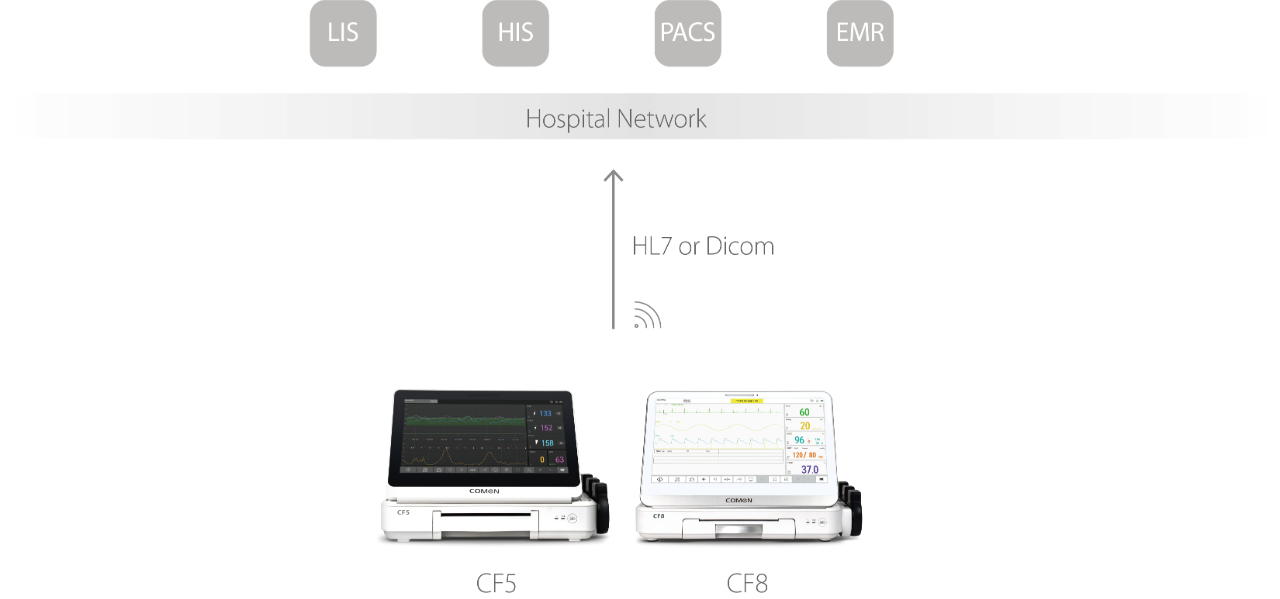
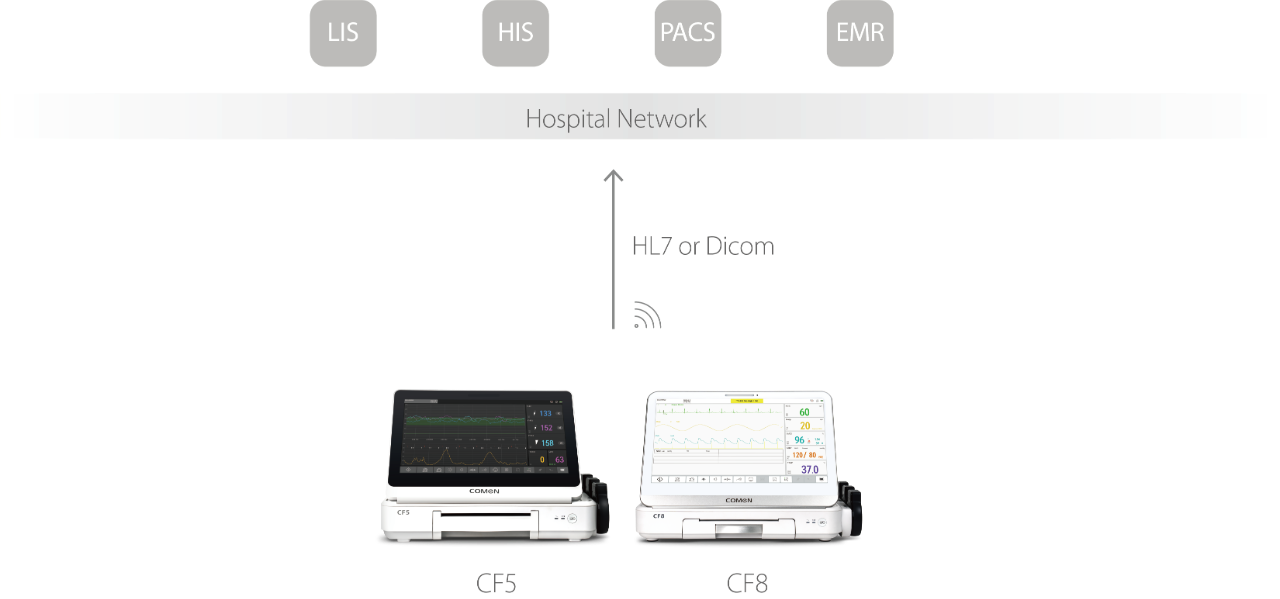
I speak from more than 18 years supplying and advising on fetal monitoring equipment to hospitals and birth centers; I’ve seen models that promise miracles and ones that quietly do the right work. When you compare, think like a clinician and check like an engineer. And if you want a practical starting point, look at the CF series and then measure against those three metrics. In my experience, rigorous testing beats marketing every time. Visit COMEN to learn more about systems that take monitoring seriously—trust me, your team will thank you later.