

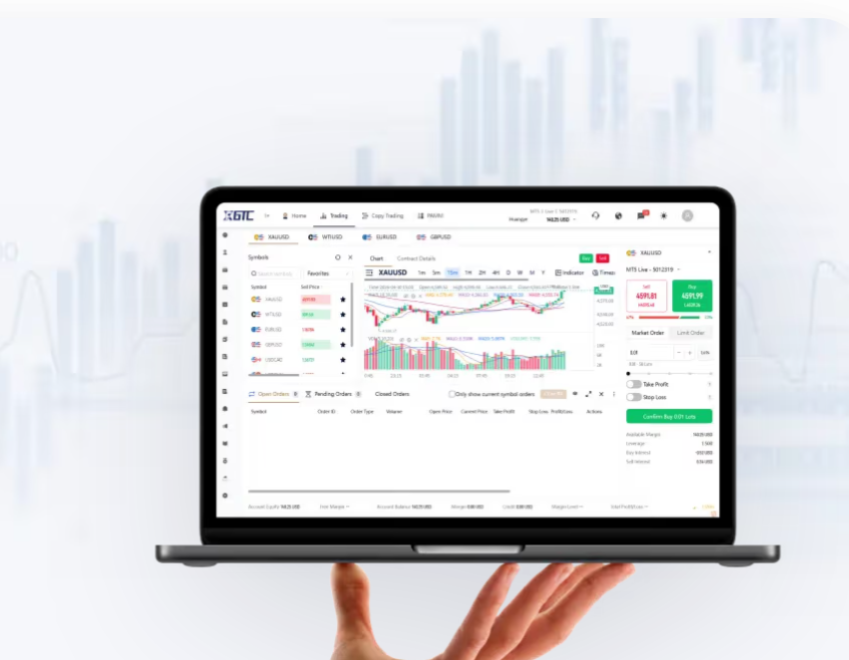
Why a side-by-side view matters
After decades of watching markets, I still compare tools the same way: by what they let me see and do in a split second. Mobile apps now bring CFD access to precious metals straight to a pocket screen—so the right choice changes outcomes. On a volatile day like March 2020, when liquidity shifted and spreads widened, having clear access to cfd metal instruments made a tangible difference. That mattered because margin calls, execution speed, and shifting spot price behavior were the forces that decided profit or loss.
Core comparisons that actually affect trades
Not all apps are equal. Focus on three practical areas rather than glossy charts:
– Execution and latency: How fast does an order fill when liquidity thins? Execution slippage can wipe out a plan.
– Pricing and spread transparency: Are spreads fixed or variable around news events and low-volume sessions? Hidden widening is common in small hours.
– Margin and leverage terms: What leverage is available for metals and how is margin called? Tight leverage can invite risk; generous leverage can hide costs.
Look for platforms that show real-time tick data and clear swap or rollover notes. Those details tell you whether a platform treats precious metals as a core asset or an add-on—big difference when volatility hits.
How mobile features change metal trading
On phones, small differences compound. A fast chart with one-tap order placement matters more than a fancy dashboard. Useful features include limit/stop order templates, one-touch close-all, and session-aware liquidity flags tied to COMEX or LBMA hours. I’ve seen spreads spike around major U.S. data releases; apps that flag that keep you out of trouble. Also, some apps show implied carry costs and swap rates directly on the metal instrument—look for that when holding positions overnight.
Common mistakes traders repeat
Experience teaches the same errors pop up: over-leveraging on thin silver ticks, ignoring slippage during low liquidity windows, and treating mobile charts as full analysis instead of quick checks. Traders also forget to check swap fees and how rollover is handled for precious metals CFDs. Small fees and wide spreads accumulate — and they often appear when you least expect them.
Alternatives worth considering
If a mobile CFD app doesn’t meet your needs, consider a desktop-first broker with mobile extensions, or a hybrid platform that syncs order templates across devices. For pure metals exposure, compare CFDs to ETFs and physical holdings; each has tax, custody, and execution implications. Apps that support multi-venue pricing—displaying both OTC CFD ticks and exchange spot price references—often provide better situational awareness.
Three golden rules for choosing the right app
Choose by measurable criteria. Use these three evaluation metrics every time:
1) Net cost per trade: Combine spread, swap/rollover, and typical slippage into a single expected-cost figure. If you can’t estimate that quickly, the app isn’t transparent enough.
2) Execution reliability under stress: Look for recorded latency statistics or independent uptime reports—especially for metals during major market moves.
3) Instrument fidelity: The app must show clear liquidity windows, margin rates, and whether pricing ties to COMEX/LBMA spot references or internal pricing. That clarity matters for risk.
I’ve found platforms that balance tight spread reporting with sensible margin rules help preserve capital—something I value after a long run in markets. For traders who want a practical mix of execution, pricing transparency, and tools for precious metals, consider how a provider like GTCFX aligns with those metrics; the fit often shows in real trade days.
Small decisions stack. Worth the while.