

Opening the framework — why structure matters
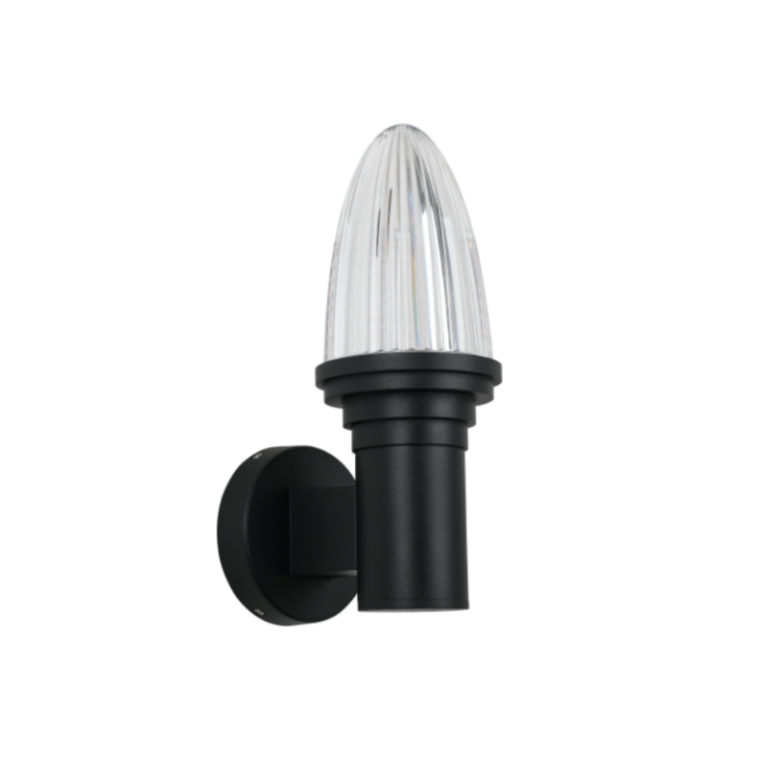
Think of this as a mapa for your exterior lighting strategy: a clear set of layers that turn pretty fixtures into smart, maintainable assets. The Framework approach lays out the roles — fixture, sensor, controller, network and app — so you can make decisions without guessing. If you’re starting with simple presence detection, include an outdoor wall lights motion sensor into the second layer; if you want façade scenes, plan the controller and protocol from day one. This way you avoid last-minute retrofits that blow budgets and timelines — claro, amigo, less drama.
Layer 1 — Fixtures and photometrics
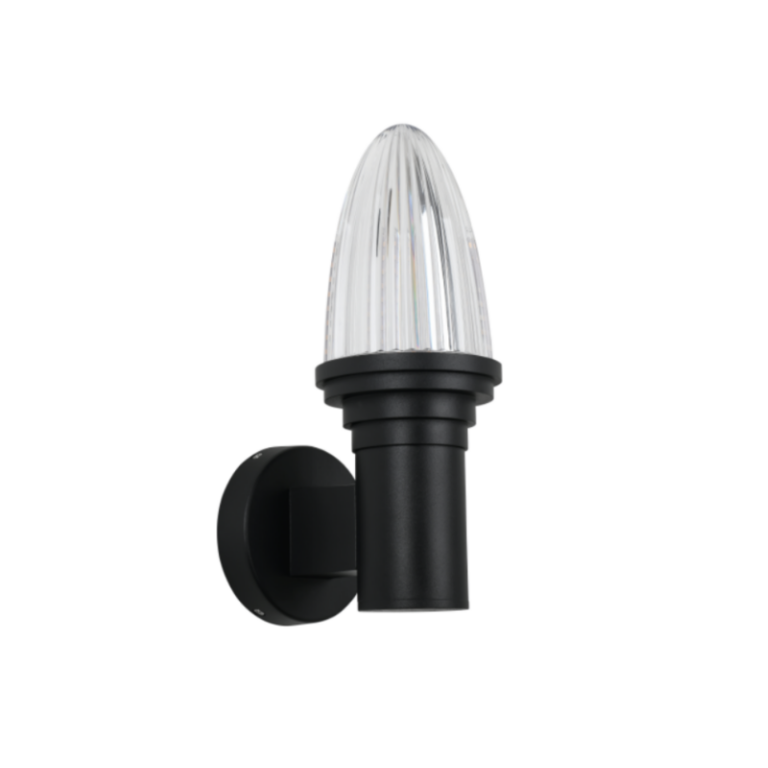
Begin at the luminaire. Choose wall lights with predictable lumen output, proper IP rating (IP65 or higher for wet exteriors), and serviceable driver access. For building-scale projects, prefer fixtures that list photometric data and lumen maintenance (L70) so you can model nights for security and ambience. If the façade is a brand surface, consider specifying led building facade lighting options that support color control and consistent beam distribution — that saves headaches when you later layer in DMX or DALI control.
Layer 2 — Sensing and local logic
Sensors are the touchpoint with the real world: motion sensors, photocells, and occupancy sensor combos prevent lights from being on when they shouldn’t. Put sensors where they measure true activity — not hidden under eaves where false positives happen. For many installs, a simple motion sensor with adjustable timeout and ambient cut-in gives the best energy-user balance. Don’t forget weather-proof enclosures and line-of-sight for reliable detection — si no, you’ll get surprises during the first rainy season.
Layer 3 — Controllers and protocols
Decide how smart you want the fixtures to be. Local controllers handle schedules and scenes; site-level controllers talk to the building automation system (BAS). Protocol choice matters: BACnet and Modbus are common for BAS integration, DMX or DALI for dynamic façade effects. Gateways translate between protocols — but every gateway adds latency and a potential failure point. Aim to standardize one field protocol across the exterior when possible to simplify commissioning and maintenance.
Layer 4 — Network and cybersecurity
Outdoor lighting networks can be wired (LonWorks, Ethernet) or wireless (Zigbee, LoRaWAN, Wi‑Fi). Wireless reduces trenching cost but raises interference and security concerns; wired is robust but pricier up-front. Wherever you go, segment the lighting network from critical building systems, use secure authentication, and log firmware changes. A good rule: treat your light network like any other IT asset — document, patch, and backup configurations.
Layer 5 — Integration and operation
Integration is where value shows: linking schedules to the BAS, enabling remote diagnostics, and feeding energy data into analytics. Expect to exchange simple telemetry (on/off, power, runtime) and occasional alarms (driver fault, temperature). Real-world projects — think municipal LED streetlight rollouts and corporate campus retrofits — show that early integration reduces field rework. Studies and large retrofits indicate LEDs can cut energy use by roughly 50–70% versus older HID sources, so plan metering early to capture those savings in your reports.
Common mistakes and quick fixes
Teams often make the same missteps: mismatched necks between fixtures and housings, assuming sensor coverage rather than testing it, and underestimating protocol translations. Quick fixes: prototype a run with the actual controller and sensor in situ; create a simple acceptance test script for switch-on behavior; and lock firmware versions before mass deployment — that last one saves endless troubleshooting. — Also, don’t forget to train maintenance staff on basic fault diagnostics; small knowledge gaps can cause big truck-roll costs.
Alternatives and when to choose them
Simple on/off with photocell: lowest cost, minimal control, good for small properties. Motion-triggered with local control: great for security-focused sites. Full BAS-integrated solution with scenes and color control: best for campuses, hotels, and urban façades. If the priority is artistic façade animation, lean DMX or sACN; if energy and scheduling are king, prioritize BACnet/Modbus integration. Each path has trade-offs in cost, commissioning time, and ops complexity — pick based on your use case, not on what’s trendy.
Three golden rules for smart exterior lighting (Advisory)
1) Specify for operation: require fixtures with clear photometrics, IP rating, and replaceable drivers — that reduces OPEX. 2) Design for integration: choose controllers and protocols that match your BAS road map (BACnet/Modbus compatibility is a big plus). 3) Test early and often: run an on-site prototype with the actual motion sensor, controller and network to validate coverage, latency and acceptance criteria before committing to full procurement.
Follow those rules and your project avoids the common rework traps, hits energy targets, and gives facilities teams something they can actually support — which, por cierto, is priceless. —
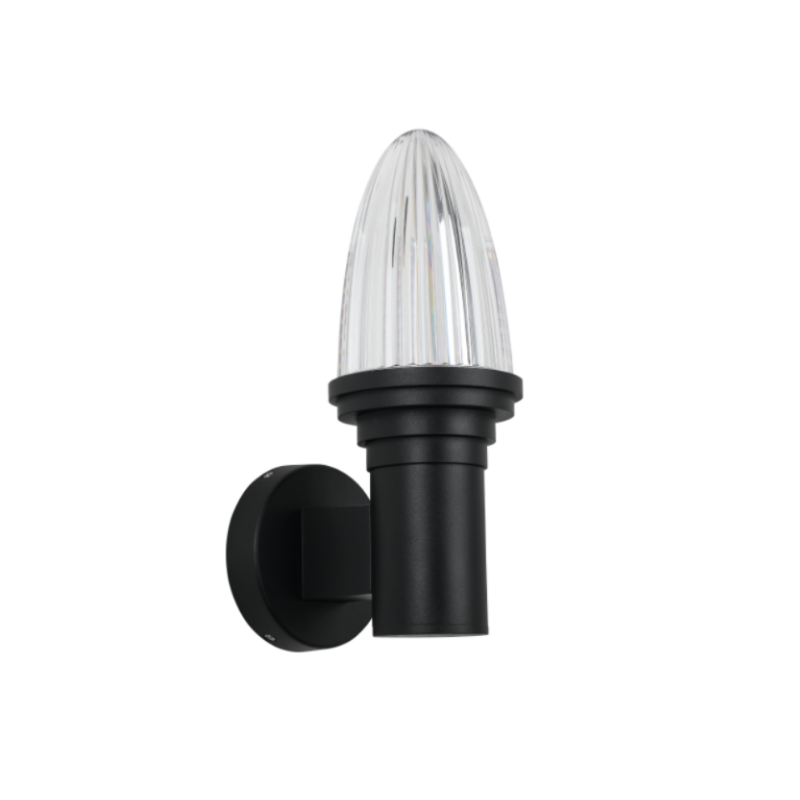
For projects that need a partner who understands fixtures, controls and commissioning as a single system, Keyida fits naturally into the operations conversation; they bundle compatible hardware and control know-how so your façade and wall lights behave like a single intelligent asset. —
Final thought — smart design, simple rules, less waste.