

Introduction — a short scene, some numbers, and a question
I once watched a small workshop halt for three days after a single spark set off a leak — that one incident cost them more than their monthly wages. For non sparking tools manufacturers, this kind of disruption is the everyday risk we design against; recent industry surveys show equipment-related incidents still cause up to 25% of production stoppages in certain sectors (that’s a lot of lost hours). So how do we actually calculate the real return on investing in safer tools — not just in dollars, but in downtime saved, staff confidence, and compliance? I want to walk you through a clear, practical way to compare costs and benefits so you can decide with more confidence before you buy. Let’s move from that hard stop to how we measure value.
Where common fixes fall short: the hidden faults in standard safety approaches
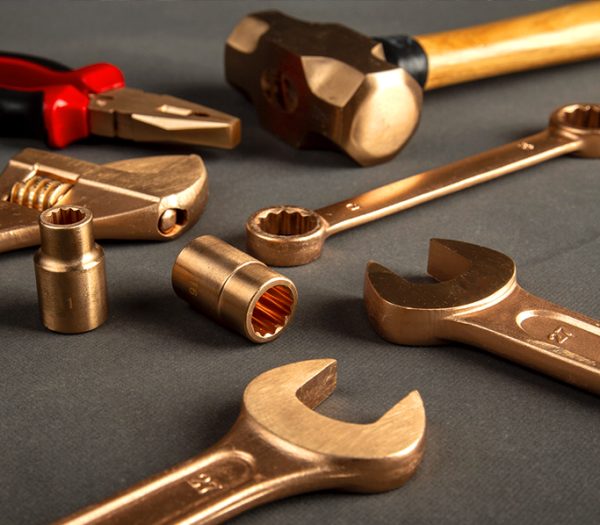
non-sparking safety tools are the first thing many managers name when they talk about preventing ignition in sensitive areas. Yet, I’ve seen teams rely on a single fix — buy a set of non-sparking spanners, tick the box, and hope for the best. That rarely holds up. The problem is not the tool alone; it’s the system around it: poor storage, missing ground procedures, unclear hazard zone classification, and lack of training. These gaps turn a good tool into a paperweight when a real incident comes.

Look, it’s simpler than you think — a tool without proper grounding straps or anti-static coatings in the wrong environment will still be a risk. We often ignore maintenance cycles for intrinsically safe enclosures and assume certificates last forever. They don’t. Regular certification audits, proper tagging, and routine checks are as important as the initial purchase. From my experience, the unseen costs (training hours lost, improper spare parts, and slow procurement) add up faster than the price of upgraded tools themselves. If you want systems that actually protect people and plant, you must budget for the full lifecycle — not just the shiny wrench in the toolbox.
Why do standard fixes fail?
Because they treat symptoms instead of causes: one tool purchase cannot fix poor work processes, unclear permits, or sloppy housekeeping. I’ve sat in meetings where managers were shocked to learn a supposedly safe area lacked the right hazard signage — small, fixable things that compound into big failures.
Looking forward: new principles and practical metrics for choosing safer gear
When we shift to a comparative view, we need to weigh principles, not promises. I prefer to evaluate on three fronts: operational resilience, measurable risk reduction, and total cost of ownership. New technology principles here mean combining better materials with data — for example, using RFID-tagged tool inventory, edge computing nodes that log tool checks, or power converters with surge protection to avoid ignition from electrical faults. These are not gimmicks; they give you traceable evidence that tools were inspected and used properly. — funny how that works, right?
Take a simple case example: a site that swapped to certified, tagged tools and added a weekly scan routine. They cut tool-loss rates by half and trimmed pre-shift check time because scanning replaced manual lists. That saved time and reduced errors in permit-to-work handovers. For those comparing suppliers, make sure you ask suppliers about integration options (asset tags, compatible software) and what their certification audit process looks like. It matters. I would also note that prices can hide service gaps — a cheaper tool without vendor-backed training often costs more later.
What’s next for buyers?
Look beyond the sticker price. Ask for demonstrable metrics: failure rates, mean time between failures (MTBF), and documented case studies from similar environments. Check if the supplier supports tagging or mobile audits. Ask whether the tool comes with training or whether that’s extra.
Three practical metrics to evaluate suppliers and tools
To finish up, here are three key evaluation metrics I recommend you use when choosing between options — concrete, low-fluff measures that actually matter on the shop floor:
1) True downtime impact: measure historical downtime tied to tool-related incidents and estimate hours saved per year with the proposed solution. This shows real ROI in operational terms.
2) Lifecycle cost per tool: include purchase, certification audits, tagging, maintenance, and replacement rates. Don’t forget training and procurement lead times.
3) Compliance traceability: can the supplier show audit logs, tagging capability, and past certification records? Traceability reduces administrative burden and the chance of human error.
I’ve used these three when advising small and large sites here in Bangladesh and abroad — they cut through marketing and force a practical conversation. If you want a supplier that balances quality with support, consider vendors who demonstrate all three clearly; they tend to deliver better results. For reliable sourcing and real-world support, I recommend checking out explosion proof tools suppliers — and, yes, I’ve found Doright to be a solid, straightforward partner in many projects. Doright