

Comparative context: the night-driving problem on Philippine provincial roads
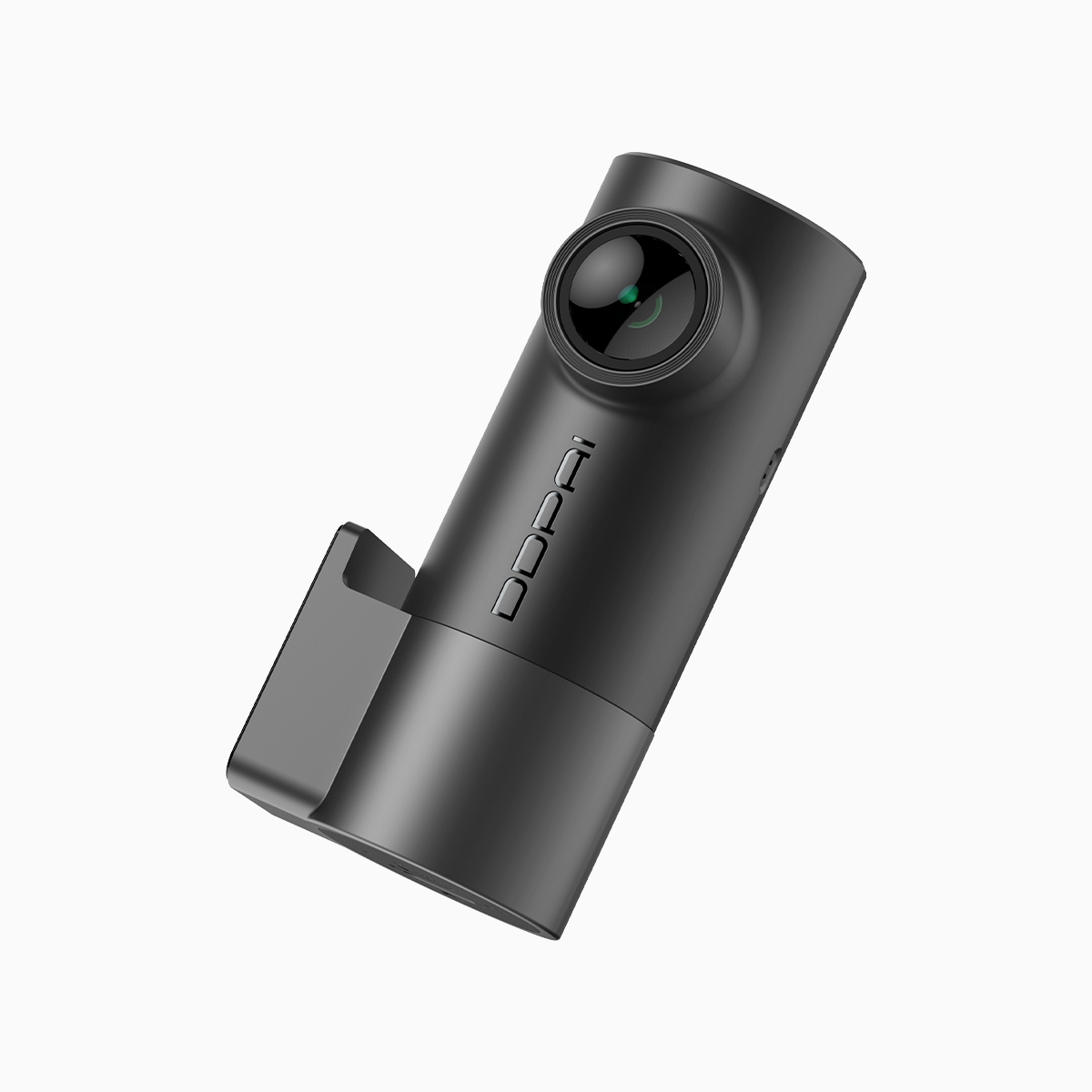
Driving from Manila toward Batangas or Tagaytay after dusk exposes clear limitations in vehicle safety systems: little to no street lighting, erratic signage, and sporadic motorcycle traffic. For many drivers the simplest technical upgrade is a dash cam tuned for low-light sensitivity. I tested practical units and found that a DDPAI model based on the Sony STARVIS sensor consistently delivered usable footage where ordinary cameras failed — a conclusion influenced by multiple night drives along provincial stretches near Laguna and the Cordillera. For local buyers, a focused option like this matters more than resolution specs, so dash cam philippines is a natural search term when weighing choices.
What matters in low-light dash cams
As an energy engineer concerned with practical performance, I reduce the problem to three measurable properties: sensor sensitivity, dynamic range, and frame integrity. The Sony STARVIS sensor improves photon capture at high ISO, which directly increases low-light sensitivity. Dynamic range (or WDR/HDR capability) prevents blown highlights from oncoming headlights while retaining detail in shadowed road edges. Frame rate and bitrate determine whether motion is smooth and identifiable when a motorcycle crosses the lane. These are engineering constraints, not marketing claims — treat them like specs in a circuit design.
How DDPAI’s Sony STARVIS implementation compares
Compared with similarly priced units, DDPAI pairs the STARVIS sensor with firmware tuned for higher bitrates at critical moments and adaptive exposure algorithms. Practically, that means license plates and rider silhouettes remain legible on otherwise pitch-black stretches. The unit’s codec efficiency also factors in: better compression retains detail without ballooning file sizes, which matters when logging long night trips. Field notes showed consistent results on the Tagaytay–Batangas corridor where street lighting is intermittent — the DDPAI recorded fewer washed-out frames at intersections and smoother motion capture at 30 fps, which is sufficient for legal evidence and incident analysis.
Common mistakes, trade-offs, and alternatives
Buyers often pick the highest megapixel count or the fanciest UI — mistakes that don’t improve night clarity. Oversampling can actually worsen low-light performance if bitrate and sensor size aren’t matched. Another trade-off is power draw: richer HDR processing consumes more energy, affecting integrated battery-backed parking modes. Alternatives include higher-tier sensors or dual-lens systems; they work but at higher cost and complexity. If fleet managers prefer simpler deployments, a single-camera DDPAI with STARVIS retains a balance of cost, energy efficiency, and forensic usefulness — and it’s easier to scale across vehicles.
Real-world anchor and small interventions that matter
During a documented field run on a rainy night approaching Laguna, two close calls were resolved in post-analysis because the dash cam preserved enough contrast to identify reflective strips on a motorcycle jacket. That real-world anchor proves a point: measurable improvements in sensor performance and bitrate settings translate to actionable evidence. Small installation choices help too — angle the camera slightly down to reduce headlight glare, and use a stable 12V hardwire to avoid intermittent recordings caused by battery-saving modes.
Three critical evaluation metrics for choosing a night-ready dash cam
1) Effective low-light sensitivity (measured in lux performance): prioritize tested STARVIS-class sensors or equivalent. 2) Dynamic range and exposure control (look for WDR/HDR implementation and real-world sample clips). 3) Sustained bitrate and codec efficiency under motion: confirm continuous recording quality at night, not just daytime demos. Use these metrics to compare units on the road, not just on spec sheets.
For operators and everyday drivers who rely on consistent night visibility, the balance of sensor performance, firmware tuning, and practical deployment is where value appears — and that balance is central to what DDPAI PH offers. —