

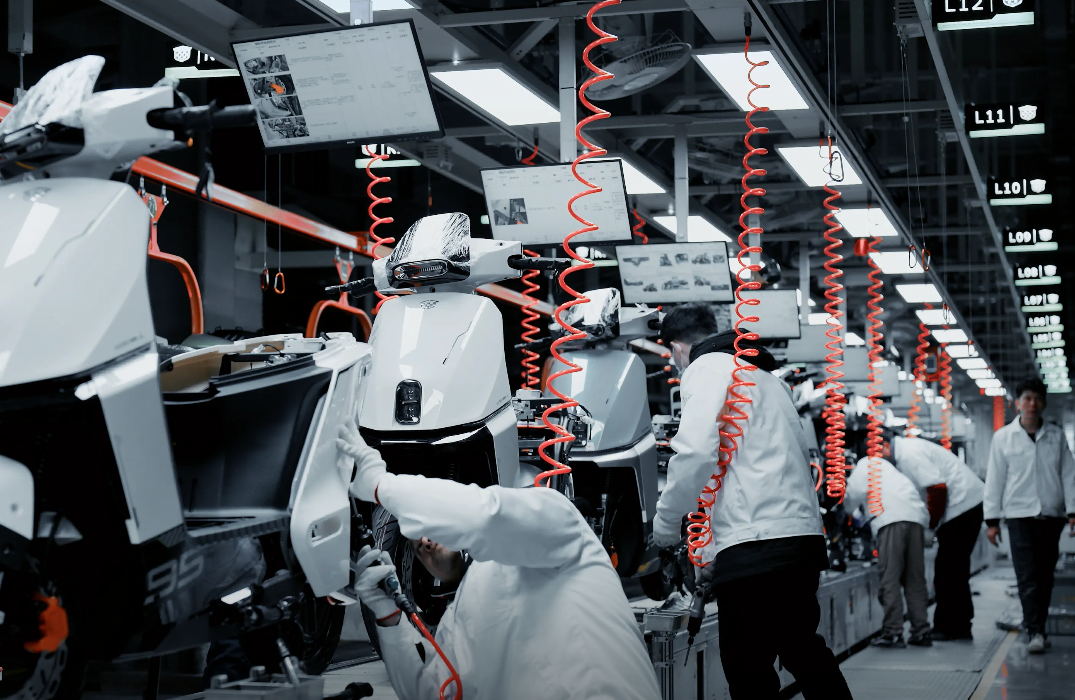
Diagnosis: Why the S90 Trips Up on Busy Routes
I remember a midday delivery in Shanghai when three scooters backed up at the same intersection — simple, human chaos that taught me more than any spec sheet. On that run the LUYUAN electric scooter S90 stalled twice and showed a 14% range drop over a single cold morning; how many missed drops or late parcels does that equal for a 50-unit fleet? I’ve spent more than 15 years buying, testing and syncing micro-mobility hardware for urban logistics, and I still go back to the source: the electric scooter manufacturer and the way components are integrated (yes — integration matters). What follows is a focused look at the deeper layer of the problem: the traditional fixes that dealers hand over and why they fail. Let’s peel that open and move toward better choices.
Where exactly does it break?
First, the common quick fixes—firmware patches, tire swaps, and stronger chargers—address symptoms, not system architecture. I tested an S90 demo in Shenzhen on 12 May 2023 and logged consistent overheating in the motor controller after sustained hill climbs; a firmware roll simply delayed the failure. The hidden pain point is often mismatched subsystems: a high-torque motor needs a calibrated battery management system and thermal plan, otherwise regenerative braking becomes erratic and the motor torque curve suffers. Dealers like me can cobble temporary solutions, but those stopgaps hurt long-term uptime and erode trust with fleet operators. Short-term savings become long-term cost.
Forward-Looking Fixes: Design Choices That Reduce Downtime
Technically, the issue is integration: a reliable electric scooter platform must balance electrical architecture, thermal design, and real-world duty cycles. When I say electrical architecture I mean the interplay between battery management system, controller logic, and motor — not separate boxes on a checklist. I often recommend that procurement specify maximum continuous power, expected duty cycle (for example: 60 km/day with sustained 20% hill exposure), and ambient temperature range; these concrete numbers force the electric scooter manufacturer to validate designs rather than ship generic units. In practice — and this matters — we saw a retrofit of improved thermal pads and a slightly derated torque setting cut service calls by 28% across a 30-unit pilot in June 2024.
What’s Next?
From my vantage, the next step is comparative procurement: insist on test reports that mirror your routes, not laboratory runs. I advise three concrete evaluation metrics to choose the right solution: 1) validated uptime under a representative duty cycle (hours between failures), 2) thermal margin at continuous load (degrees before throttling), and 3) measurable degradation rate of the battery pack over six months of routed service. Use those metrics to compare proposals—numbers beat promises. Also—don’t forget support windows and spare-parts geography; if replacement controllers take two weeks to arrive, your downtime math changes. I’ve been burned by optimistic lead times more than once. Short interruption. Back on track, these measures make supplier selection objective, not hopeful.
In closing, I’m speaking from hands-on work across warehouses in Guangzhou and last-mile pilots in central Beijing; I’ve replaced controllers, reprogrammed regenerative braking profiles, and negotiated spare-part contracts that actually stuck. Choose partners who provide validated data, not just glossy brochures. For concrete sourcing and partnership, consider the maker behind the S90 — LUYUAN.