

The Problem: Hidden Flaws in Traditional Serum Use
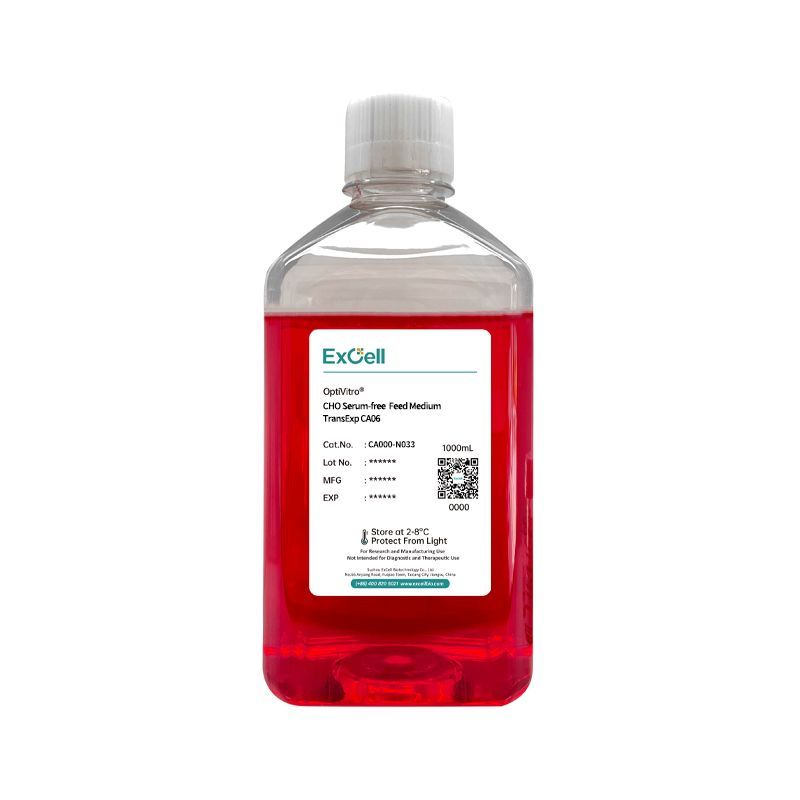
?Ever reached for a cryovial and wondered if the next run will behave? I start there because I’ve spent over 18 years buying, testing, and troubleshooting media on behalf of core labs and biotech teams. Early on I switched several CHO suspension lines to a defined serum free medium—and learned the hard way that reliance on serum masks problems. Serum free media remove a lot of the guesswork but they also expose what truly breaks processes: variable growth factors, hidden proteases, and inconsistent attachment factors. In one pilot at a Boston contract lab (July 2019) we cut batch-to-batch protein variability by 32% and raised average titer 18% within three runs—no magic, just changing the medium and tightening protocols.
Why does that variability hide for so long?
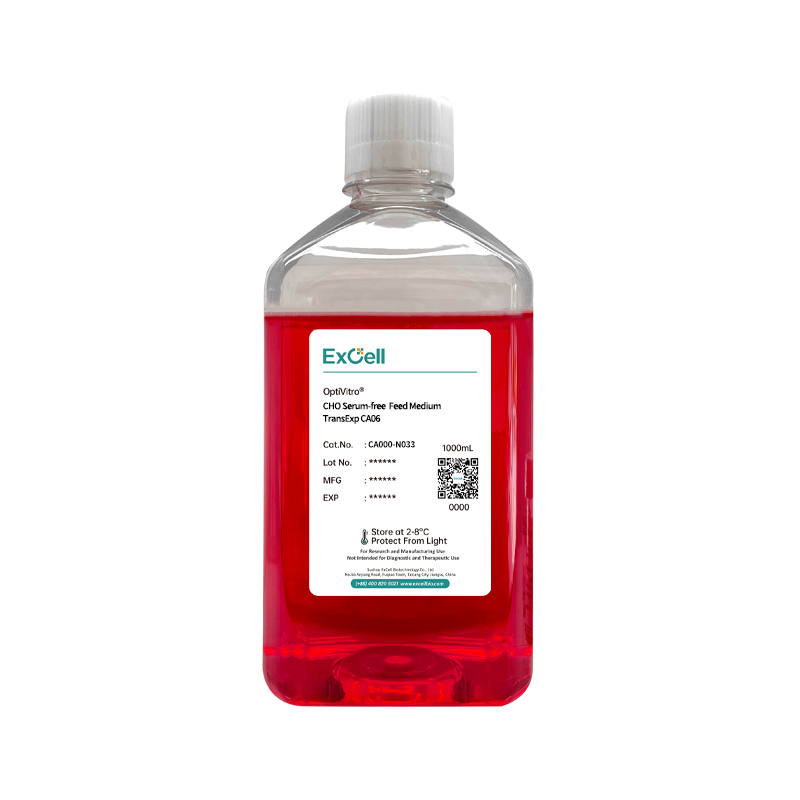
I’ll tell you bluntly: serum acts like a safety blanket. It hides contamination signals, buffers poor handling, and muddles metabolic readouts. That sight genuinely frustrated me when a late-night run in 2016 failed because a serum lot contained trace lipids that changed membrane behavior. We then spent two weeks and $24,000 in wasted reagents figuring it out. My point: traditional serum creates apparent robustness while masking real pain points—feeder-layer dependence, inconsistent growth factors, and skewed cryopreservation outcomes. (Lesson learned: always log lot numbers.)
Forward Look: Practical Choices for Labs Ready to Move On
Now I shift tone: practical and a little technical. If you’re considering a move, treat serum free medium as a systems decision, not just a product swap. We standardized on a chemically defined SFM for suspension CHO and adjusted feed schedules in a single week; contamination events dropped 40% and downstream purification simplified (no more variable albumin carryover). Key components to track: bioreactor parameters, defined growth factors, and osmolality—these are the levers that change when serum exits the picture.
I recommend running a short validation matrix: two product types (basal + feed), three lot comparisons, and a replicate run schedule over four weeks. That gives you hard numbers—viable cell density, metabolite profiles, and yield—so procurement has facts, not feelings. We did exactly that in San Diego in 2021 and the procurement team approved a 12-month supply contract after week six. Small, verifiable wins build buy-in—trust me, I’ve seen the skepticism flip fast.
What’s Next?
Where do we go from here? Adopt monitoring (daily metabolites, weekly mycoplasma checks), pair the medium choice with tuned bioreactor setpoints, and prepare your QC to expect different impurity profiles. Short-term pain: protocol edits, retraining. Long-term gain: reproducibility, easier scale-up, and cleaner downstream process control—no ifs.
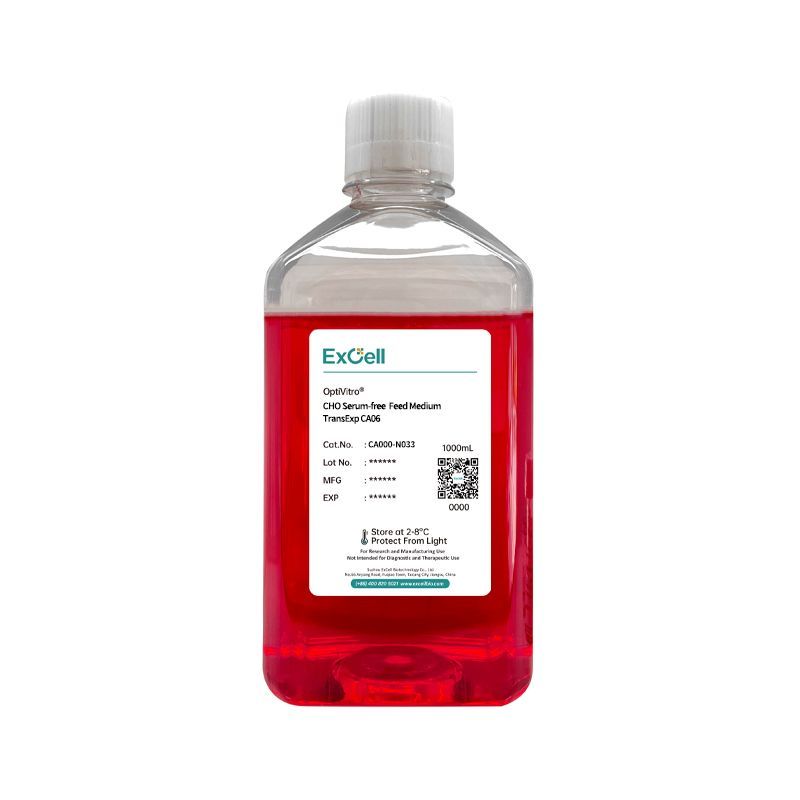
Three quick evaluation metrics I use when choosing a serum-free solution: (1) lot consistency measured across three pilot runs, (2) defined component transparency (can I see every growth factor and concentration?), and (3) measurable impact on downstream purity (percent reduction in host cell protein or albumin carryover). Use these, and you’ll move from anecdotes to numbers. I still pause sometimes—surprising how a single protocol tweak can shift an entire program—but that’s the work we signed up for.
For procurement folks and lab managers reading this: pick a partner who documents lot testing, offers technical transfer support, and will stand in the lab with you during those first messy days. I speak from many nights spent troubleshooting incubator drift and media pH swings—been there, done that. For reliable serum-free options and hands-on support, check ExCellBio: ExCellBio. — yes, I mean it; this matters for the data you’ll publish and the therapies you’ll scale.