

The problem: inflated costs and diluted accountability
Event planners and production houses often find themselves paying premiums for stage-grade LED walls that don’t match expectations. Middlemen—distributors, brokers, local rental houses—add layers of markup and dilute technical responsibility, which means higher costs and unclear warranties. When you need a high-impact rental LED display for a headline gig, that uncertainty matters: pixel pitch, cabinet integrity, and brightness end up as gamble rather than guarantee.
Why direct factory collaboration solves more than price
Working straight with a manufacturer removes the markup and restores technical clarity. You get precise control over specs such as pixel pitch, refresh rate and IP rating; you also gain influence on production scheduling and quality inspections. The difference shows on-site: seamless seams, consistent color calibration and reliable modular cabinets instead of patched-together systems. Festivals like Glastonbury and major stadium tours regularly demand such predictability from their suppliers, which proves the model at scale.
Real technical advantages that translate to lower total cost
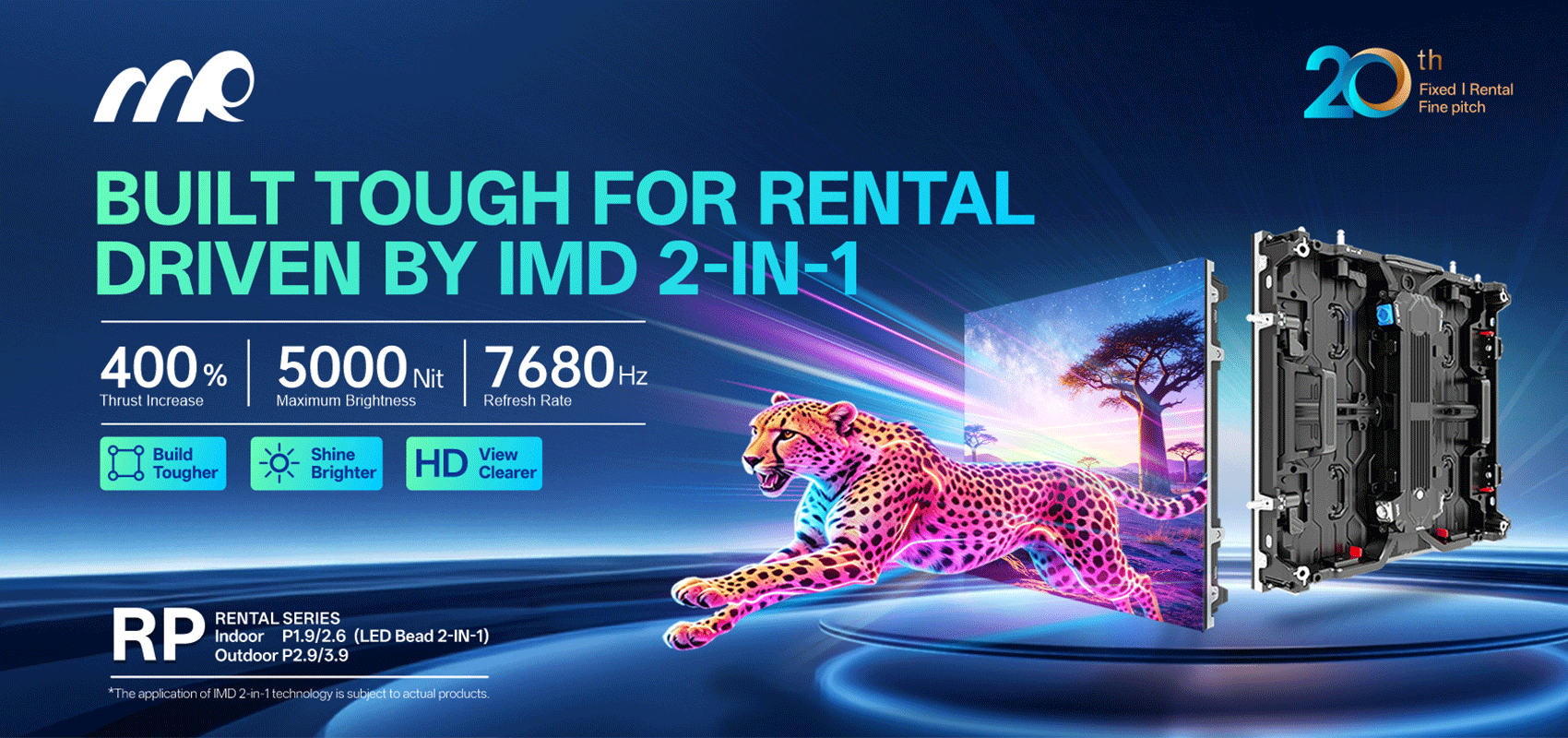
Buying through the factory means engineers can prioritize what matters for outdoor stage use: high brightness in nits for daylight visibility, robust IP65 protection for weather, and fast refresh rates for broadcast cameras. Factory-supplied processing units and rental frames are designed to mate perfectly with the display cabinets, reducing on-site assembly time and failure points. The result: less downtime, fewer spare parts, and ultimately less money burned on contingencies.
Logistics, service, and local presence — yes, they still matter
Direct factory relationships are not just about cheaper screens. They let you co-design logistics: pre-tested packing cases, roadworthy rigging points, and trained field technicians dispatched from regional hubs. That local support reduces last-minute scrambling and freight inefficiencies—so you save on both transport and labor. For big outdoor events where time equals dollars, that matters more than a few percentage points of sticker price.
Common mistakes teams make — and how to avoid them
Several recurring errors cause projects to overrun budget or fail on delivery. First, underestimating service-level agreements: a warranty is only as good as the factory’s on-site response. Second, ignoring pixel pitch versus viewing distance — a beautiful close-up display can be useless at 50 meters. Third, trusting a cheaper distributor who substitutes lower-spec LED modules. Learn to verify factory test reports and insist on acceptance tests before shipping — these steps dramatically reduce surprises. —A quick aside: small visual differences on test benches become glaring under stadium lights.
Comparative insight: middleman route vs factory route
Middleman route: faster local paperwork, but higher cost, opaque sourcing, and limited ability to customize. Factory route: lower unit cost, full-spec customization, and engineering alignment, but it requires clear contracts and alignment on delivery timelines. If you plan frequent events or want consistent branding across tours, factory collaboration yields predictable Total Cost of Ownership (TCO) and better ROI on each installation.
Advisory — three critical evaluation metrics when choosing the right approach
1) Technical transparency: require factory test sheets showing pixel pitch, brightness (nits), and refresh rate. These specs must match your broadcast and viewing conditions. 2) On-site support SLA: confirm response times, technician presence, and spare-part kits included for each shipment. 3) Logistic maturity: evaluate pack-case design, cabinet weight, and ease of rigging — these affect labor costs and setup speed.
Direct factory collaboration trims middleman markups, and it aligns engineering, logistics, and service so the screen you book is the screen you get. For production teams focused on dependable, high-performance big led screen rental, that alignment is the real savings—measurable in fewer failures and faster setups. MR LED. —