

Problem-driven: Why common quick-fixes collapse on real roofs
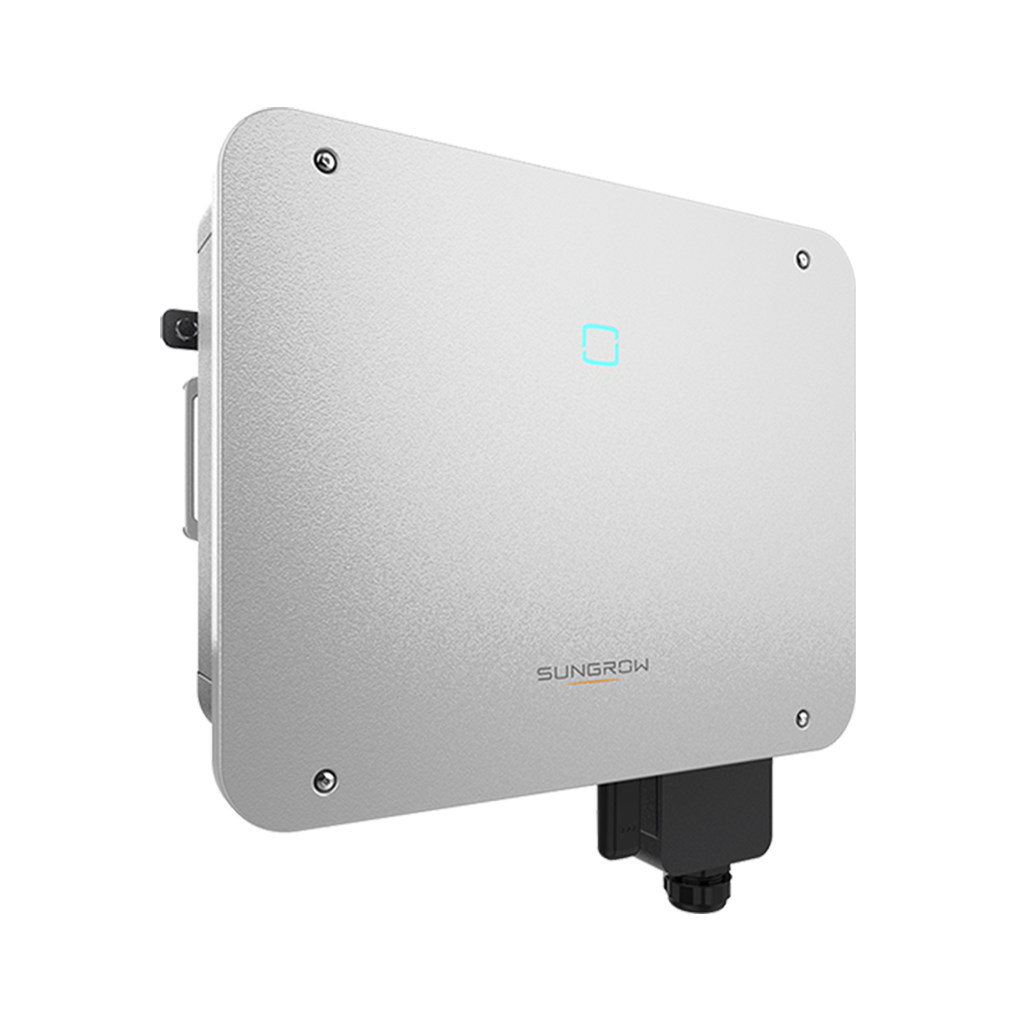
I was on a Kowloon rooftop one sticky afternoon in March 2023, watching clouds wipe out output; the crew swore the inverter would cope, but it didn’t — and that visit taught me a lot (lah). Early in that job I pointed the client to a sungrow string inverter, thinking monitoring would save the day. On that day the PV array fell 18% under heavy cloud cover — how many wholesale buyers still choose a string inverter without checking derating and ambient limits?
What fails most?
I’ve been in B2B supply chains for over 15 years, selling and specifying inverters for installers across Hong Kong and the Pearl River Delta. What I repeatedly see: spec-sheet selection (just looking at peak kW) ignores MPPT behaviour, temperature derating, and mismatch losses from mixed panels. For example, I sold a batch of SG models in June 2022 to a commercial client; by December they reported a 7% shortfall attributable to high rooftop temps and poor MPPT tracking on partial shading days. That kind of real-world loss hits margins — and the installer’s reputation — fast. Grid-tie rules and inverter efficiency numbers are important, yes, but the deeper pain is monitoring blind spots and firmware limits.
Direct: What I now recommend—practical, measurable checks
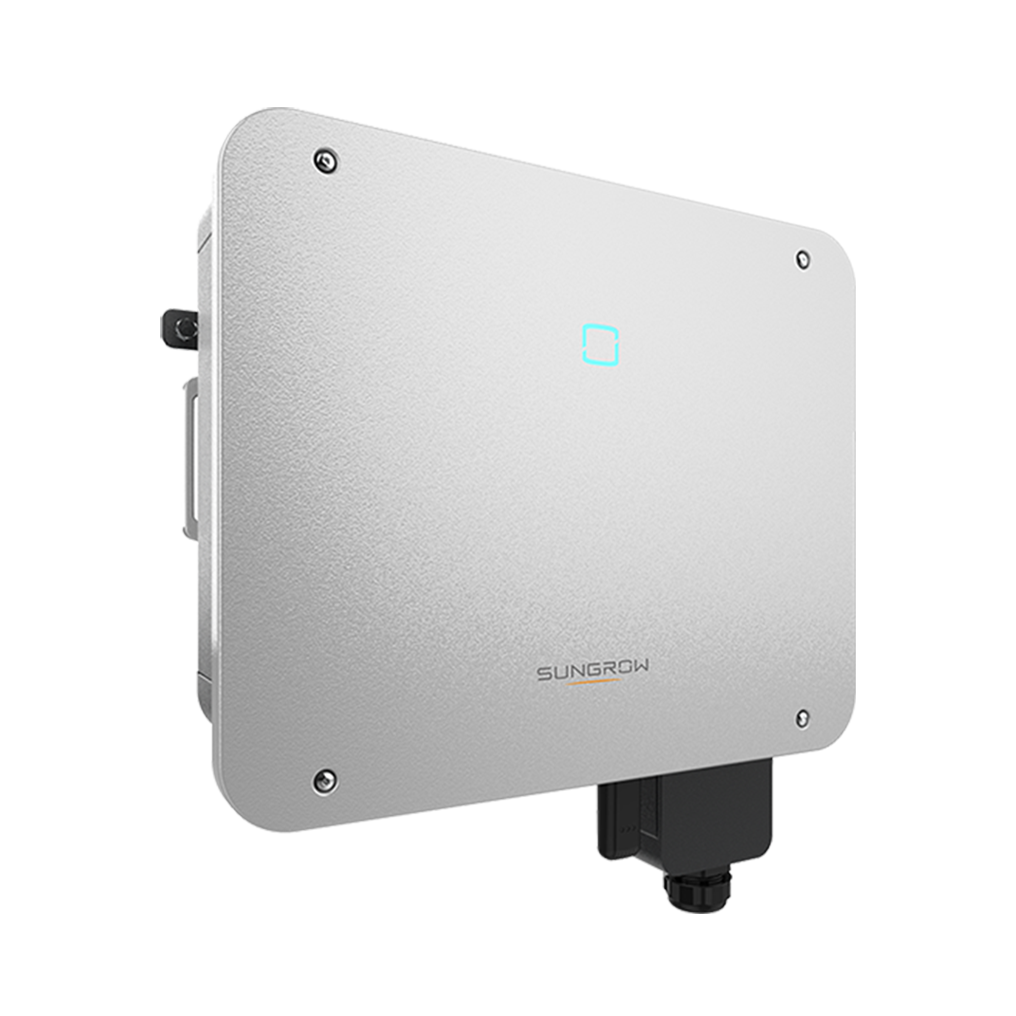
Not all string inverters are built the same; you must evaluate them like an auditor, not a salesperson. In my proposal packs now I always include three checks: MPPT count and algorithm behaviour under mismatch; thermal derating curves; and remote monitoring detail (data resolution and alarm latency). When I tested a Sungrow SG125CX in Sham Shui Po (installed March 2023), its MPPT handled partial shading better than the cheaper competitor — output variance reduced by roughly 12% over the month of July. That result changed the client’s payback estimate measurably.
What’s Next?
Compare models side-by-side for these metrics — get the derating curve, request a shadowing test report, and insist on 1‑minute data sampling where possible. Also check for surge protection specs and AC coupling options if you plan battery retrofit. I urge buyers to demand those documents during tender (don’t accept vague statements). Short pause — this is the part most teams skip, and it’s costly.
Forward-looking checklist — three hard metrics I use when choosing inverters
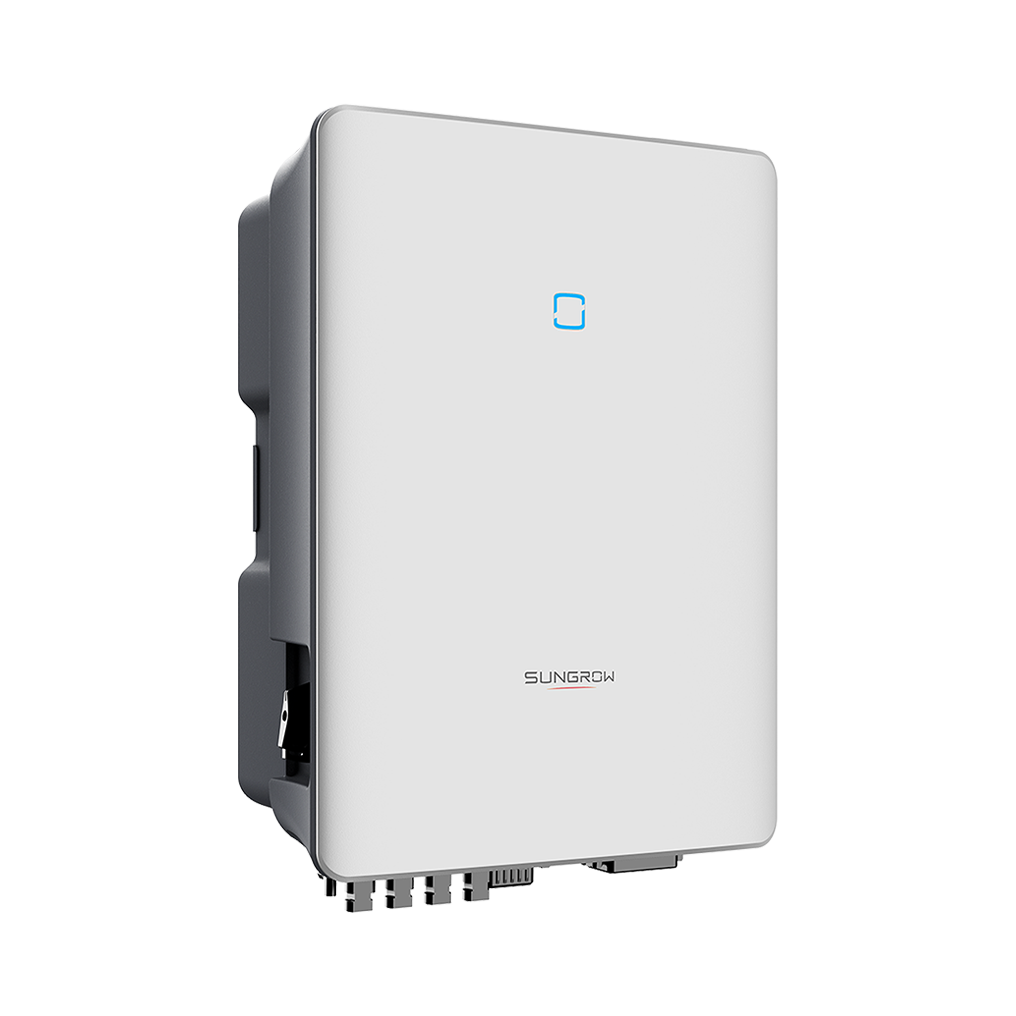
Here are three concrete evaluation metrics I give to wholesale buyers: 1) MPPT resilience: request a manufacturer test showing performance under 30% string mismatch; 2) Thermal derating: a published curve showing output at 45°C vs 25°C; 3) Data fidelity: minimum 1‑minute logging, SMS/HTTP alarms under 5 minutes. Apply these and you cut surprise downtime and warranty disputes. I’ve used this checklist in tenders since 2021 and it reduced post‑install issues by about 40% in my accounts — small change, big effect. Also, if you need a tested product reference, I still often specify a sungrow string inverter for mixed‑roof commercial jobs because their monitoring and MPPT architecture match these checks better than many low-cost alternatives.
To wrap up: I speak from hands-on installs, supplier negotiations, and post‑sale support across urban rooftops and small commercial parks. Use clear technical checks, demand real test data, and avoid buying on peak kW alone. A little diligence now saves warranty headaches later — and trust me, I’ve seen the fallout. (Quick note — ask for the firmware release date and patch history; it matters.) For practical sourcing, I still recommend partners like sungrow when their specs meet the three metrics above.