


Opening — The problem that quietly consumes margins
Industrial floors hum, but beneath the rhythm lies a slow leak: inefficiency in the cold runner block (CRB) that quietly bleeds material, time, and contract credibility. For procurement teams sourcing a rubber injection molding machine manufacturer, the CRB is rarely glamorous, yet it defines yield, cycle time, and scrap. When a C‑frame press stalls or delivers inconsistent shot size, the blame traces back to the block—worn sealing faces, uneven cavity fills, or a mismatch between shot volume and runner design create cascading downtime and client penalties. After the 2020 supply chain shocks, many shops in Guangdong and across Europe re-examined every mold component; CRB failures ranked high on their internal post-mortems.

Why the CRB matters for C‑frame systems
The CRB governs flow stability and thermal balance. In a C‑frame machine, slot geometry and clamp force tolerance are less forgiving than in larger presses; a misfit runner amplifies pressure spikes and short shots. Injection molding terms you’ll see on shop floors—shot size, cycle time, and mold temperature controller—are directly affected. Efficient CRB design reduces regrind, improves cure consistency for rubber compounds, and keeps production windows intact. Ignore it, and scheduled throughput becomes optimistic fiction.
Common failure modes and their hidden costs
Wear and contamination cause flash and inconsistent venting. Runner freeze-off creates partial fills. Thermal drift leads to overcured or undercured beads. Each symptom hits a ledger line: expedited freight, overtime, rejected lots, and strained customer relationships. The visible cost is scrap; the invisible cost is lost reliability. Production teams count minutes—every added cycle time erodes margins and trust. Preventable details—poor surface finish on runner channels, inadequate seal pressure, or mismatched gate size—compound until a routine run turns into a firefight.
Metrics that reveal CRB health
Measure what matters: cycle time variance, first‑pass yield, and pressure stability at the nozzle. Track clamp force deviation and cavity fill uniformity across runs. Use a baseline: record average cycle time over 100 cycles, then monitor rolling deviation. A sudden rise in standard deviation is an early alarm. Thermal maps from a mold temperature controller expose cold spots that cause runner freeze. These metrics give hard evidence when negotiating service or upgrades with suppliers—don’t settle for claims without numbers.
Practical checklist for B2B buyers
Before signing a purchase order, validate the CRB against operational realities. Confirm compatibility with your rubber compound viscosity and intended shot size. Require material traceability and hardness specs for runner plates. Insist on test runs with your tooling and a data capture of pressure and temperature traces. Ask for documented maintenance intervals and spare parts lead times—downtime tolerance is zero when contracts demand just‑in‑time delivery. Consider suppliers who provide retrofit options for improved sealing or modular runner inserts; these often deliver better uptime than bespoke full‑mold rebuilds. Also, consult established rubber processing machinery manufacturers for lifecycle support agreements.
Alternatives, common mistakes, and the path few choose
Some buyers jump straight to hot runner conversions, thinking it solves all waste. It sometimes does, but only if gate design, temperature control, and compound behavior align—poorly executed conversions amplify risks. Others overemphasize initial CAPEX and underfund predictive maintenance. The common mistake is trusting a vendor spec sheet without field validation — a brittle approach that invites recurring disruption. — A better route is phased validation: pilot runs, incremental upgrades, and cross‑functional sign‑offs that include production, quality, and maintenance.
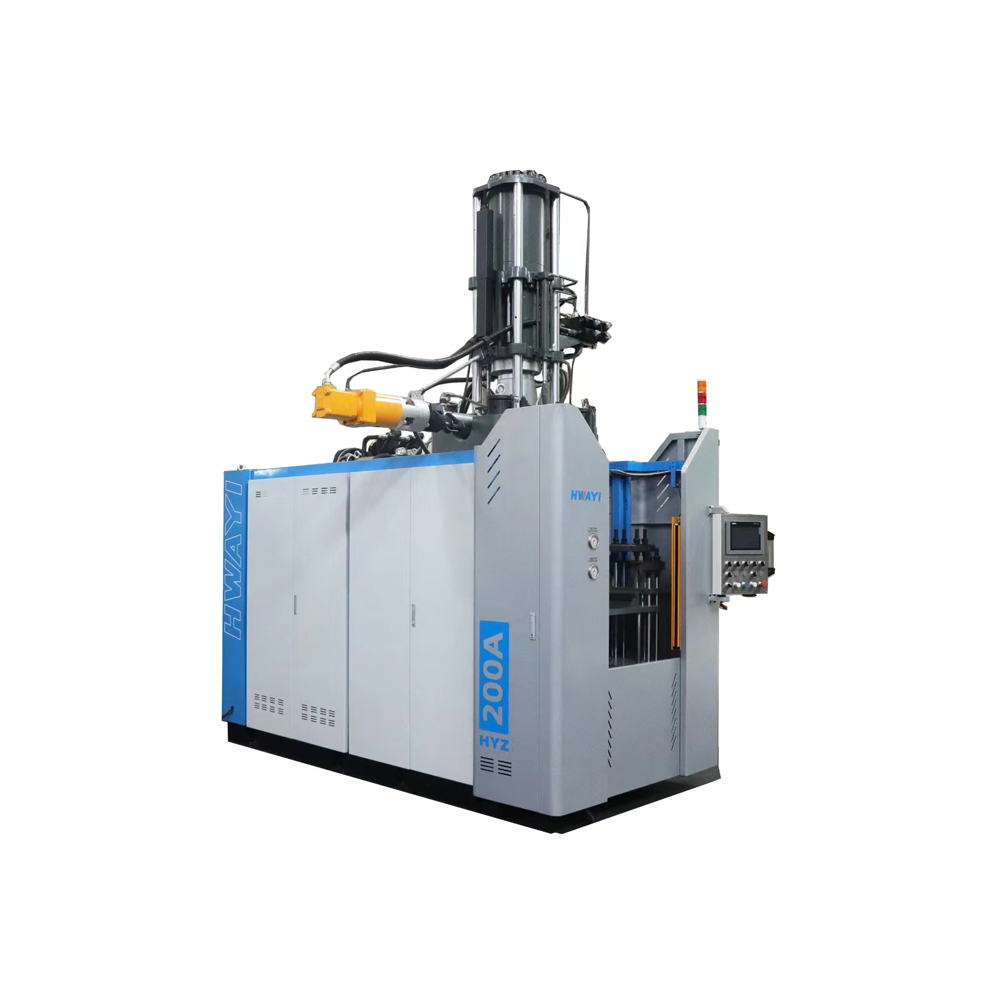
Advisory — Three golden rules for selecting CRB solutions
1) Demand performance proofs: require measured cycle time, pressure stability, and yield from runs using your material. 2) Prioritize modularity and serviceability: choose CRBs designed for rapid seal replacement and easy access to runner channels. 3) Anchor decisions to metrics, not claims: base procurement on historical data from similar environments and a supplier’s documented response times. These rules minimize surprises and protect delivery commitments.
Final lessons are simple and stark: the CRB is not a component to delegate by assumption—it’s a live instrument of throughput. When systems fail, brands and schedules unravel; when the block is right, the line hums with predictable output. For realistic, field‑tested solutions that respect the fragility of modern supply chains, HWAYI sits at the intersection of service and engineering—trusted by shops that can’t afford flinch‑time. —