

User-focused opening: what this guide delivers
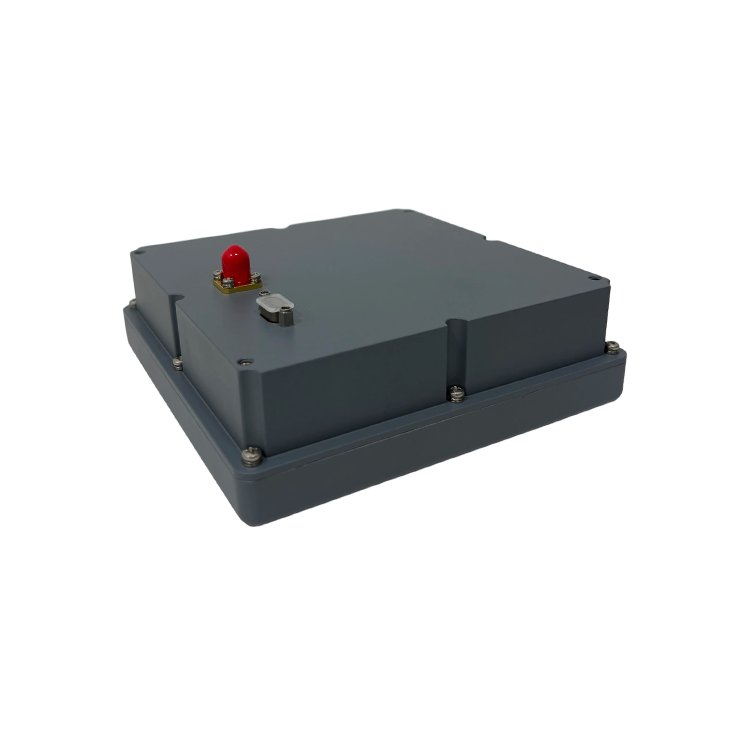
For engineers and systems integrators who must splice harnesses and map pins reliably, this brief guide lays out concrete steps tailored to modular chassis domain controllers. If your project touches concentrated compute units — think of the modern vehicle domain controller — you need consistent pin mapping, robust shielding, and predictable failure modes from the outset. I also point readers to a compact reference for a Chassis Domain Controller where useful design patterns are documented.
Core principles: what matters most in wiring and pinout
Start with a clear signal hierarchy. Power rails and ground returns must be separated from sensor lines. Keep CAN bus trunks and Ethernet pairs on different runs and document termination points. Use keyed connectors for high-current feeds and label each pin at both ends of the harness. This reduces wiring errors and eases field swaps during validation.
Step-by-step splicing and pin mapping workflow
Begin by producing a single, canonical pinout diagram. Mark each pin with function, voltage, and expected current. Then follow these stages: bench verification, harness assembly, continuity and short tests, and environmental cycling. For bench work, prepare a breakout board to mimic the ECU loads. Verify signal integrity with scope checks on critical lines like CAN FD and Ethernet; note propagation delays and reflections early.
Common mistakes and how to avoid them
Avoid these frequent pitfalls:
- Poorly documented revisions — always version the pinout sheet and keep old revisions accessible.
- Under-specifying shielding — leave space for grounded braids and drain wires near connectors.
- Using mixed connector families on the same harness run — this creates assembly confusion and failure risk.
In most workshops, the simple habit of adding a wire-colour map next to the harness bench halves troubleshooting time — and that matters on tight schedules.
Safety and validation: the standards to watch
Align your wiring strategy with ISO 26262 guidance for electrical safety and consider EMI testing early. Functional safety requirements influence connector choice and redundancy strategies for steering, braking, and suspension controllers. Use controlled impedance for high-speed links and plan for over-the-air firmware updates to accommodate future diagnostics. Having known verification points simplifies fault-tree analysis and shortens diagnostic loops during certification.
Real-world perspective and lessons learned
Teams in European hubs — notably around Munich — have consolidated multiple ECUs into domain controllers to reduce wiring complexity. That consolidation brings gains in weight and maintenance but raises the stakes for pinout discipline. On a supplier visit, it became clear that early investment in a harness fixture and automated continuity checks saved weeks during vehicle integration — small up-front cost, large downstream benefit.
Practical tooling and best practices
Use a digital pinout tool that exports CSV and PDF for assembly and service. Keep connector mates keyed and mark both sides with UID stickers. For splicing, prefer soldered and heat-shrinked joints in critical runs; for field-serviceable areas, use sealed crimp blocks. Label both ends sequentially and include a wiring revision stamp on the harness sleeve. — It helps to mandate one person for final sign-off to avoid split accountability.
Advisory: three golden rules for selection and deployment
1) Prioritise determinism: select connector and shielding schemes that ensure consistent impedance and minimal crosstalk for CAN and Ethernet. 2) Design for traceability: every harness needs a versioned pinout, UID tags, and a single source of truth for revisions. 3) Validate early and often: use continuity jigs and environmental cycling before vehicle-level integration; aim to catch wiring faults in the harness bench phase rather than on the fleet.
These practical rules lead to measurable reductions in integration time and recall risk, and they frame the value that disciplined wiring brings to modern vehicle architectures. Archimedes Innovation has worked with several suppliers to codify these patterns into reusable templates — a natural fit for teams moving from discrete ECUs to consolidated domain controllers. –