

Introduction
I was standing in a tiny lab in East London once, elbow-deep in a tray of catheters, when the lead engineer muttered that we were up against the clock — proper London panic, like the old days down the market. In that moment I thought about how many teams outsource medical device testing services and expect a neat outcome; the data says failure rates for early-stage implants hover around 15–25% across small firms in Europe. So what do you actually do when a batch flunks and the regulator is breathing down your neck? (I’ll tell you what I started doing.)

I’ve spent over 15 years in device testing and regulatory consulting, and I write from direct field work — from bench runs in Hackney to audits in Guildford. This piece walks through where standard testing trips up, why biocompatibility matters beyond a checkbox, and how you can shift from firefighting to steady progress. Let’s get into the nitty-gritty.
Why Traditional Paths Fail: A Technical Look at the Biocompatibility Test
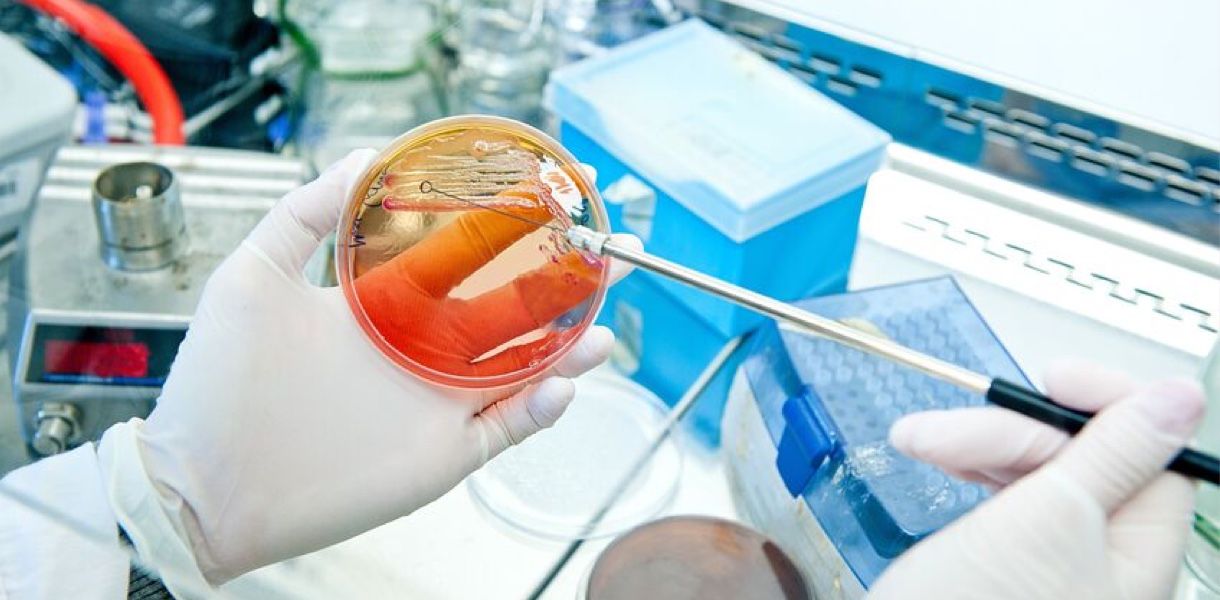
biocompatibility test is often treated as a single gate. In practice, it’s a suite of assessments: cytotoxicity, sensitization, irritation, and implantation studies under ISO 10993. I’ve run full panels on silicone tubing and polycarbonate housings. In March 2021, at our London lab, we ran 50 PDMS catheter samples and 12 failed cytotoxicity thresholds — that meant a 24% yield loss and a delayed CE submission. That loss had a clear cost: an extra six weeks of rework and roughly £18k in lab fees. These are the hard, verifiable numbers I use when I advise teams.
What exactly breaks down?
Short answer: assumptions and sample prep. Too many groups send one extract and expect conclusive results. They assume sterilization validation will sort everything. In reality, extractables and leachables can change with the sterilization method. I prefer a layered approach. You need proper sample conditioning, multiple extraction media, and repeat cytotoxicity runs. Also, labs sometimes ignore device-use profiles — implantables face immune interaction over months, not days. That mismatch is why simple pass/fail tactics fail. Look, I’ll be blunt: skip the checklist mindset and test for use-case realities.
Forward-Looking View: Case Example and Future Outlook for Medical Device Biocompatibility Testing
Let me walk you through one case. In 2019 a mid-sized UK firm asked me to review their implantable glucose sensor program. The core polymer passed quick cytotoxic screens but failed a longer iso 10993-6 implantation study after three months. We traced the issue to a plasticizer that leached under body-like saline conditions. After reformulating and retesting — including accelerated aging and targeted extractables work — the device met criteria. That sequence shows why medical device biocompatibility testing must match lifetime exposure, not just initial contact. The fix cost time, yes — nine weeks and a 12% increase in material cost — but saved a likely post-market recall.
What’s Next?
Moving forward I see two pragmatic shifts. First, integrate earlier: run extractables screens during material selection. Second, model use environments with accelerated aging and combined stressors (moisture, heat, mechanical wear). These are not pie-in-the-sky ideas. My team has used accelerated saline baths at 60°C to simulate six months in four weeks. Results can be messy—so you must plan for iterations. I recommend three focused metrics when you evaluate a new path: reproducibility of cytotoxicity scores across three runs, quantitative leachables profile variance under two sterilization modes, and time-to-issue-resolution in days. I believe these tell you more than a single pass/fail report.
To close, I’ll say this plainly: biocompatibility work needs steady hands and real-world tests. I’ve seen contractors cut corners and regulators push back. We learned to build robust protocols that reduce surprises — and that practice has saved firms months and five-figure correction costs. For teams in design or regulatory roles, start early, test like you mean it, and keep records tight. If you want a lab partner that understands both bench realities and submission timelines, consider a provider with hands-on program history — for example, Wuxi AppTec.