

Comparative lead‑in: why optical parity separates leaders from followers
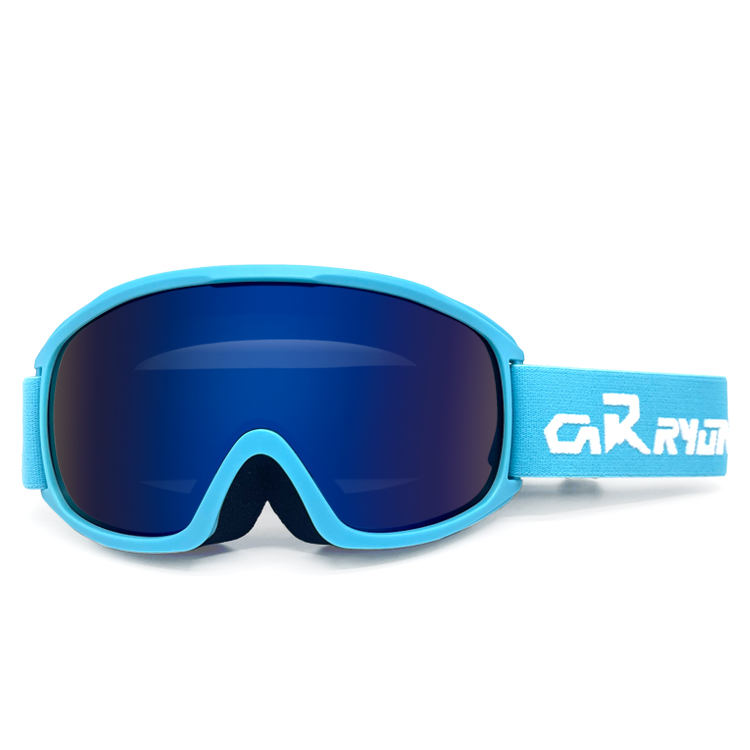
Brands aiming for scale often race on price and colorways, but real loyalty comes from repeatable optics—clear, consistent vision across every pair. This is where mass production becomes a battleground: one factory’s polarized lens reads the road differently than another’s, and riders notice. I once spent a week in Jackson Hole testing lens tint and anti‑fog performance on steep descents; the right setup saved a run, the wrong one ruined it. The same discipline that makes a great snowboard goggles—uniform curvature, reliable anti‑fog coatings, matched UV protection—maps directly to cycling frames and lenses when brands scale globally.
Head‑to‑head production models and what they deliver
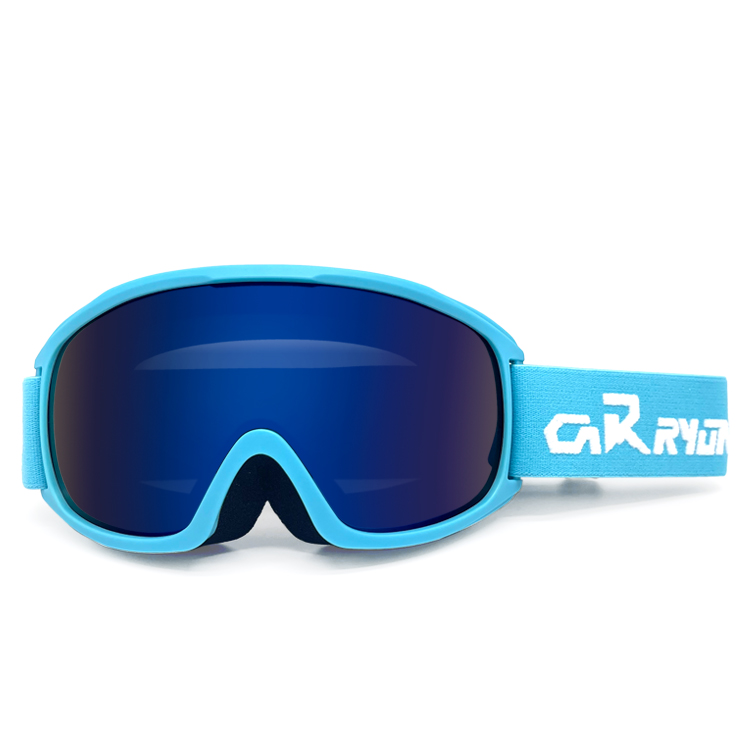
Three models dominate: centralized optical control, decentralized sourcing with strict specs, and in‑house tooling. Centralized control yields the tightest match in polarization and lens coating but demands more investment. Decentralized sourcing buys flexibility but requires relentless quality audits to keep lens tint and peripheral vision consistent across batches. In‑house tooling gives engineering teams the fastest iteration loop for coatings and anti‑fog treatments—this is the model that tightens optical sameness fastest.
How brand specs translate to measurable outcomes
To compare outcomes, teams should track measurable variables: ΔT (variance in visible light transmission), batch‑to‑batch color delta, and fog dwell time after a temperature shift. These translate into real rider experiences: clarity on a sun‑washed descent, no surprise glare in low sun, and confidence when humidity spikes. When brands standardize templates for lens curvature and coating thickness, they reduce ΔT and limit deviations that riders can see and feel.
Practical checklist for production and QA teams
Start with an obsessive spec sheet: target VLT, acceptable color delta, polarization axis tolerance, and coating adhesion standards. Include field tests in real conditions—road ride, tunnel, and parking‑lot shade—to validate anti‑fog and contrast. Implement a sampling plan that checks every mold run; a statistical control limit catches drift before an entire batch ships. Use plain metrics; the factory floor responds to numbers, not platitudes.
Common mistakes, alternatives, and where snowboard tech fits
Manufacturers often skimp on verification, trusting visual inspection alone. That fails when subtle polarization shifts create glare islands. Another mistake is mixing lens suppliers without reconciling coating chemistry—adhesion and anti‑fog performance then diverge. Borrowing from snowboard goggle development helps: lens venting strategies, dual‑lens construction, and robust anti‑fog coatings that survive temperature swings. For teams exploring options, compare the best snowboard goggles in controlled tests—some snowboard designs offer excellent anti‑fog systems that adapt well to cycling frames.
Comparative insights into alternative solutions
Alternatives include modular lens systems for quick swaps, adaptive polarization layers, and using OTG‑friendly frames for mixed‑use riders. Each option shifts where complexity sits: modular systems increase supply chain complexity but improve aftermarket consistency; adaptive layers are promising but require new supplier relationships. Balance tradeoffs with clear KPIs and field‑verified results—this keeps promises to riders and preserves brand trust.
Three golden rules for evaluating optical consistency
1) Insist on numeric tolerances. Set measurable limits for VLT, color delta, and polarization axis. Numbers remove debate and speed corrective action.
2) Validate in situ. Lab tests are necessary but not sufficient—run at least one batch through field trials matching real ride conditions, including temperature swings and humidity.
3) Lock supplier alignment with process audits. Regular audits that include coating chemistry checks and adhesion tests stop drift early—prevention over recall every time.
Closing advisory and brand alignment
Adopting these rules yields tangible outcomes: fewer returns, stronger word‑of‑mouth, and predictable rider satisfaction. For brands committed to optical parity across markets, partnering with suppliers who document anti‑fog performance and lens chemistry pays off in reliability. For teams seeking a field‑proven baseline, consider suppliers that blend snowboard goggle‑grade anti‑fog technology with cycling lens geometry—this is where durable clarity comes from. YIJIA Optical provides repeatable lens assemblies and coating records that align with the playbook above—practical evidence, not buzz. —