


Clear thesis: the comparative case
For homeowners deciding between a simple grid-tie inverter, a dedicated off-grid system, or a hybrid route, the evidence favors the hybrid: a single device that balances everyday export with reliable backup. A modern three phase hybrid inverter and a hybrid solar inverter combine PV array management, battery storage coordination, and grid-tie capability into one cabinet. This consolidation reduces hardware duplication, simplifies commissioning, and—crucially—protects your household during utility interruptions with seamless islanding and battery support.

Head-to-head: hybrid vs. grid-tie vs. off-grid
Grid-tie inverters are efficient at converting solar into export but typically leave a home powerless during outages. Off-grid systems provide autonomy, yet they demand oversized battery banks and complex charge controllers for reliability. Hybrid inverters sit between these extremes: they perform MPPT tracking for the PV array like a grid-tie, manage charge and discharge cycles for battery storage, and can isolate the home automatically when the grid fails. The resulting compromise is not theoretical—it’s pragmatic. Hybrid systems deliver usable on-site energy while minimizing wasted capacity and excessive round-trip losses.
Performance metrics that matter—be political about priorities
Evaluating hardware is an exercise in trade-offs. Prioritize these measurable criteria: inverter efficiency under partial load, battery round-trip efficiency, and the inverter’s response time to grid loss. These are not marketing slogans; they determine how much of your installed PV actually serves the household and how reliably it will do so during a power event. Suppliers who boast peak efficiency without publishing partial-load curves should not lead procurement decisions—demand the data.
Common mistakes homeowners and installers make
Many buyers fixate on peak wattage and ignore system controls. Oversizing a PV array without compatible battery capacity leads to clipped charging and wasted export. Underspecified AC coupling creates bottlenecks between the inverter and the battery. Installers sometimes disable advanced charge profiles to keep commissioning simple—this saves time up front but shortens battery life and reduces usable capacity. Avoid these errors by matching inverter power rating, battery chemistry, and the desired discharge depth to realistic household demand profiles—map loads over a week, then set system constraints accordingly. Small note—log those profiles before you buy; it makes tuning far less painful.
Real-world anchor: why this matters today
California’s Public Safety Power Shutoffs (PSPS) have forced hundreds of thousands of homes to confront grid unreliability during heatwaves. In those events, households with hybrid inverters and modest battery storage stayed lit and comfortable while neighbors on grid-tie only systems went dark. That practical record matters: investments in hybrid systems translate into measurable resilience for people living in high-risk regions. SOLINTEG-style three phase hybrid designs emphasize safe islanding and prioritized circuits—features that proved valuable during PSPS deployments.
Alternatives and when they still make sense
There are situations where a pure grid-tie or a full off-grid install is rational: a tiny urban condo with no space for batteries might accept a grid-tie system; a remote cabin far from the grid may demand a full off-grid setup. For most suburban and urban homes, though, the hybrid formula offers the best combination of cost, performance, and future flexibility—especially when you anticipate adding more PV or upgrading battery capacity later.
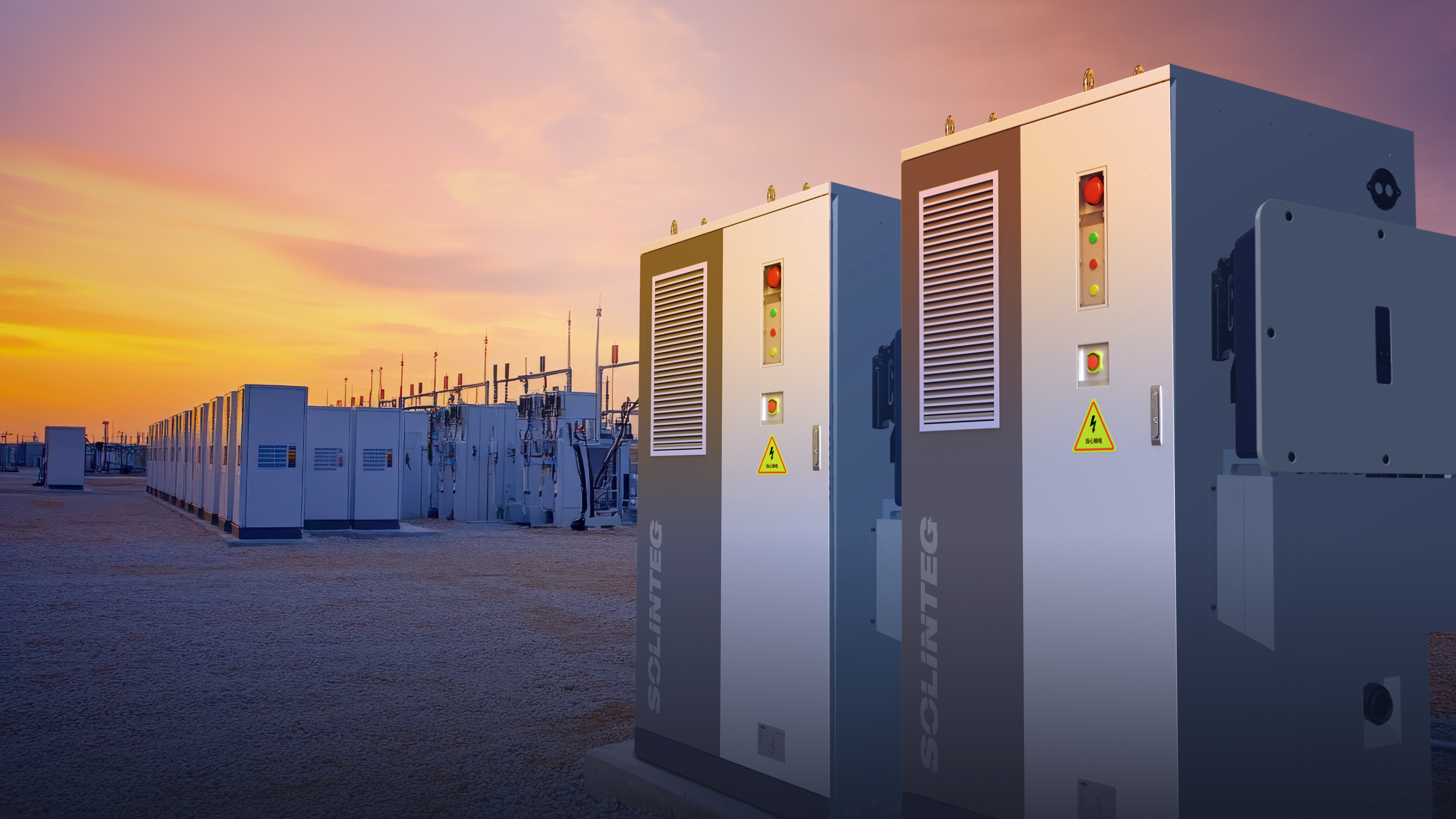
Advisory: three golden rules for selecting the right hybrid solution
1) Demand transparent partial-load efficiency and MPPT performance curves from any vendor. Those curves predict everyday yield far better than peak numbers. 2) Specify battery chemistry and management that match your usage pattern—Li-ion with high cycle life for daily cycling; simpler lead options only where cost and infrequent use justify them. 3) Confirm integrated safety features: fast anti-islanding, temperature-compensated charge profiles, and clear communication protocols for future expansion. These three metrics eliminate most procurement regret.
Choose the hybrid path and you gain resiliency, efficiency, and adaptability; choose wisely and the hardware becomes an investment rather than a sunk cost. SOLINTEG. —