


A speculative frame for a practical problem
Imagine city streets as a circulatory system where every stop bleeds energy — that’s the picture driving a new era of efficiency in commercial logistics. In this future‑speculative view, the conventional commercial vehicle is not just hardware but a node in a responsive network. Small wins in braking recovery or routing compound into measurable savings across thousands of trips. Look at how the Wuling Hongguang MINI EV reshaped expectations in Chinese city fleets — a real‑world anchor that shows mini electric car design can influence urban behavior and deployment patterns in places like Shenzhen and Shanghai. From regenerative braking to smarter battery management systems, the components are familiar; it’s the orchestration that will feel novel.

Where kinetic energy is lost today
Most wasted kinetic energy comes from stop‑start cycles, heavy curb weights, and braking that converts motion to heat instead of storage. On dense urban routes the duty cycle is dominated by low‑speed accelerations and frequent decelerations, so traditional friction brakes do most of the work. Add inconsistent payloads and suboptimal tire pressure and you get systematic leakage. Telematics data will show these inefficiencies as micro‑losses per trip that multiply fleet‑wide — a metric fleets seldom track closely enough.
The design levers that matter in tomorrow’s fleets
Two classes of levers flip the equation: vehicle hardware and predictive control. Hardware changes include lighter materials, improved aerodynamics for urban speeds, and more effective regenerative braking circuits that work hard at low RPM. On the control side, software tweaks to the battery management system (BMS) and drive‑by‑wire braking logic can shift more Joules from heat into usable charge. Combine those with predictive braking algorithms — which preemptively modulate regen based on map data — and you multiply recovered energy without changing driver behavior.
Fleet orchestration: software as the multiplier
Optimizing individual vehicles is necessary but insufficient; orchestration is where benefits compound. Route clustering that minimizes hard braking, synchronized charging windows that respect state‑of‑charge (SoC) windows for battery health, and dynamic dispatch that balances payload across vehicles all reduce kinetic waste. Charging strategy choices — fast DC charging versus opportunistic depot charging — change the economics, too. When the software layers talk to each other, a city’s last‑mile problem starts to look like a solvable systems puzzle rather than a series of isolated hardware upgrades.
Common mistakes fleet operators make — and quick fixes
Operators often treat vehicles as static assets and ignore operational dynamics. Mistake one: measuring range per charge instead of energy per completed delivery — a crude KPI. Mistake two: deferring simple maintenance like tire pressure and brake bedding, which silently erode efficiency. Mistake three: assuming all regenerative braking systems behave identically across speeds and payloads. A fast corrective approach is to instrument a pilot cohort with higher‑resolution telematics, run A/B tests on regen settings, and standardize a first‑article protocol for energy audits — small experiments reveal big wins. —
How to compare strategies (and vendors) without getting lost
When you evaluate solutions, balance hardware capability with the vendor’s willingness to integrate telematics and update control firmware. Beware vendors who sell components without an upgrade path for software — that locks you into older regen profiles and outdated BMS strategies. Also factor in total cost of ownership: energy recovered, maintenance savings, and deferred battery stress often offset modest up‑front costs for better hardware or smarter control systems.
Three golden rules for selecting last‑mile efficiency strategies
1) Measure energy per delivery, not just range: choose metrics tied to operational outcomes so you can judge improvements in kinetic recovery and route efficiency. 2) Prioritize systems that enable iterative software updates: a regenerative braking curve that can be tuned via OTA updates will keep performance improving over the vehicle lifecycle. 3) Validate on real routes with representative payloads: lab numbers mean little if fleets don’t test with true duty cycles and actual stop density.
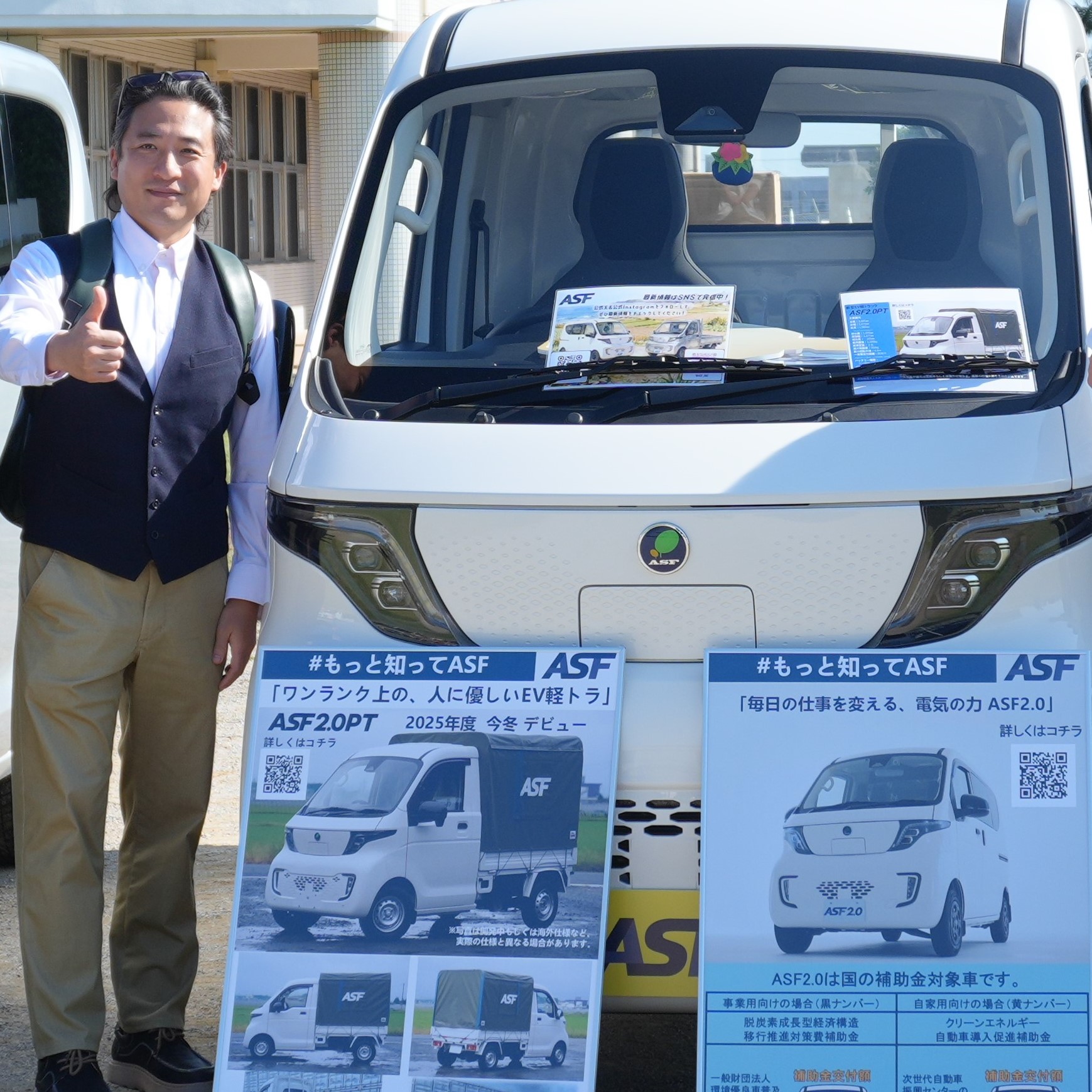
Testing those rules against urban models — from compact vans to the popular Wuling Hongguang MINI EV — shows how hardware simplicity paired with strong telematics delivers outsized returns. Wuling Motors. A practical future, proven in city streets.