

Introduction: A Quiet Rush and a Simple Question
I remember a morning when the lab hummed like a small airport—samples lined up, people moving in short, sure steps. The scene felt familiar yet charged: an urgent run of tests, a deadline that could not be missed. The automated nucleic acid extraction workstation sat at the bench like a calm anchor in the storm; it was doing the steady, repetitive work that kept us on schedule. (We all breathed a little easier when the machine started.)
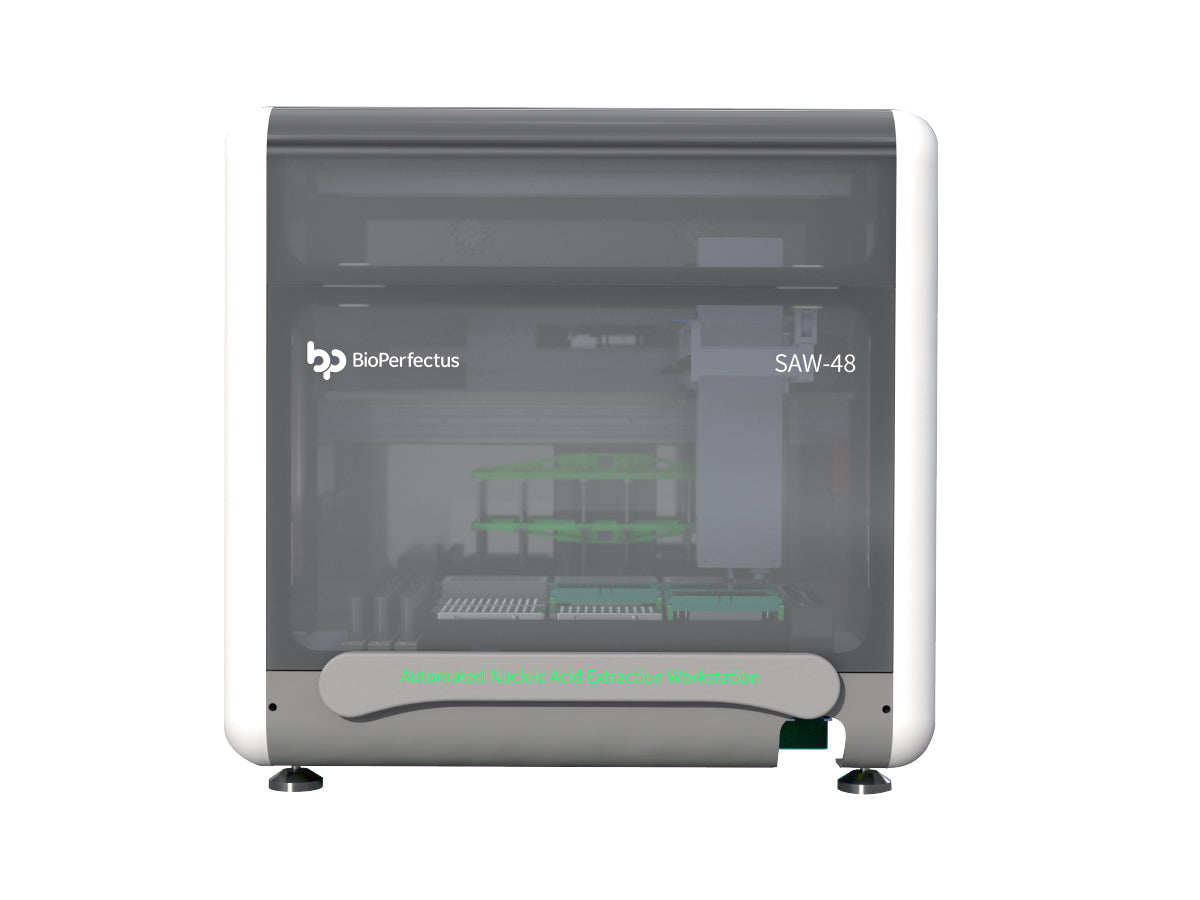
Across dozens of runs I tracked time saved, error rates, and the odd late-night fix; the numbers kept nudging at me: faster turns, fewer repeats, clearer logs. So I asked the team a blunt question—how much of our daily stress was mechanical, and how much was avoidable? That question pulled us toward a deeper look at workflow, roles, and the tools we trust. The next section digs into where the old ways trip us up.
Part Two — Why Old Methods Fail the Lab (A Technical Look)
When I talk about the nucleic acid workstation, I mean the whole package: sample handling, magnetic bead capture, wash cycles, elution—everything under one controlled script. Yet many labs still rely on mixed manual steps, bulky liquid handlers, or one-off workflows that pretend to be standardized. The outcome is predictable: variable yields, hidden contamination risks, and throughput that stalls when one person is out sick.
What exactly breaks down?
Technically, the weak links are easy to name. Magnetic beads can be mishandled if pipetting volumes drift. Lysis buffer steps become inconsistent across operators. Pipette tips and poor deck layouts mean more hands touching more things—so PCR inhibitors sneak in. I’ve seen calibration drift because people skip routine checks; the automation script runs, but the logic is old. Look, it’s simpler than you think: without robust error detection and standardized ID tracking, small mistakes compound into big delays.
We also run into hidden costs—time spent troubleshooting, validation runs, and rework that no one logs neatly. Edge computing nodes in some setups attempt to offload data, but if the control software and power converters aren’t aligned, the system becomes brittle. In short, old solutions promise reproducibility but deliver fragile workflows that demand constant human patching. — funny how that works, right?
Part Three — Principles for Next-Gen Extraction and Actionable Criteria
What I want next is simple: systems designed from the start for reliability, traceability, and user comfort. New technology principles mean focusing on modular automation, closed-path fluidics, and smarter scheduling so instruments are rarely idle. A modern nucleic acid workstation should pair predictable chemistry with clear UI cues, so an operator can spot a drift before it becomes a failed batch.
What’s Next — How do we evaluate real systems?
My approach is pragmatic. I look for simple, testable improvements: fewer manual transfers, robust consumable tracking, and built-in QC flags. You should watch latency—how fast a system reports an anomaly; throughput—how many samples it finishes reliably in a shift; and mean time between failures. These metrics tell you whether a workstation helps your team or adds work. I prefer semi-formal assessments: run three blind control samples, measure variance, then scale to routine loads. The results guide choices and reveal trade-offs—sometimes you pay more up front to save days of busy work later.
In practice, adopting these principles eased our evenings and let us focus on interpretation rather than troubleshooting. I’ve been at benches where small design changes cut hands-on time by half; the team morale shift was real. So when evaluating options, weigh these three core metrics: operational uptime, consistency of yield, and ease of integration with lab software. Those are the real levers that change daily life. For labs exploring solid options, I keep coming back to tried vendors and thoughtful engineering—one of which you can review at BPLabLine.