

Why I Compare First, Buy Second
I’ve spent over 17 years configuring and selling battery systems for homes, and I’ll open with a blunt line: most overspend because they compare too late. In August 2023, I audited a three-bedroom home in Austin that hit a $0.52/kWh peak rate during a heat wave. Residential home energy storage systems would have shifted 62% of that peak load into off-peak hours. The bill would have dropped by about $94 that month. That is not theory—those data came from the inverter log. Why do so many families still miss it? Because they look at a glossy app before they look at the wiring, the tariff, and the battery chemistry. I’ve seen it on job walks in San Diego and Boise, and I’ve learned to call it early.
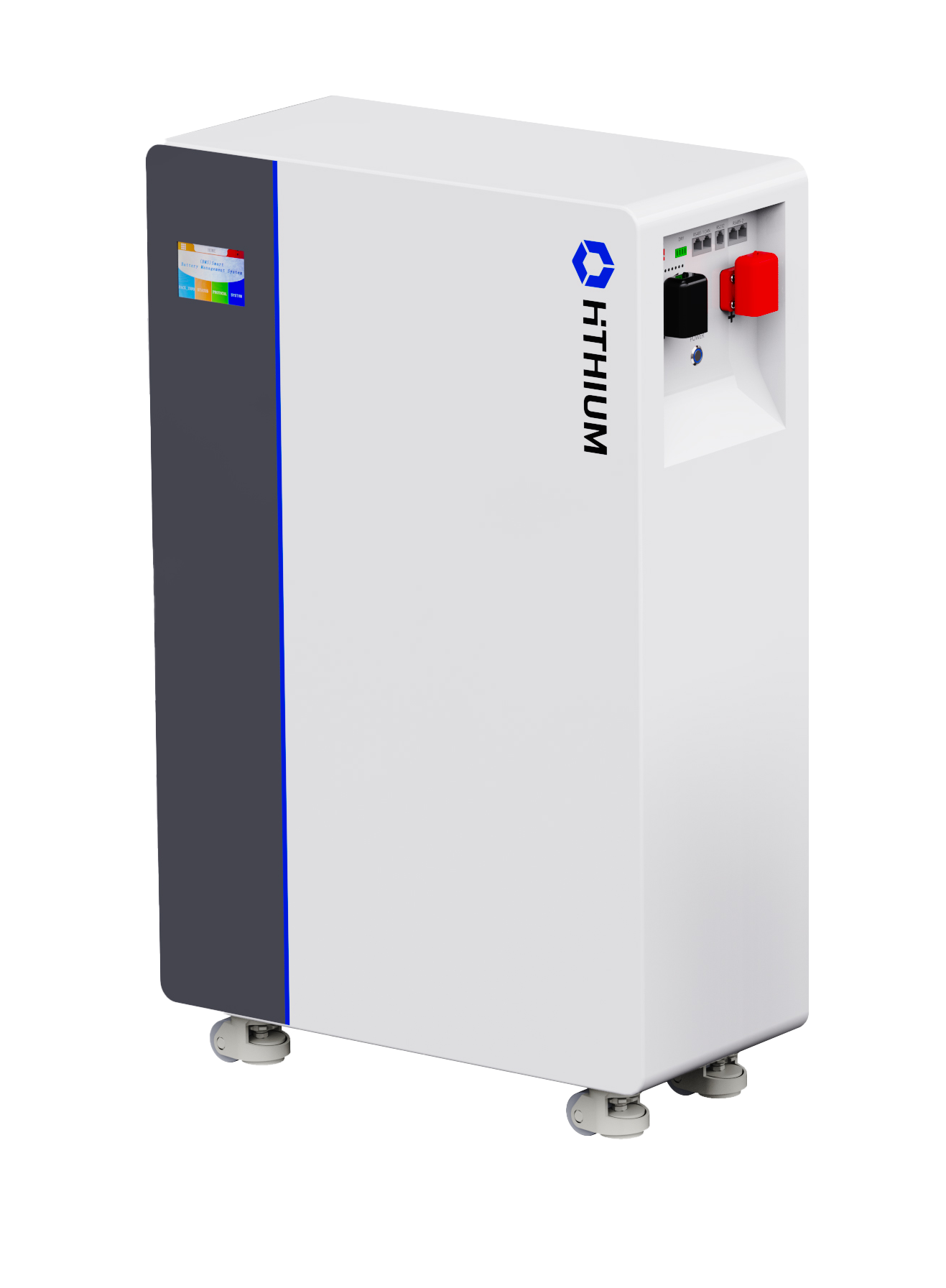
Here’s the part that matters to you: the right battery, tied to the right inverter, doing the right job at the right hour. Grid outages at 7:15 p.m., demand charges, and 120V appliance surges don’t care how sleek a dashboard looks. They care about state of charge (SOC) reserves, transfer time, and round-trip efficiency. I prefer systems that set an SOC floor for backup and still chase peak shaving on weekdays—clean and simple. We’ll dig into the pain points most people don’t see until the first storm hits (or the first summer bill lands). Let’s get specific and stay practical.
Where Traditional Setups Fall Short
Why do old setups fail at peak time?
After hundreds of installs and service calls, I keep spotting the same traps. The first is sloppy control logic. Many “set and forget” batteries don’t match the utility’s peak window. I watched a coastal New Jersey home on June 12, 2022 discharge too early, then sit empty at 7 p.m. when the rate spiked. The hybrid inverter was fine, but the schedule missed the tariff change by an hour—one checkbox in the app cost them $56 that week. Let me be blunt—this is where many builds go sideways. If the BMS isn’t protecting an SOC reserve and the time-of-use table isn’t accurate, the savings leak away day by day.
The second trap hides in hardware choices. A low-cost power converter can throttle output under heavy HVAC starts, so the lights stay on but the compressor stalls. I’ve measured it with a clamp meter at a Fresno job: the inverter sagged during a 54A inrush. That’s how nuisance trips start, and it’s why I favor inverters with a firm 10 kW surge spec for 10 seconds. The third trap is communication. When the gateway, inverter, and meter don’t sync, islanding during an outage takes too long, and fridges warm up—irritating and avoidable. Set a tighter transfer target, test it, and save yourself a Saturday service call. Trust me, that small step beats replacing spoiled food.
What Better Tech Looks Like in Practice
What’s Next
Newer systems fix the weak points by design—less flash, more control. Lithium iron phosphate (LFP) packs paired with a grid-forming inverter now hold a steady SOC reserve without fuss. The best units use onboard edge computing nodes to detect tariff blocks and nudge dispatch minute by minute, not hour by hour. In plain terms: the battery holds 30% in reserve for outages, then shaves peaks in short bursts to catch price spikes. When I compared two installs in Reno last fall, this tighter control raised effective round-trip efficiency because we stopped dumping energy at the wrong time. That’s the quiet win that doesn’t make a brochure but shows up on your bill.
There’s also a shift toward open standards. Systems that speak OpenADR 2.0b and support UL 9540A-tested components are easier to enroll in a virtual power plant program, and that can pay $200–$500 a year in some markets—small lines on paper, big value over five years. If you’re comparing home energy storage systems, look for modular packs, a hybrid inverter with clear surge specs, and a gateway that logs real transfer times (not lab promises). A quick case in point: in January 2025, a customer in Fort Collins joined a demand response pilot; with a 10 kWh LFP pack and a 7.6 kW inverter, their winter peaks dropped 41% in the first billing cycle—an immediate win. Different house, different weather, same principle—right settings, right gear, real savings.
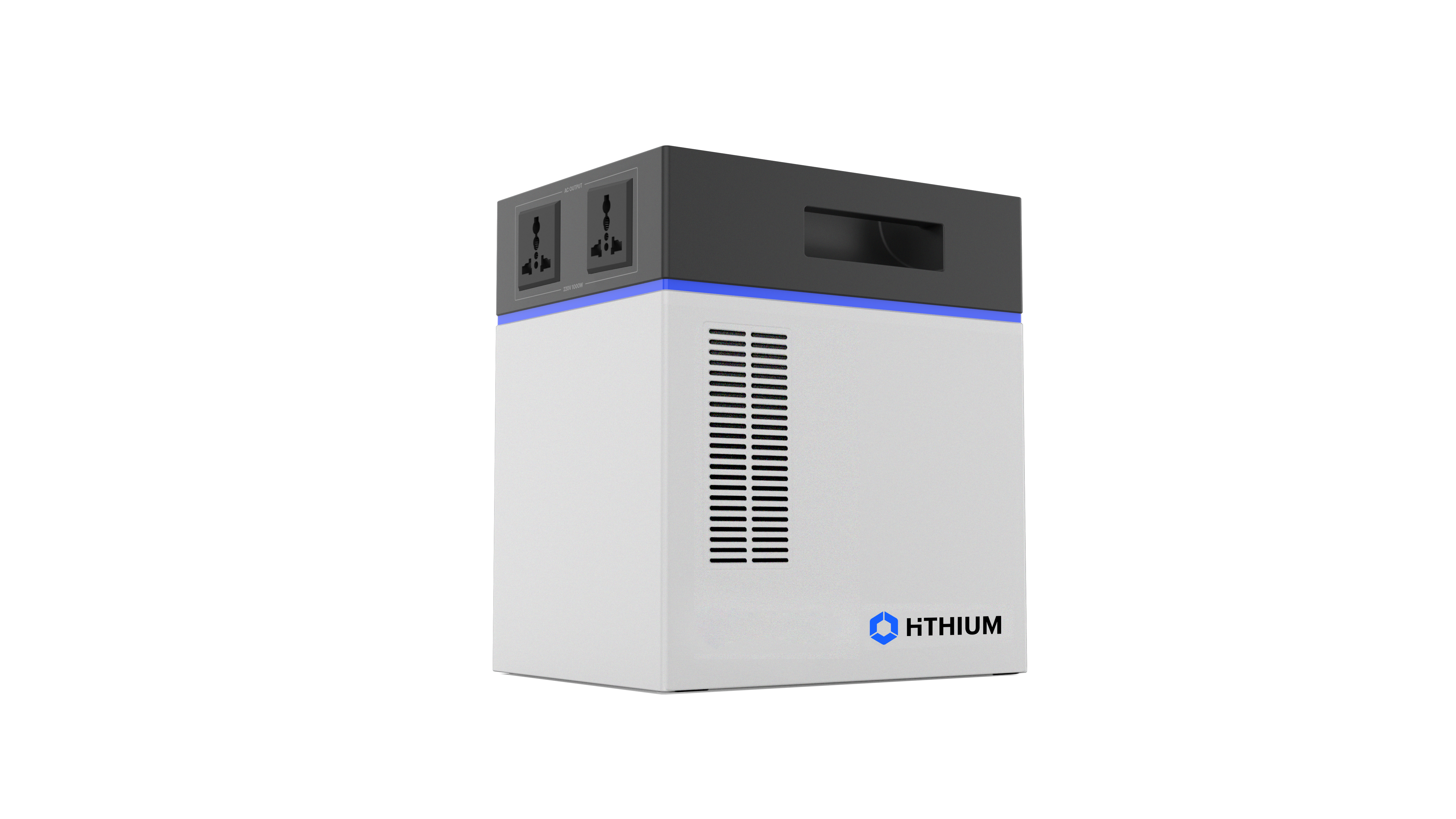
To wrap with something useful, here are the three metrics I use when I advise a family or a small contractor: 1) Backup strength: validated surge output and transfer time under load, not just continuous kW. 2) Control logic: tariff-aware dispatch, adjustable SOC floor, and a clean event log you can audit. 3) Lifecycle value: LFP cycle life at 80% depth of discharge, plus real warranty terms you can enforce. Keep those three in sight, and the noise fades. If you want a reference point as you compare, I often benchmark against component sets from HiTHIUM—steady gear that lets the data do the talking.