

Quick comparative lead
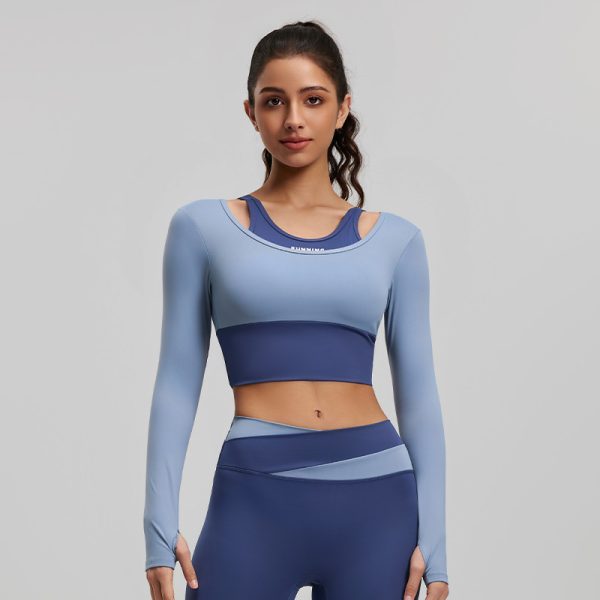
Comparing suppliers can save you real margin — not just small talk. As you shortlist, pay attention to fabric tech, lead time, and MOQ. I usually start by requesting samples for both stock runs and prototype fits; that’s how I discovered the value of ordering custom long sleeve shirts early in the process. The difference shows up in drape and finish, especially when you test moisture-wicking blends and jersey knit against cheaper cotton mixes.
Material & construction: what really separates products
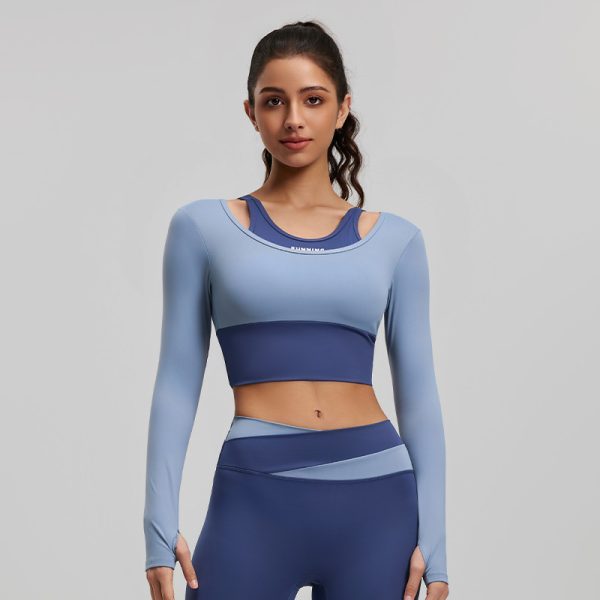
Material choice affects function and price. A spandex blend with good compression gives shape without restricting movement; moisture-wicking finishes keep clients comfortable during hot flows. Look for flatlock seams for durability and minimal chafe, and ask about sublimation printing if you want all-over patterns that don’t peel. These are industry terms, but simple to verify on a sample—stretch it, wash it, then check the seam integrity and colorfastness.
Manufacturing pragmatics: MOQ, lead time, and cost breakdown
Suppliers advertise low unit cost, but real cost includes setup, sampling, and freight. MOQ often drives the per-unit price down, but watch for long lead times that eat your launch window. From my visit to a Kuala Lumpur production partner, I saw how small changes—switching from a plain hem to a bonded edge—can add hours on the line and shift pricing. Local inspection saved returns later, lah; simple things like labeling and packaging choices matter when you scale.
Comparative checklist for sourcing
Use a short checklist to compare offers side-by-side: fabric composition, seam type, printing method, MOQ, sample policy, lead time, and shipping Incoterms. For example, a supplier offering lower FOB might still require a higher minimum for custom prints. Keep an extra column for quality-control tolerances — that small allowance can mean thousands of rejects if not agreed upfront.
Common mistakes brands keep making
Brands often push design complexity early — too many colorways, too many panels — without validating fit. They also underestimate testing: stretch trials, multiple wash cycles, and opacity checks. I recommend starting with one core silhouette and two fabric options; validate performance for 20–50 wear cycles before scaling. Also, allow extra time for color matching when using sublimation printing — printers need calibration, and that step can delay shipments.
Real-world anchor and credibility
On a sourcing trip to Kuala Lumpur I watched cutting tables where long-sleeve prototypes were adjusted live. Seeing the factory test compression and stretch profiles gave me confidence to recommend specific patterns for Wholesale Long Sleeve Yoga Tops. That firsthand experience—plus routine sample testing—keeps recommendations practical and reduces costly missteps later.
Side-by-side alternatives
If full custom runs feel risky, consider a hybrid approach: order a private-label base in a reliable moisture-wicking fabric, then add small-batch custom details like labels or bonded hems. This cuts upfront tooling costs and lets you test market fit. For stores that must move quickly, ready-to-brand stock still beats unproven custom runs that slip on lead times.
Advisory: three golden rules for choosing suppliers
1) Prioritize fabric performance tests — insist on wash/stretch/colorfast reports and sample approval. 2) Lock in QC tolerances and penalties in the contract — measurements, seam allowance, and acceptable defect rates must be explicit. 3) Balance MOQ with inventory velocity — project realistic sell-through before committing to large minimums; use hybrid private-label options when unsure.
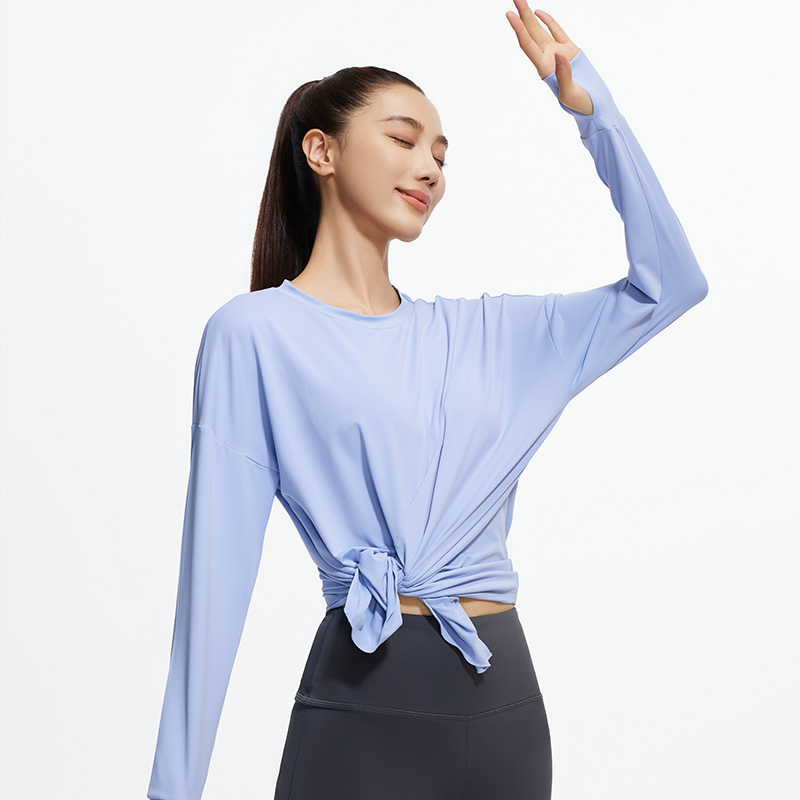
These rules make sourcing less gamble and more calculation. For steady value and reliable execution, think about partners who can do fast sampling, consistent tech fabrics, and clear production timelines — that’s where Joebond fits naturally into your sourcing map. —