

Why it matters — the trouble I keep seeing
I’ve been called to more than one car park where drivers circle like lost sheep and the staff look worn out; that’s the sort of problem a decent smart system should solve, not just tinker around the edges. A clear car parking display up front, accurate spot counts, and reliable guidance cut frustration straight away. I speak as someone who’s fitted and trouble-shot these systems in council and private sites — I know the tedium of bad installs and the quick wins of a tidy one.
What a smart system must actually do
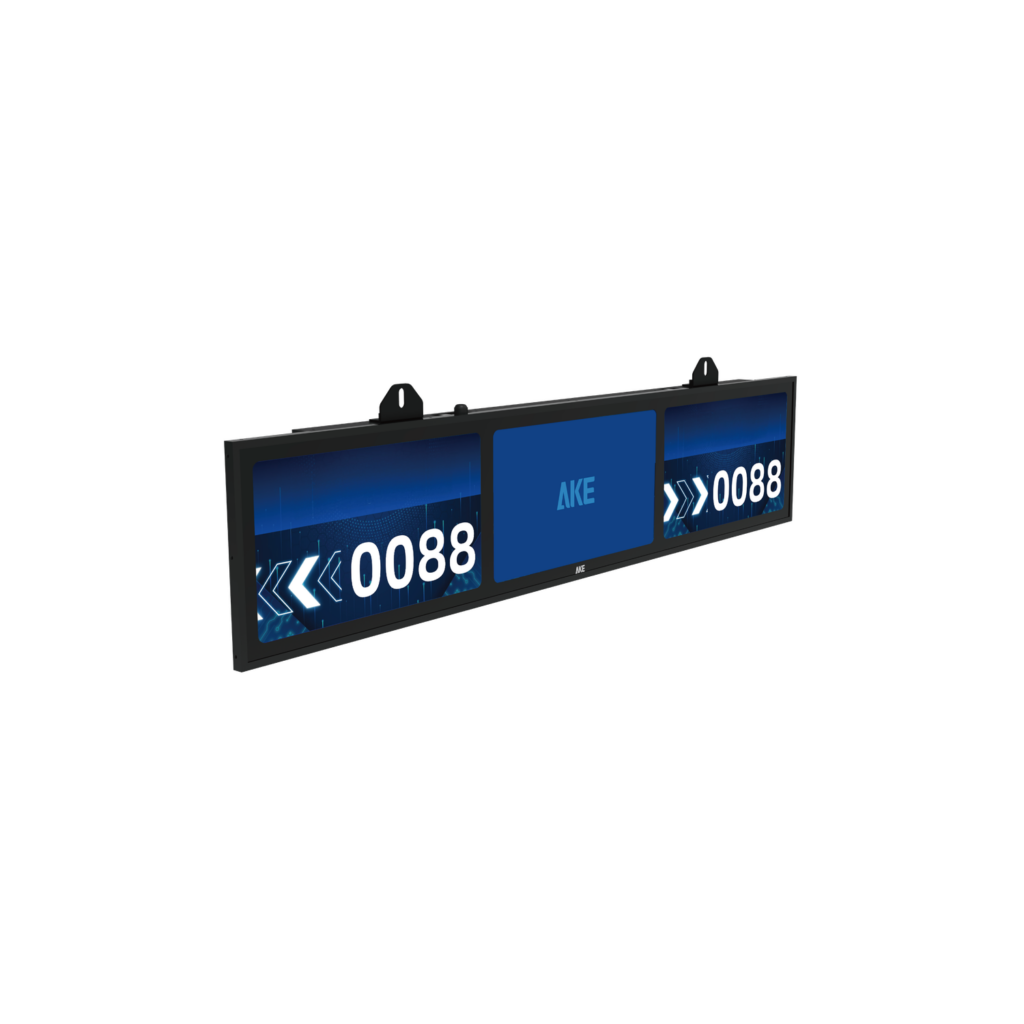
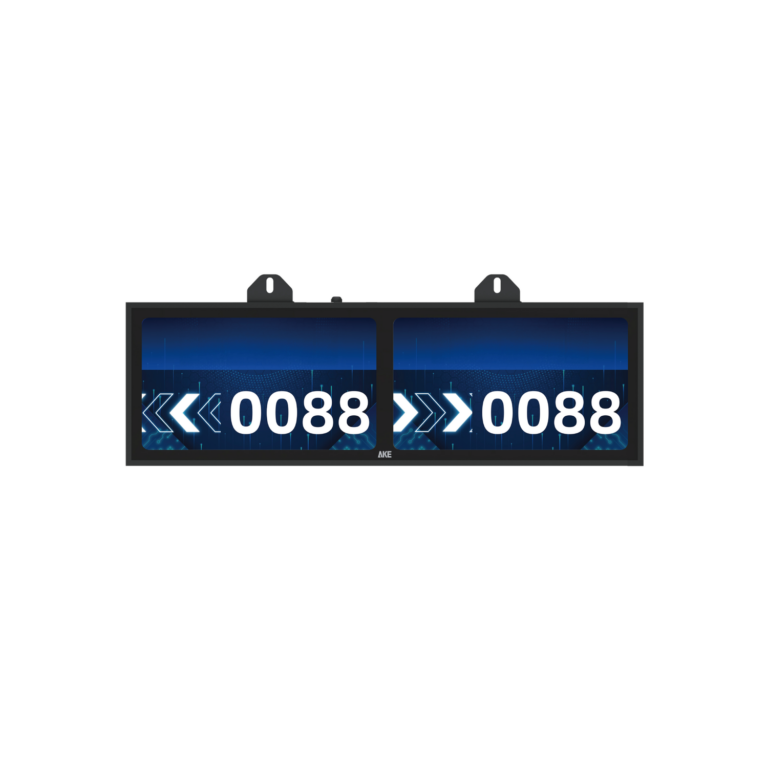
It must show real-time availability with honest data, point drivers to empty bays, and let staff fix problems fast. That means dependable sensors or cameras, an easy admin console, clear wayfinding (both digital and physical), and a display that drivers read from the lane. Pick tech that gives you accuracy over fancy features: a few wrong spot reports do more harm than a dozen bells and whistles.
Where it pays off — real-world anchors and proof
I’ve seen pilots in London and installs across the southwest where simple, rugged signage reduces traffic in and around the lot. From that work, and from installing led parking signs on multi-storey ramps, the pattern’s clear: clear visuals plus trustworthy sensing equals fewer complaints, faster turnover, and less patrol time. That combination is cited in transport trials and municipal reports, and it’s what separates a tinkered system from one you can trust.
Common mistakes people make
They skimp on sensor placement, choose cheap displays that fade, or bolt in a system that won’t talk to their payment or access control. Other errors: assuming every bay needs the same sensor, ignoring maintenance access, and commissioning without real-world load tests. Those mistakes bite later, with recurring calls and unhappy users.
How to choose without faff
Start with the problem: do you need turnover, long-stay tracking, enforcement, or disabled bays counted? Match scale to sensor choice — ultrasonic for small lots, camera or loop detection for bigger ones — and insist on open integrations (APIs, LPR, payment). Check uptime guarantees, local support, and upgrade paths. Ask to see live installs, request sample reliability stats, and demand a clear fault-repair SLA; those questions save you money and hassle.
What sensible installation looks like
Lay out signage so drivers spot guidance before they commit to a lane. Pair displays with a maintenance plan and firmware updates on a schedule. Train a couple of on-site folk to handle basic resets rather than waiting for a contractor. That practical approach keeps the system honest and serviceable.
What I recommend after the dust settles
Sort the basics first: clear guidance, honest sensors, and maintainable hardware. For installations I’ve seen through from planning to day-to-day use, the best outcomes come from vendors who build durable displays, document APIs, and stand by their installs — a style of delivery you’ll find with AKE Parking when you need a practical, no-nonsense solution that keeps things moving.