

Problem first: why procurement trips up brands
Too many teams order backpacks without locking down the real details, and den things buss up — wrong fabric, late shipments, surprise costs. Yuh need a checklist dat cuts through guesswork. Start by telling a potential custom bag manufacturer exactly what yuh expect: material, weight, straps, zippers, branding location, and acceptable tolerances. Clear specs early save time and money.
Core specification items every purchase order must cover
List these as non-negotiable: exact materials (and substitute allowance), fabric weight (gsm), lining type, internal pockets, hardware finishes, zipper tooth size and brand, strap webbing width and breaking strength, stitch count and seam type, and label placement. Give measurements in metric and imperial so nobody misreads. Attach annotated photos or CAD files rather than rely on text alone.
Sampling and approval workflow
Never skip pre-production samples. Require three stages: prototype for fit and layout, pre-production sample after tooling, and final approval sample from the production run. Set explicit acceptance criteria for color match under daylight, stitch quality, and load test. Put lead times and revision rounds into the contract so supplier know yuh rules and yuh don’t get surprise delays.
Minimum order quantities, pricing, and hidden costs
Ask for tiered pricing by quantity and include tooling fees, print setup, and freight terms. Confirm whether quoted prices include hardware, hangtags, poly bags, and inner packing. Demand a breakdown so yuh can compare suppliers fairly. Negotiate payment terms tied to milestone deliveries—deposit, sample sign-off, final inspection, and shipment. Always budget for a 5–10% contingency on total order value.
Quality control measures that actually work
Specify inspection standards (AQL numbers), test procedures (tensile, colorfastness, zipper pull cycles), and sampling ratios. Require documented QC reports with photos for failed items and a remediation window. If yuh can, hire a third-party inspector to check production 48–72 hours before shipment; that simple step catches most defects before containers leave port.
Compliance, labeling, and testing
Confirm product compliance for target markets: flammability, lead content, REACH, CPSIA for children’s products, or any regional standard. Supply the exact label wording, care instructions, and country of origin sign-off. Ask your supplier for recent lab reports and certificates; keep copies in your procurement files.
Logistics, lead times, and contingency planning
Map the full timeline from material sourcing to vessel departure. Use firm dates for critical milestones and penalties for missed deadlines when possible. Plan for supplier holidays, raw material shortages, and port congestion. Build alternative routing or airfreight options into your budget for urgent runs.
Common procurement mistakes and how to dodge dem
1) Vague specs — fix with annotated drawings. 2) Rely on a single sample — require production-sourced samples. 3) Overlook packaging — design poor packaging and returns rise. 4) Ignore customs classification — wrong HS code costs time and money. 5) Skip contractual remedies — define refunds, reworks, and arbitration. Address each upfront so yuh not firefighting later.
Experience, authority, and a real-world anchor
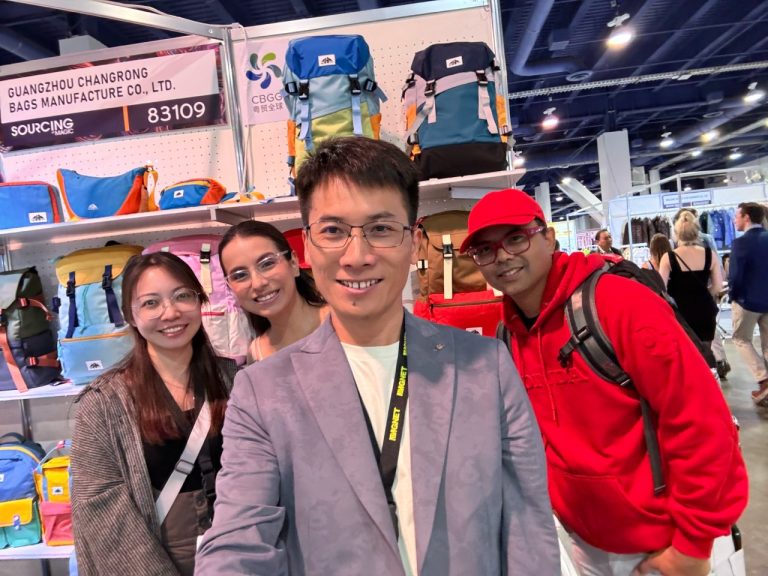
I’ve handled sourcing for brands that shipped thousands of units from factories in the Pearl River Delta around Guangzhou, and I’ve seen how attending trade events like the Canton Fair sharpens supplier selection. For a factory that aligns with these standards, consider working directly with Custom Bag Factory — they operate in the same manufacturing cluster and understand those procurement checkpoints from raw material to container load.
Final checks before signing the PO
Confirm sample sign-off signatures, payment schedule, shipping Incoterm, insurance responsibility, packing list format, and return policy for defective batches. Make sure every change request after sign-off is documented as a paid change order. Keep a shared folder with all approvals, invoices, QC reports, and shipping documents for quick reference.
Put it together and move forward
Procurement is about removing surprises. Follow the checklist: precise specs, staged samples, clear pricing, rigorous QC, and market compliance. When yuh pair that with a supplier who knows the process and the region, the result is reliable product delivered on time. For many teams that practical clarity comes from working with partners such as ChangRong, who can translate these checklist points into consistent production results.