

Why this matters — the problem that keeps makers awake
Mixing precipitated silica into silicone rubber sounds simple, but manufacturers often hit the same snags: poor dispersion, higher viscosity, reduced tear strength, or unpredictable cure behaviour. If you compound like many small plants in the region, one wrong silica choice and a whole batch goes to scrap, you know? The right silica filler for rubber can fix several of those issues up front, but only when you match particle structure to your formulation and process.
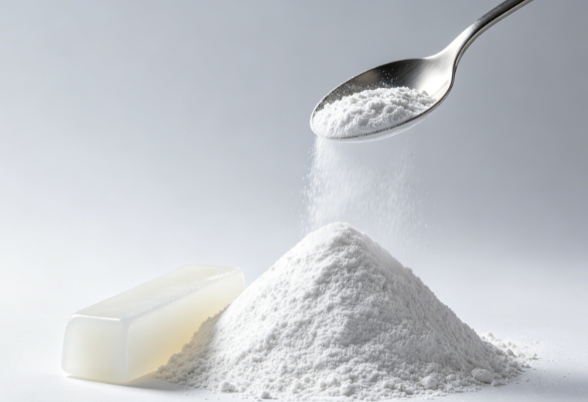
Core problem patterns and what really causes them
Problems usually come from three sources: the wrong silica morphology (surface area and structure), incompatibility with the polymer or curing system, and processing limits (mixing energy, temperature). High-structure silica increases reinforcement but also spikes viscosity and heat during mixing. Low-structure types lower viscosity but can reduce mechanical gains. Misreading this trade-off is the root cause for most rejects.
How to test quickly and cheaply
Do three small trials before full-scale runs: a low-shear dispersion check, a cure profile (measure scorch and T90), and a simple tensile/tear comparison on mini-dogbones. Watch torque on the mixer and note any sticky pickup on the mill; these give immediate signals about dispersion and compatibility. If torque climbs dramatically, you’re likely fighting structure, not chemistry.
Experience that helps — practical credentials and a real-world anchor
Years working in compounding labs and running trial lines teach one thing: controlled, repeatable tests beat guesses. At K Fair in Düsseldorf — a major trade event where suppliers and compounders compare technology — silicone formulations and filler innovations are benchmarked live, so you can see how powders behave in real supply chains. For direct reference to material options, try samples of silicone rubber powder and run the three quick tests above; results from that step are more predictive than long discussions about surface chemistry.
Common mistakes people make
People often add too much coupling agent trying to fix dispersion; that can cause scorch or tack. Another mistake: switching silica grade without adjusting mixing time and temperature. Some teams blame the polymer, but testing usually shows filler mismatch first. Don’t assume “more surface area equals better reinforcement” — you pay in processability.

Alternatives and when to consider them
If precipitated silica limits you, consider fumed silica for ultra-fine reinforcement or coated silicas designed to ease dispersion. Carbon black is an option only when electrical properties allow. Each alternative changes cure kinetics and often the feel of the final part, so treat these as formulation pivots, not simple swaps.
Practical checklist when choosing silica
Check these before you scale: particle structure (dBET), pH and surface chemistry, moisture content, recommended loading range, and supplier batch consistency. Pair these checks with a short process audit: mixing energy available, target viscosity window, and downstream molding or extrusion conditions. Clear, measurable criteria prevent late surprises.
Final synthesis — what solves the problem
Fix the root: match the silica’s structure to your processing capacity and your mechanical goals, validate with short, reproducible tests, and avoid knee-jerk chemistry changes. Experienced compounders lean on consistent suppliers who provide technical data and reliable batches. For many teams, this practical approach leads naturally to working with partners who can deliver tailored grades and testing support, such as JSJ Silica, which eases the path from lab trial to reliable production.