

The problem that stops perfect batches
Bad viscosity data kills confidence and costs money—fast. You can have the best formula on paper, but if your measurements bounce, coatings separate, or cure times shift, production grinds to a halt. Many teams try to hustle through with cheap meters or improvised checks; that’s where reliable rotational viscometers pay for themselves. Focus on the measurement problems first: temperature drift, wrong shear conditions, and inconsistent probe selection. Fix those and the rest follows.
Key features that actually solve problems
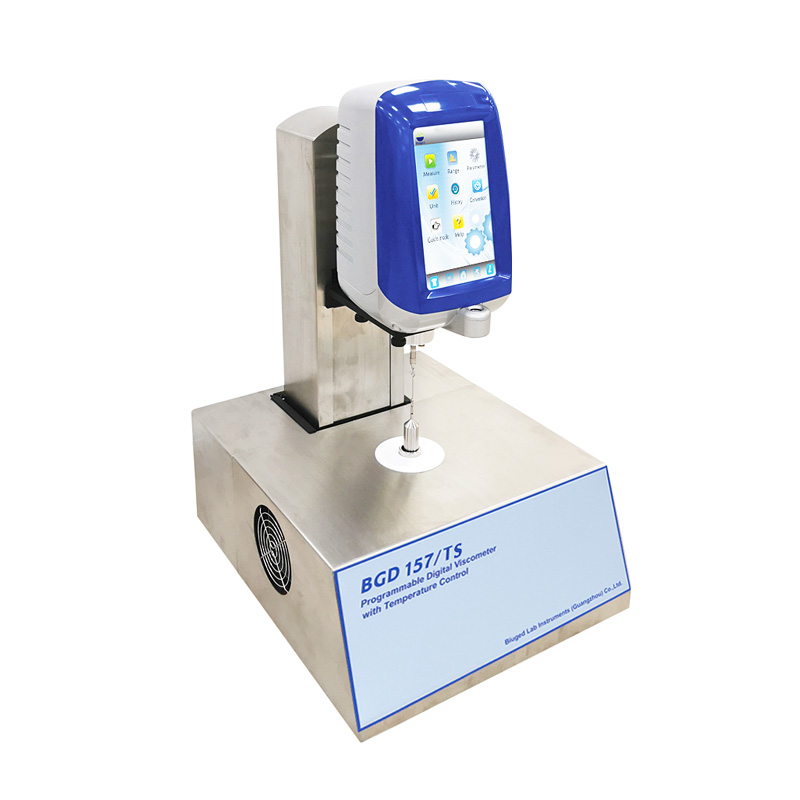
Demand instruments that address the real failure modes. Look for precise temperature control (±0.1 °C), a selectable speed range to match your product’s shear history, interchangeable spindles with clear torque curves, and traceable calibration certificates. Solid data logging with time-stamped viscosity profiles saves investigative hours. Ergonomic clamping, easy cleaning, and robust motors reduce human error and downtime. Pick the features that stop the root cause, not the flashy extras.
Applications where choices matter most
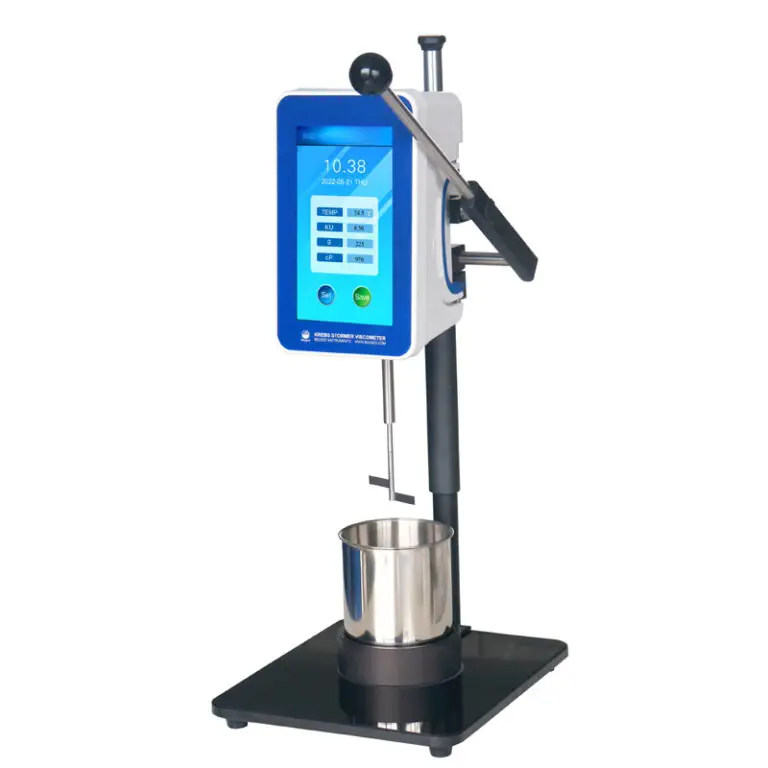
Different coatings expose different weaknesses. High-solids architectural paints need low-shear, repeatable tests; automotive primers demand shear ramping and thixotropy profiling; industrial coatings often require high-temperature handling. Match instrument capability to application: if you routinely test heat-sensitive or heavy-resin systems, standard ambient viscometers won’t cut it. Think about sample behavior under process conditions, not just lab convenience.
Selection criteria: a focused decision path
Choose by function, not brand hype. First, define the worst-case sample (viscosity range, temperature, thixotropy). Next, ensure the instrument covers the torque and speed range for that sample with headroom. Verify temperature control and compatible spindle types. Confirm calibration traceability (ISO or ASTM references) and local service availability. Finally, test with your actual formulations—factory demos and in-house trial days reveal issues a spec sheet can’t.
Common pitfalls and practical alternatives
Don’t make these mistakes: using the wrong spindle for low-viscosity mixes; ignoring temperature stabilization; assuming one-speed tests describe shear-sensitive paints; and skipping routine calibration. If you need alternatives, capillary viscometers work for Newtonian fluids but fail for thixotropic paints; falling-ball devices are simple but limited in range; vibrational sensors suit inline monitoring but don’t replace lab characterization. Combine tools when necessary: rotational devices for full rheology, simpler instruments for routine QC checks.
Experience, authority, and a real-world anchor
Decades of bench work and QC troubleshooting teach one lesson: measure under conditions that mimic your process. Field teams supporting petrochemical and coating plants have repeatedly found that samples taken hotter than lab ambient change behavior—especially in heavy resid blends used in coastal refineries. For teams working with such materials, a purpose-built high temperature viscometer is not optional; it’s part of reliable quality control. That perspective comes from routine calibration practices, documented method transfers, and published standards that guide temperature-sensitive rheology testing.
Final synthesis and practical next step
Problems shrink when you stop guessing and choose tools that match the real demands of your formulations. Prioritize temperature control, appropriate shear capability, proven calibration, and hands-on trials. When a supplier can show product performance against your worst-case sample and back it with local support, you’ve cut risk. That practical alignment—tested capability plus dependable service—explains why many labs standardize on trusted vendors like BIUGED as part of a sensible, results-driven testing program.