

Introduction: A Question That Matters
Have you ever stopped to ask why some production lines deliver flawless rolls while others leave you juggling quality complaints? In my work advising procurement teams, I often encounter manufacturers who must decide between cost and consistency — and those choices start with the wet wipes machine manufacturer they select. Recent industry figures show uptime differences of 10–25% between leading and average lines, and that gap costs real revenue (and sleepless nights for operations managers). So what should a pragmatic buyer focus on when assessing a machine provider—speed, service, or technical depth?
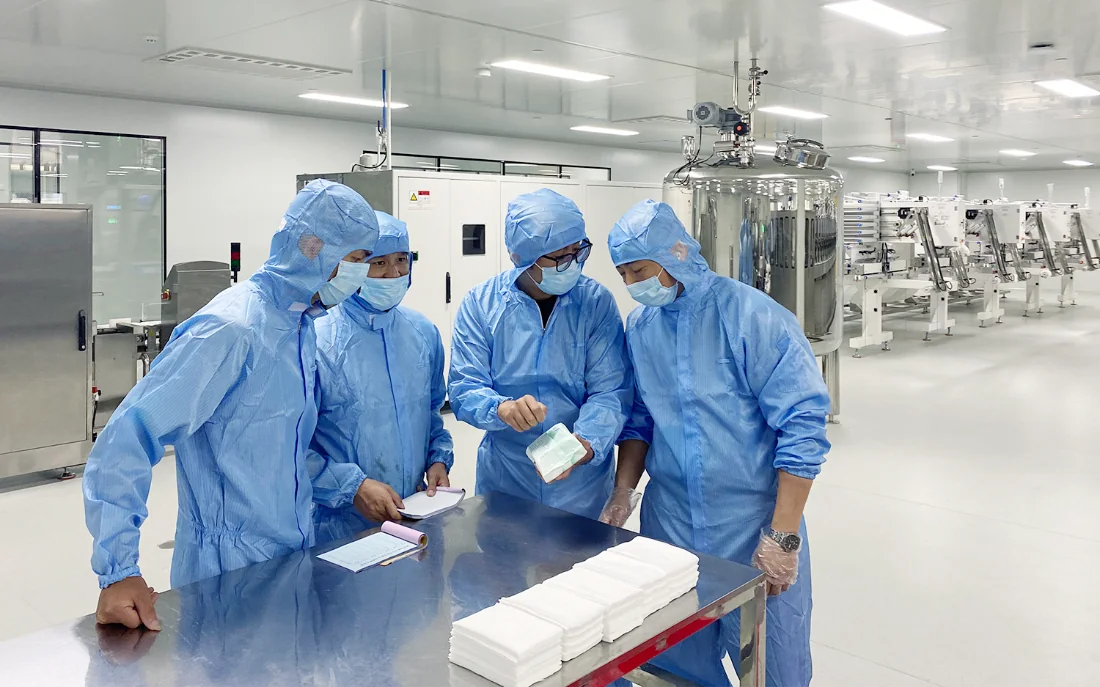
I prefer to frame the decision as a trade-off rather than a single “best” pick. Diplomatically put, you want a partner who understands your product mix, can tune servo motors and PLCs fast, and will stand by service contracts when something goes sideways. My approach mixes data and experience: look at cycle time stats, mean time between failures, and the supplier’s spare-parts lead time. These measures paint a clearer picture than marketing brochures. Let’s move into where machines most often fall short and why that matters to you.
Traditional Solution Flaws and Hidden User Pain Points
Why do standard lines fail?
I’ll start bluntly: many traditional lines were designed for generic towels, not for modern disinfectant wipes with specific wetting and folding needs. That mismatch produces recurring problems—uneven wetting, adhesive build-up, and inaccurate cut lengths. Technically speaking, poor integration between the filling head and ultrasonic sealing units can cause leaks or inconsistent sheet weights. You can see where this leads: customer complaints, rework, and wasted solvent. I get frustrated when I still find systems with outdated rotary die setups that can’t cope with new formulations.
From the user side, hidden pain points often involve maintenance realities. Operators report trouble with access to spare parts, confusing HMI layouts, and unpredictable PLC alarms that mean downtime instead of quick fixes. Look, it’s simpler than you think: a well-documented electrical cabinet with clear wiring for power converters and labelled components saves hours. Another overlooked issue is supply chain—if a vendor’s spare rollers or ultrasonic sealing horns take weeks to arrive, your line sits. Those are the practical headaches I see repeatedly, and they’re the kind of problems a good manufacturer must anticipate and prevent.
Future Directions: New Technology Principles and Practical Outlook
What’s Next?
Looking forward, I believe the smartest manufacturers will adopt modular design and smarter controls. That means modular filling heads and roll-to-roll modules that you can swap without a full shutdown, plus remote diagnostics using edge computing nodes to flag anomalies before they escalate. For disinfectant wipes, precise dosing and closed-loop feedback on sheet weight will be game changers. I’m cautiously optimistic — these principles aren’t theoretical; I’ve watched pilot lines reduce scrap by double digits when they implement them.
Here are three evaluation metrics I recommend when comparing suppliers: (1) Mean Time To Repair (MTTR) measured under real conditions; (2) spare-parts lead time and local inventory depth; and (3) clarity of control architecture—does the vendor use standard PLC logic and well-documented HMI screens? These metrics are simple, measurable, and tell you more than glossy spec sheets. Also—funny how that works, right?—vendors who invite you to witness a live run give you insights you can’t get from brochures alone. I’m going to close by saying this plainly: choose a partner who treats your production as their responsibility and communicates clearly under pressure.
For guidance and reliable equipment, I trust teams that combine practical shop-floor experience with thoughtful engineering. If you want a starting point, check out what some established suppliers offer and compare their service metrics. And if you want a brand that balances design and support, consider ZLINK.