

Real-world friction: what breaks when processes aren’t crisp
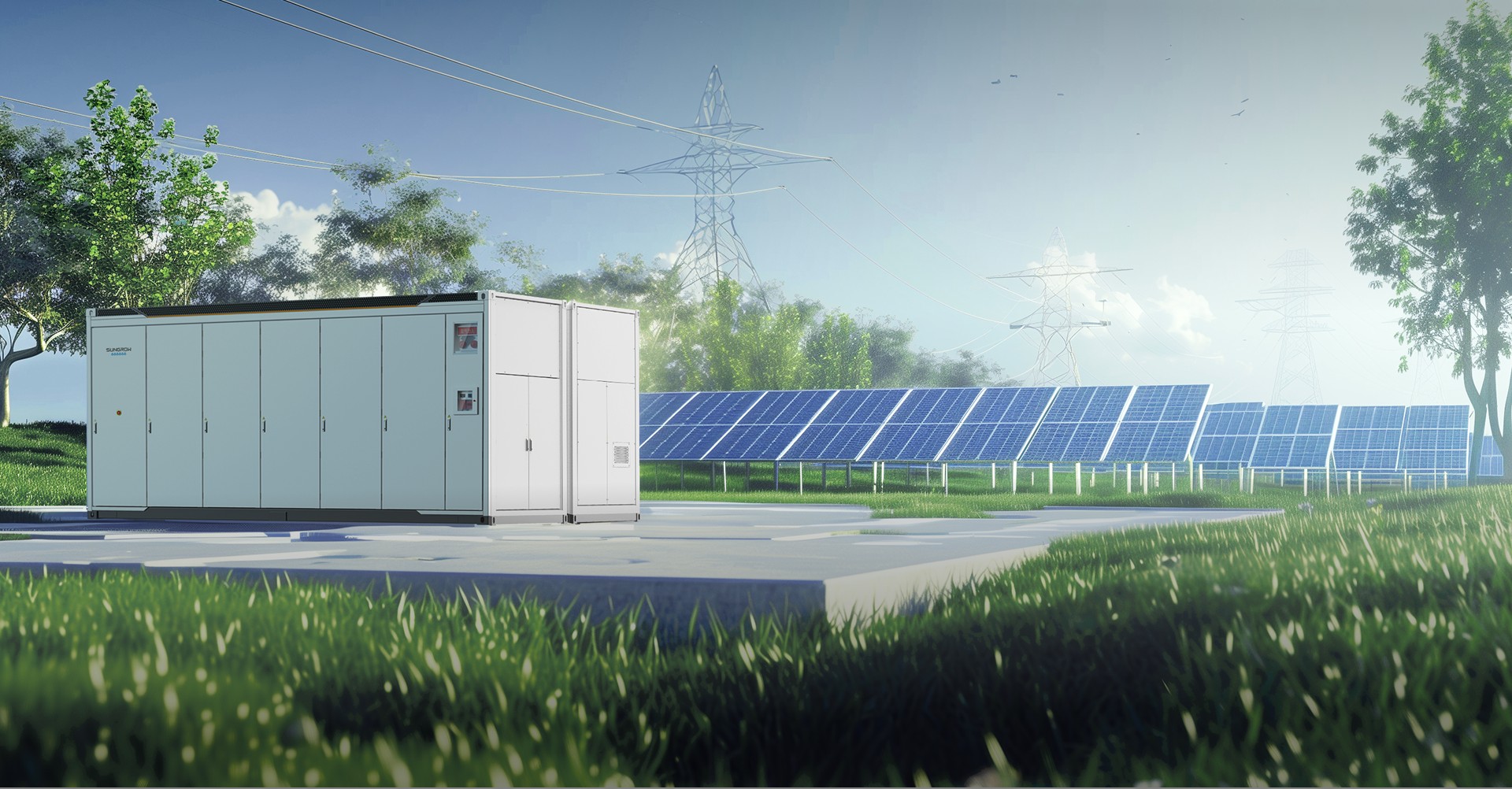
I remember standing on a concrete pad outside Amarillo in March 2021, watching technicians wrestle with a 50 MWh BESS whose inverter logic kept tripping under high temperature — I logged a 30% drop in available capacity that week, so why did our controls allow that gap? Early on I learned that properly designed utility scale battery storage systems still fail not because cells are bad but because people and processes are misaligned (no kidding). I’ll be direct: the traditional fixes — larger capacity, more redundancy, manual overrides — mask systemic issues rather than remove them. From my point of view as a consultant with over 15 years in grid-scale storage, two recurring flaws show up: unclear commissioning checklists and weak state-of-charge (SoC) rules that let systems drift into unsafe or underperforming ranges. Those flaws translate to missed revenue (frequency regulation bids lost), accelerated cycling wear, and, occasionally, site shutdowns during peak demand. I’ve seen a single misconfigured SoC window cut expected lifetime by 8–12% over five years on a Nevada solar-plus-storage site in 2019.
What’s breaking behind the scenes?
Deeper pain points operators overlook
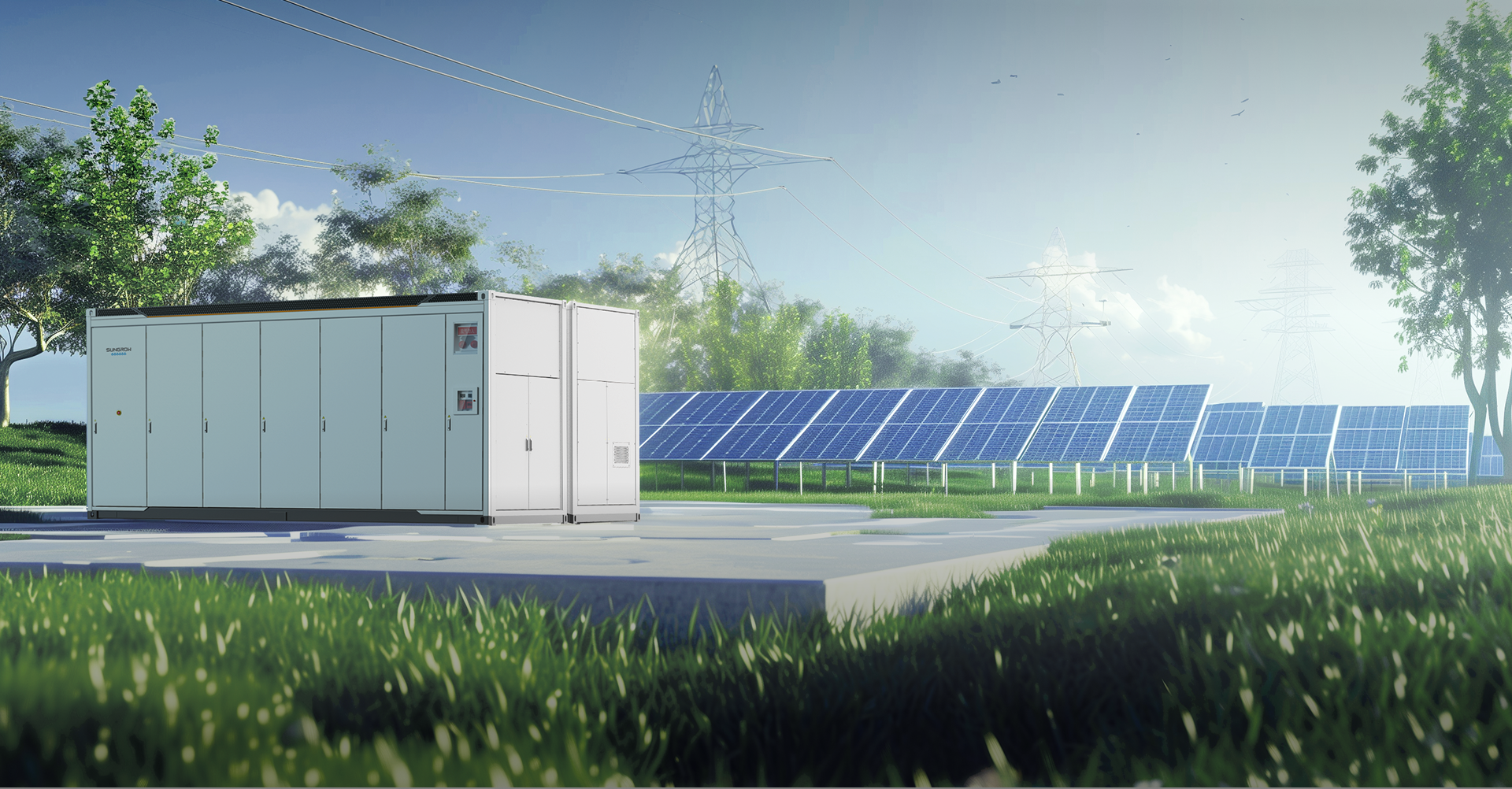
I keep finding three hidden pain points that vendors and procurement teams undervalue. First, handoffs between procurement, commissioning, and operations are often verbal or buried in PDF — that creates inconsistent test acceptance and unrecorded deviations. Second, control-layer assumptions about inverter behaviour under rapid dispatch differ by manufacturer; without standardized test scripts you get unpredictable SoC swings. Third, maintenance windows are scheduled as single-day events, which ignores thermal recovery times and leads to repeated faults. I recall a case where postponing firmware validation by two weeks (a small delay) meant controllers were shipped into winter with an old rule set — the consequence was 18 event-triggered discharges in the first month, causing surprise warranty claims and a messy vendor dispute. Those are the practical, solvable matters that procurement teams must face. Let me guide you through fixing them — next, I’ll compare how to choose the right controls and contracts…
Technical pathways forward: standardize, measure, and decide
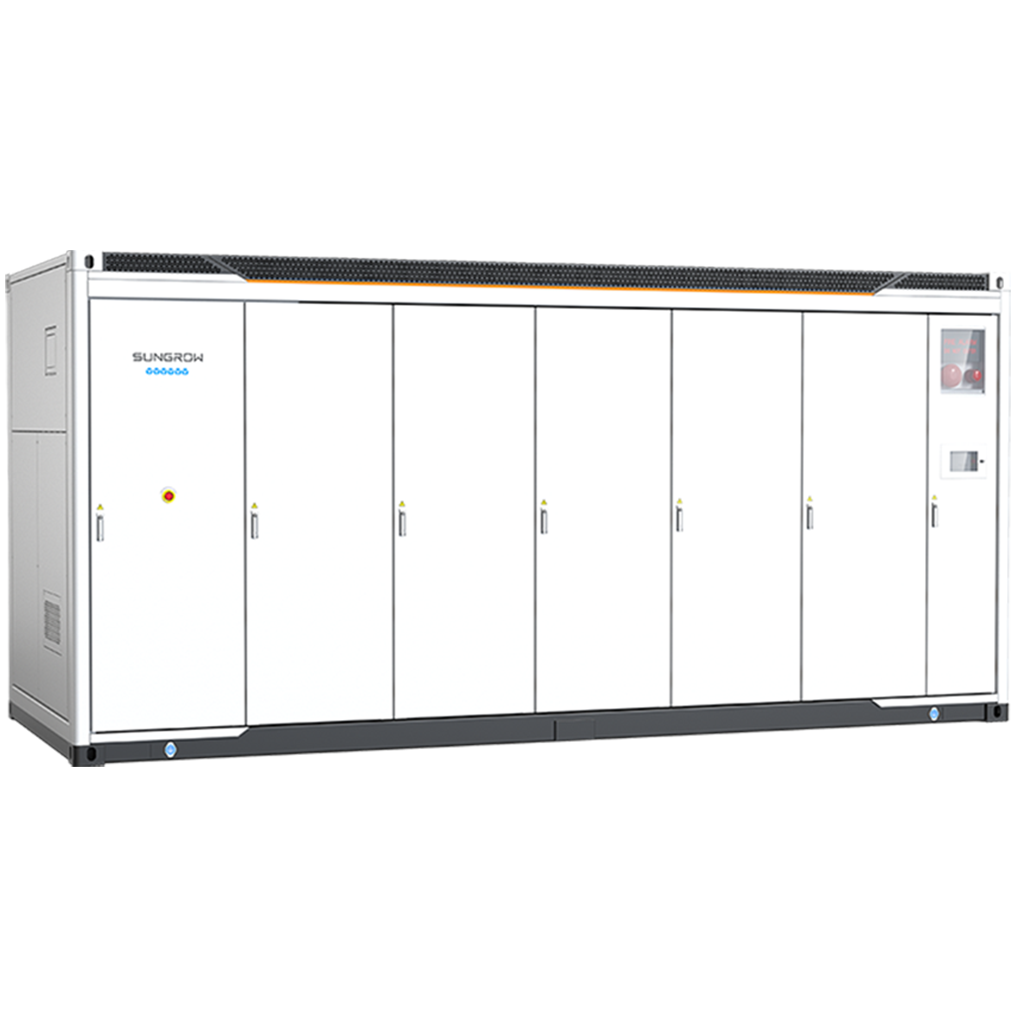
Now I change pace and sharpen the lens. If you want durable results from utility scale battery storage systems, start by codifying acceptance tests and measurable KPIs. I recommend three evaluation metrics you can act on: (1) standardized commissioning pass rates — track the percentage of sequences that pass first-time without vendor fixes; (2) SoC conformity windows — percentage of time SoC remains within agreed bands during peak events; (3) thermal-recovery adjusted maintenance uptime — planned downtime that accounts for cell and inverter cooldown to avoid repeat faults. Measure these quarterly. I’ve implemented that approach for a midwestern grid operator and we cut unexpected downtime by nearly half within six months — the methods were systematic, not heroic. Compare proposals by their test scripts, not glossy specs; compare warranties by failure-mode coverage, not simply years. We must include lifecycle cost modeling (MWh throughput, inverter replacement cadence), and—yes—human procedures: training, shift handoffs, and a clear escalation tree. This is my pragmatic recommendation: marry technical tests with human-process audits, and don’t accept vague guarantees. Small note — expect some friction at first. That friction signals the right questions.
In closing: evaluate candidates against the three metrics above, insist on documented commissioning scripts, and require vendor commitment to operational training — these steps reduce surprises and preserve asset value. For those choosing a partner, weigh demonstrated test outcomes over marketing claims. I’ve lived through the messy audits and the clean handovers; I trust disciplined processes more than promises. For practical procurement and operational templates, reach out to teams doing the work — like those at sungrow.