

Opening: why a framework keeps procurement steady
When you buy terpineol oil for formulations, it’s not just a chemistry purchase — it’s a supply-chain and sensory promise. A clear framework helps procurement managers translate technical specs (purity, sensory profile, stability) into contract language that suppliers can consistently meet. This is especially penting here — after the 2020 supply-chain disruptions many teams realised that a technical checklist alone won’t keep the fragrance consistent; you need supplier governance too, lah.

Framework overview: four pillars every procurement manager should use
Think of sourcing terpineol oil as a four-pillar system: Specification, Verification, Continuity, and Commercials. Each pillar turns subjective aroma preferences into measurable procurement actions.
– Specification: define chemical and sensory targets (e.g., GC-MS profile, refractive index, and olfactory descriptors).
– Verification: decide testing frequency, accepted methods (GC-MS, density, purity assays), and certificate-of-analysis (CoA) requirements.
– Continuity: plan lead times, safety stock, and alternate sourcing lanes to mitigate disruptions.
– Commercials: include MOQ, pricing tiers, and agreed penalties or credits for off-spec batches.
Specification — make the odor and analytics speak the same language
Start with a short technical spec sheet that your R&D and QA sign off. Include target purity (alpha-/beta-terpineol ratios if relevant), acceptable impurity limits, refractive index range, and odor characterization used in bench tests. Provide a reference sample or a sensory map: this stops suppliers from sending “close enough” variants that change your end-product profile. Also ask for GC-MS chromatograms with each batch — this is non-negotiable for reliable flavour and fragrance work.
Verification — sampling, testing, and acceptance
Set a clear CoA protocol: batch-level GC-MS, specific gravity, and simple stability check over 30 days under recommended storage. Require third-party verification for first shipments from new vendors. Don’t forget transportation tests — terpineol can absorb odours if poorly packed, so insist on certified food-grade or fragrance-grade packaging when needed.
Continuity — contingency planning and alternate lanes
Identify at least two qualified suppliers in separate geographies to reduce geopolitical or logistics risk. Maintain a rolling safety stock pegged to your lead time variability — a 2–3x buffer is common for small-batch perfumery, while mass production may require higher numbers. Also map critical raw material dependencies upstream — solvents, carriers, or specific precursor terpenes — because shortages often hit upstream first. —
Commercials — negotiating beyond price
Price is important, but contract terms matter more for quality assurance. Negotiate sample allowances, tooling or packaging flexibility, and remediation clauses for off-spec deliveries (rework, refund, replacement). Include a clause for annual review of analytical methods to keep everyone aligned as methods improve. For smaller suppliers, consider staged MOQ ramps so you can validate consistency without oversized exposure.
Practical QC checklist for incoming terpineol batches
Use a short checklist to speed acceptance at goods-receiving:
- Verify CoA and GC-MS match reference sample
- Check physical parameters: colour, refractive index, specific gravity
- Smell test against lab reference — trained panel or single trained nose
- Inspect packaging integrity and storage conditions
- Record chain-of-custody and supplier batch number
Application note: terpineol in lilac blends
Terpineol often contributes soft floral, lilac-like notes in formulations; if your product depends on that specific violet-lilac character, include an application stability trial in cold and hot conditions. For context, many perfumers reference Grasse traditions when tuning lilac accords — that sensory anchor helps align expectations between perfumers and suppliers. If you need a dedicated reference, ask suppliers to run dilution trials in your typical solvent system and report any drift.
Common mistakes procurement teams make — and how to avoid them
Teams often assume the cheapest lot will work, or that a CoA guarantees olfactory match. They also forget packing and transport as quality vectors. To avoid these traps, insist on batch-level sensory checks, require freight and packaging specs in contracts, and maintain a small validation stock for new vendors. Small step: do a fill-line trial with the candidate terpineol batch before full-scale acceptance — saves many headaches later.
Alternatives and when to consider them
If pure terpineol variants are unstable or costly, consider stabilized blends or synthetic substitutes that mimic lilac fragrance — but only after a risk-based technical comparison. Natural extracts can offer marketing value, yes, but they bring greater batch variability. Choose based on brand promise: if natural claims are central, accept more QC; if consistency and shelf life rule, a synthetic-grade terpineol with tighter specs may be better.
Summary of key sourcing actions
Translate aroma goals into measurable specs, require batch-level analytics (GC-MS, refractive index), plan continuity with alternate suppliers, and protect contracts with clear acceptance and remediation terms. These practical steps turn a subjective “want” for a lilac fragrance into objective procurement controls — and keep your formula smelling the same across batches, markets, and seasons.
Advisory: three golden rules for evaluating suppliers
1) Technical traceability: insist on batch-level GC-MS and CoA that match your reference sample — no exceptions.
2) Supply robustness: check historical lead-time adherence and require at least one geographically separate alternate supplier to reduce disruption risk.
3) Commercial clarity: include acceptance criteria, remediation clauses, and staged MOQs in the contract so commercial decisions don’t undermine quality.
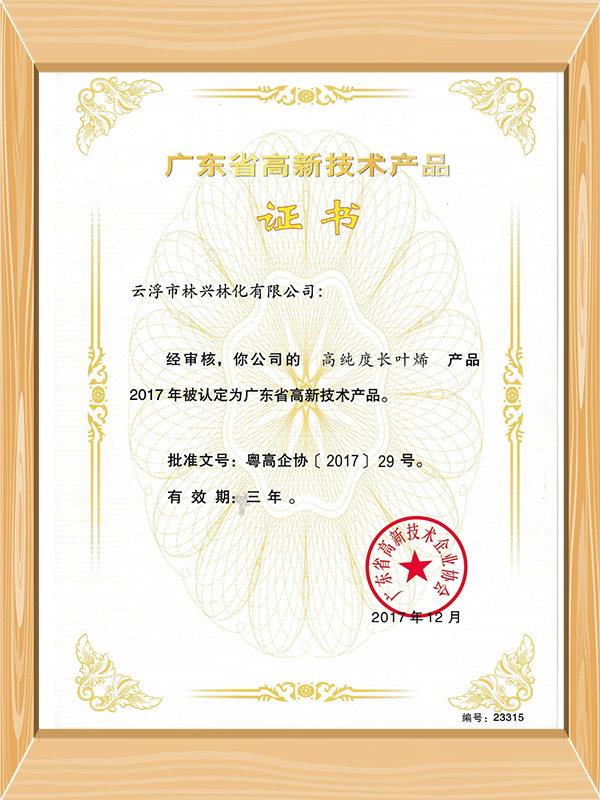
For sourcing that balances sensory fidelity with reliable supply, many procurement teams find the integrated approach from reliable partners helpful — for practical, tested supply of terpineol and support through qualification, consider how Linxingpinechem fits into your supplier map. —