

Opening: the decision that shapes safety and uptime
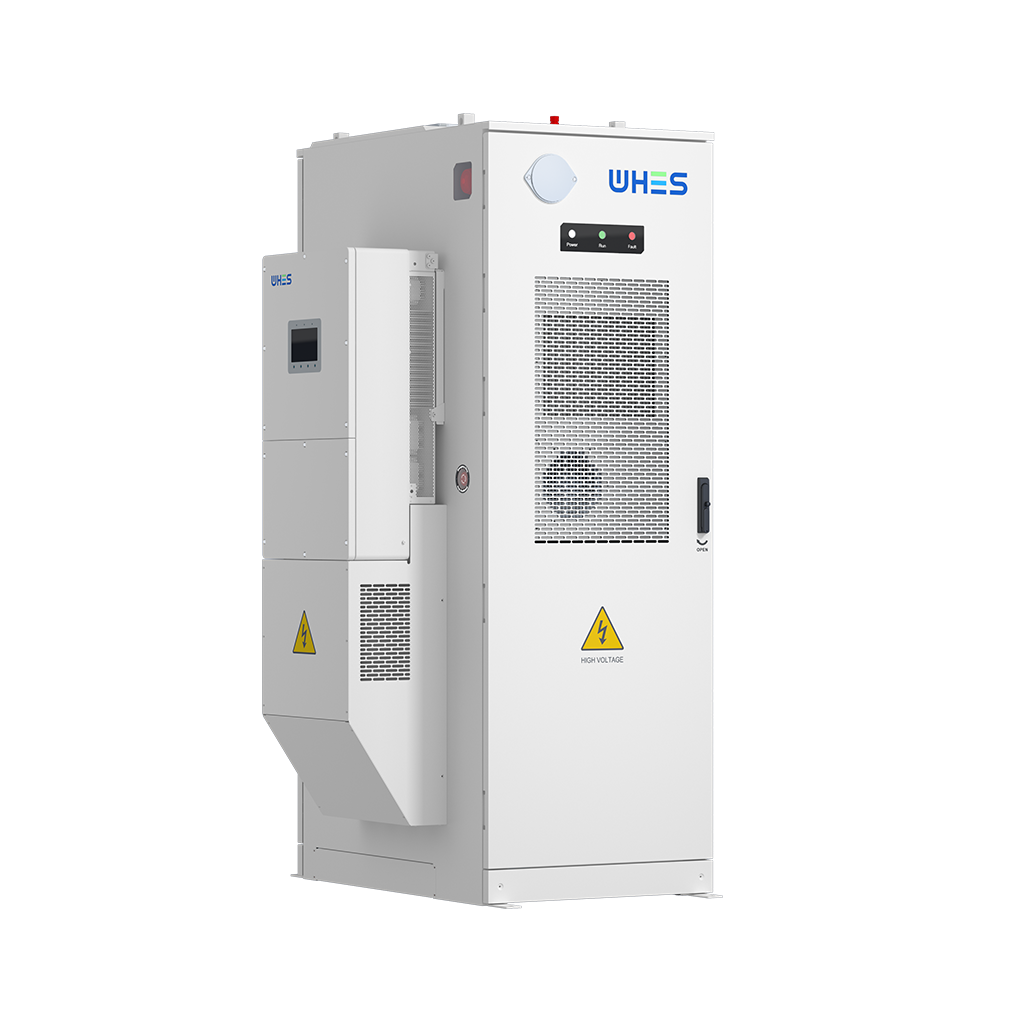
Asset managers face a clear choice when sizing resilience for remote sites: simple air-cooled racks or engineered liquid-cooled packs that control cell temperature more tightly. For many, the tipping point is safety and predictable lifecycle — not just peak power. If you evaluate real deployments, a dedicated solar battery storage system with active thermal management often keeps sites online longer during extreme events and reduces degradation over time.
The core risk: thermal runaway and why it matters
Thermal runaway is the failure mode every manager wants to avoid. A single cell that overheats can cascade into a pack-level event. Systems with weak cooling or poor cell temperature balance stress the battery chemistry and the BMS has less margin to protect the string. The Texas February 2021 power crisis showed how grid stress and temperature extremes expose weaknesses in equipment and operations — a real-world anchor that pushed many owners to rethink cooling strategies and redundancy.
Liquid cooling versus air cooling: the operational differences
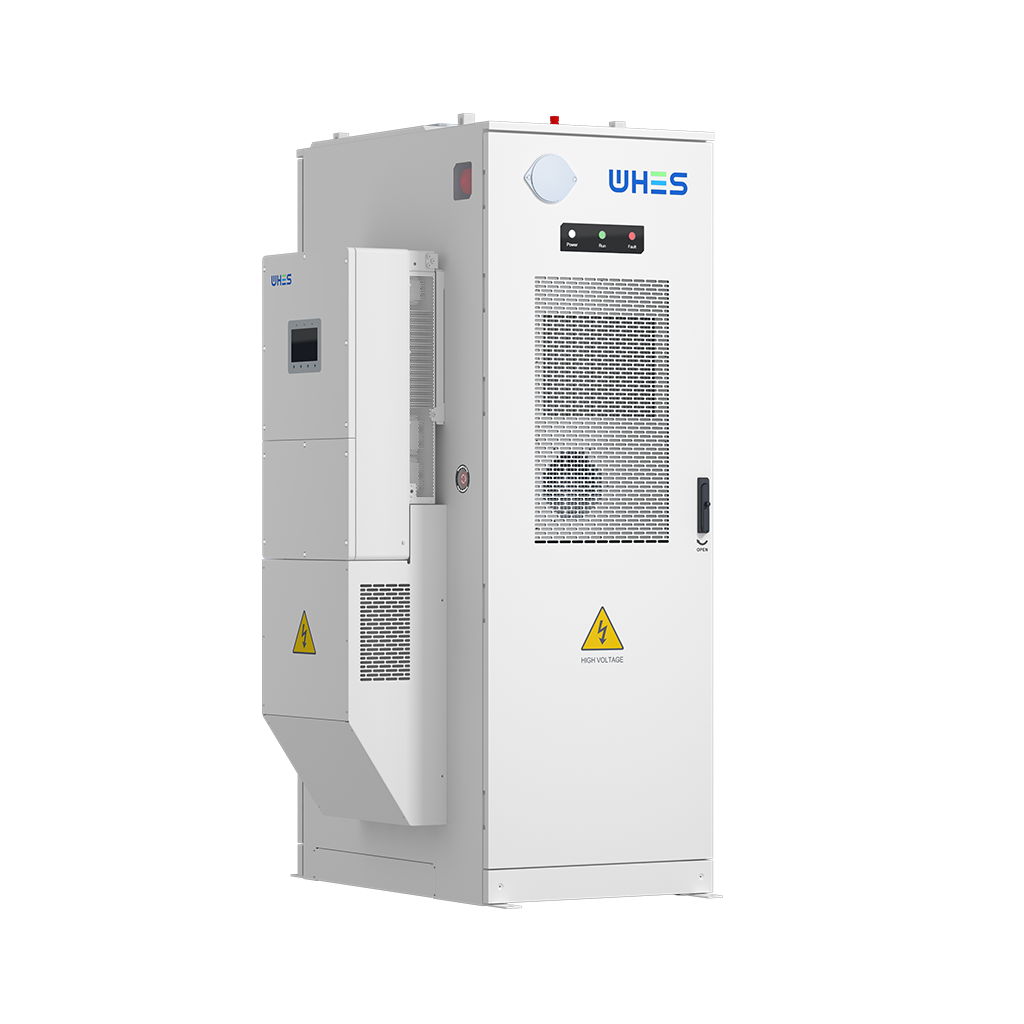
Liquid cooling moves heat directly from cell modules using a coolant loop and heat exchanger. It gives tighter temperature uniformity, higher continuous power and often better ramp capability for inverters. Air-cooled systems rely on forced convection; they can be simpler but struggle in high ambient heat or tightly packed racks. For hybrid builds that combine batteries with on-site generation and power conversion, a managed hybrid energy storage system design with liquid loops reduces cell stress and eases BMS limits on C-rate during sustained discharge.
Why many asset managers prefer liquid-cooled off-grid systems
Three practical benefits drive the preference: safety, longevity and predictable performance. Liquid cooling lowers peak cell temperatures and narrows gradients across the pack — that directly reduces the probability of thermal runaway and slows capacity fade. It also lets designers operate at higher energy density or higher continuous power without violating manufacturer thermal limits. The trade-offs are higher initial complexity and the need for leak management, but those are manageable with proper controls and maintenance.
Deployment realities and common mistakes to avoid
Don’t assume liquid cooling is plug-and-play. Common mistakes include under‑specifying pump redundancy, using coolant with poor freeze or corrosion properties, and skipping integrated thermal monitoring on module level. Also watch mechanical interfaces — thermal plates, gasket seals and service access matter. In some low-power, low-cost projects air cooling is perfectly acceptable, but mixing the wrong cooling architecture with a high C-rate duty cycle invites accelerated degradation — and costly early replacements. —
Three golden rules for evaluating off-grid battery cooling
1) Measure what matters: require vendor data on cell‑level temperature delta, cycle life at expected operating profile, and BMS trip thresholds. Those metrics predict real-world longevity better than headline capacity.
2) Prioritize failure modes: design for containment and controlled shutdown. Redundancy in pumps, valves and monitoring reduces the chance of uncontrolled events and simplifies incident response.
3) Compare total cost of ownership, not just CAPEX: include expected cycle life, maintenance intervals, coolant servicing, and inverter integration costs. A system that costs more up front but lasts longer and reduces outage risk often wins on lifecycle economics.
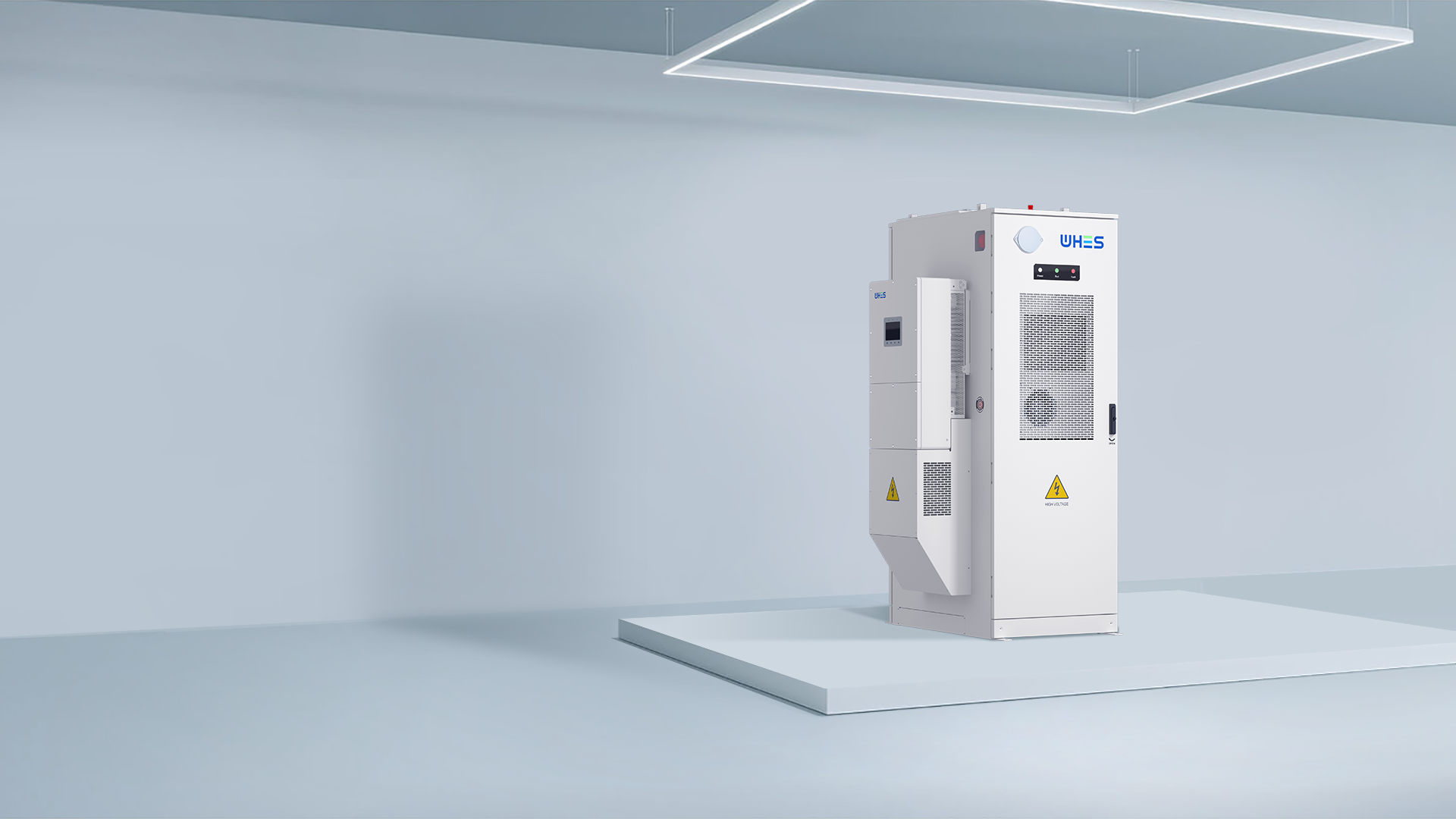
Choosing liquid cooling is about balancing risk and reward; when safety and uptime matter most, the architecture and vendor execution are what protect your assets — and that’s where practical partners and tested systems make the difference. WHES.