

Introduction
I was sitting in a small clinic last winter when a patient told me she felt ten years younger after a few sessions—an anecdote that stuck with me. The device in question was a red light bed, and recent clinic data shows a rising number of people trying it for muscle soreness and mild skin issues (nearly 35% year-over-year growth in wellness clinics). So, what exactly is working behind the glow, and which parts are real benefits versus hype?

This matter matters because many of us try new therapies hoping for clear outcomes: reduced pain, firmer skin, faster recovery. I want to unpack that without the fluff—straight talk about what red light beds do, what they don’t, and where users get the best results. Let’s move into the deeper issues that often hide behind glossy marketing.
Why Traditional Approaches Fall Short
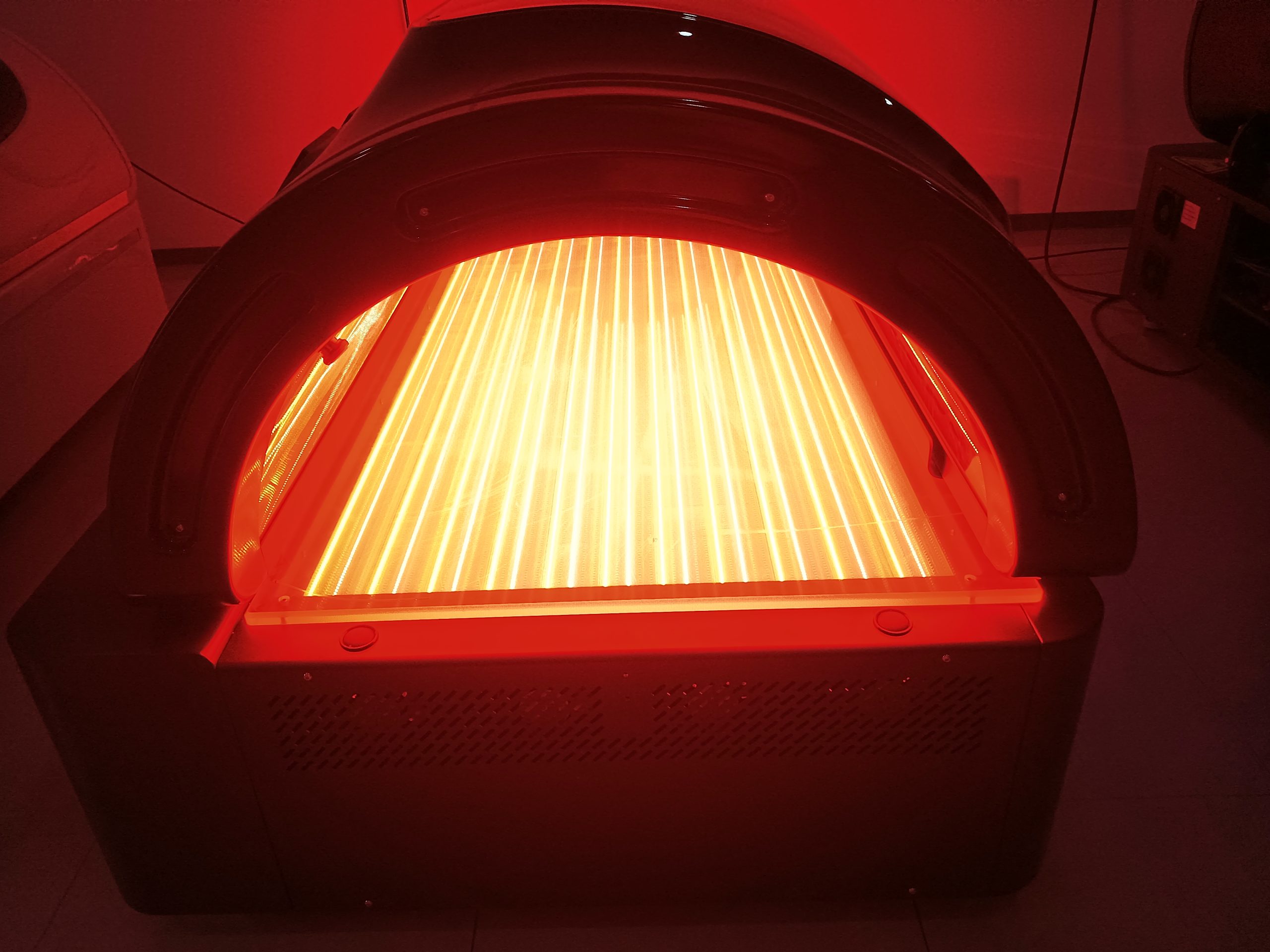
collagen bed therapy has been positioned as an easy fix for aging and tissue repair, but we—clinicians and users—often bump into the same limits. Technically speaking, many systems put out inconsistent wavelength ranges and uneven irradiance across the LED array. That means some skin zones get effective photobiomodulation while others get underdosed. I’ve seen devices that advertise power specs but fail at even light distribution. Look, it’s simpler than you think—if you don’t hit the right wavelength and dose, the biological response is muted.
Here’s the problem in clinical terms: tissue repair depends on correct wavelength, pulse rate, and exposure (dosimetry). Many traditional red light setups ignore thermal management and rely on basic power converters that cause voltage drift—so what starts as a 660 nm beam can shift slightly under load. The result: uneven collagen stimulation and mixed outcomes for patients. Users also report awkward sessions—long times under heat, difficulty monitoring progress, and no clear protocol to follow. That’s a recipe for disappointment, and it explains why some people quit after two sessions. — funny how that works, right?
What’s the most common technical flaw?
In one sentence: inconsistent dosimetry and poor LED array design. That kills repeatability in results and undermines real user trust.
New Technology Principles and a Practical Outlook
Moving forward, the solutions rest on clearer engineering and better user guidance. New device principles emphasize stable wavelength control (660 nm for superficial collagen, 850 nm for deeper tissues), precise irradiance mapping, and closed-loop power systems so the output stays constant. When I evaluate a unit, I watch for controlled photobiomodulation parameters and robust thermal design—these are not flashy specs but they matter most. I’m optimistic: emerging designs combine smart sensors and simple user apps to guide dosimetry in real time.
Take a practical case: a pilot clinic replaced older units with beds that report irradiance and session logs via a simple dashboard. Patients followed tailored protocols; recovery time dropped and satisfaction rose. The change wasn’t magical — it was predictable engineering plus clear instructions. We also found fewer complaints about heat build-up because units used improved power converters and better heat sinks. The takeaway? Better hardware and clearer protocols yield measurable improvements (and happier users). — yes, measurable.
Real-world next steps
For anyone picking a red light solution, I recommend three quick metrics to compare options: (1) Wavelength accuracy and range—look for specified nm bands and consistency; (2) Irradiance uniformity—does the LED array provide even coverage across the surface?; (3) Session feedback and dosimetry—can the device report or guide exposure times and power? These three provide a practical shortlist you can use today. If you want deeper reviews or clinic-grade setups, I can walk you through specific models and what to test in person.
In closing, I believe the technology can deliver real benefits when engineers focus on consistency and clinicians offer clear protocols. This is not about chasing buzzwords; it’s about matching physiology with reliable light delivery. For trusted equipment and implementation insights, consider exploring options from Magique Power.