

Introduction
I remember walking into a small Southern shop where a lathe hummed like an old dog on a porch — steady, familiar, and stubborn. Around that bench were a handful of folks who build parts, fix machines, and sweat the little things: tool wear, downtime, and the bills that come with surprises. CNC equipment manufacturers are hearing those same stories more and more; industry reports say shops that adopt basic connectivity cut reactive downtime by up to 30% (yes, real numbers). So I asked myself: what are we missing when we talk about upgrades and “digital transformation” — and who actually benefits? Let me tell you, I’ve seen the wins and the flops, and the answer’s not always what vendors promise. This leads us straight into the tougher questions about old fixes and new promises — stick with me as we dig in.
Hidden Flaws and User Pain Points in Existing Solutions
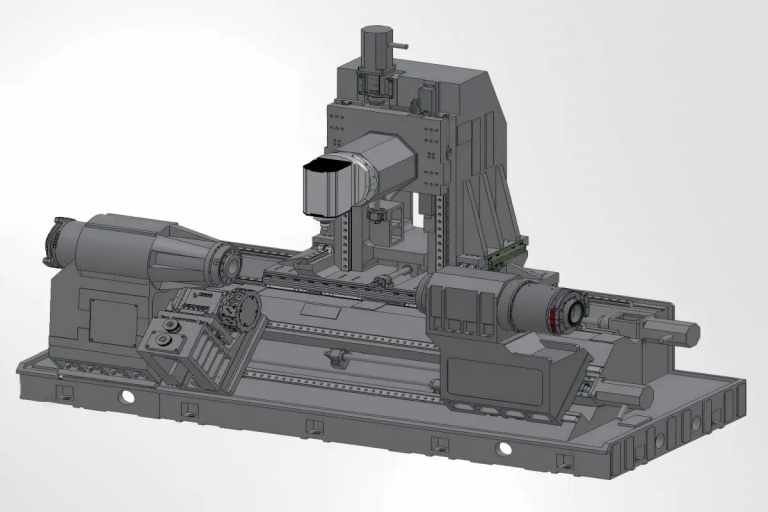
When I talk about cnc equipment services, I mean the full stack—maintenance plans, retrofits, and software add-ons. Too often, those offers look good on paper but fail on the floor. The usual fix is bolting on sensors or cloud dashboards and calling it an upgrade. But that ignores how shops actually work: mixed fleets, shop-floor noise, and electricians who’d rather see a clear, simple control than another black box. I’ve watched installs where the new system added complexity without lowering cycle time. The result? Operators resist. Management sighs. Production stays the same. Look, it’s simpler than you think: changes must match the crew’s habits and the plant’s cadence. Technical terms here matter — edge computing nodes can reduce latency, but if you don’t map where data is useful, you pay for capacity you don’t use. Power converters and servo drives matter too; if they aren’t spec’d for your real loads, the machine will complain in ways you’ll feel in scrap rates.
Why do these fixes still trip up shops?
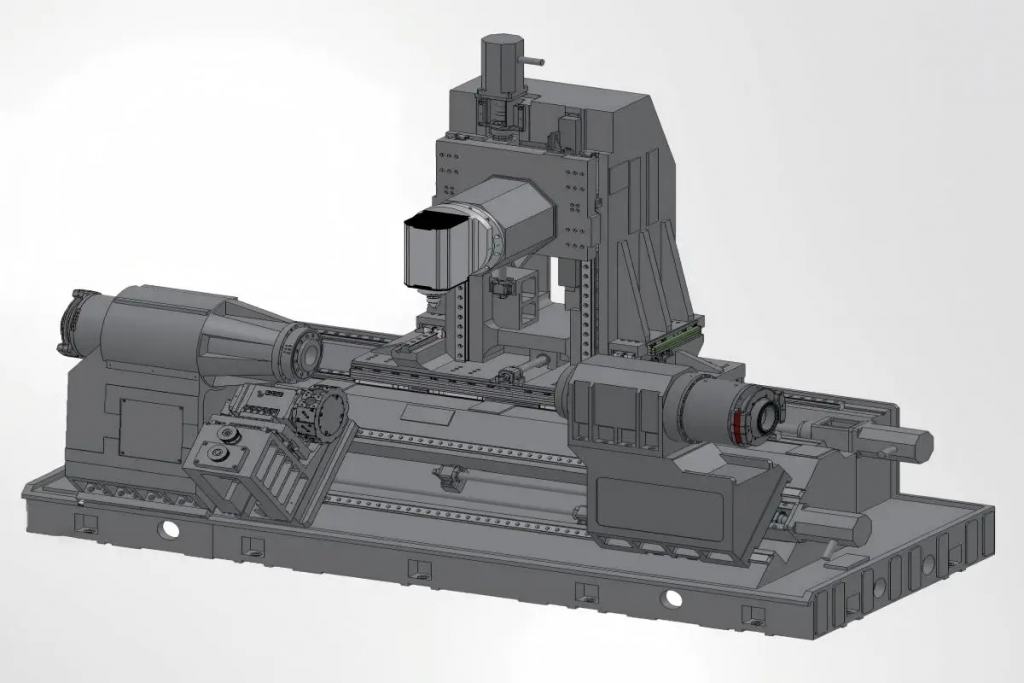
The short answer: vendors often treat every plant like a textbook case. They sell features rather than workflows. I’ve been in installs where the retrofit required new wiring diagrams, new training days, and a new set of passwords—more overhead than benefit. Plus, interfaces are seldom designed for the person who runs the center on a Friday night. That’s a hidden pain point: human friction. You can have perfect telemetry but no trust. And without trust, the data collects dust. We need service models that respect the real operator — not just the IT checklist.
Forward-Looking Options: Principles and Practical Choices
Here’s where I shift from critique to what I actually recommend. If you’re shopping for a cnc machine for sale or thinking about retrofitting older gear, lean on clear principles: modular upgrades, operator-first interfaces, and measurable KPIs. That’s not hype — it’s a rule I follow when advising shops. Start small. Put an edge computing node where it will remove a real delay. Replace a spindle controller that’s burning cycles. Then measure. You’ll know fast if it worked. — funny how that works, right? The key is stepwise change. It keeps cost down and trust up.
What’s Next for Shops and Makers?
Practical examples help. I worked with a mid-size shop that replaced one line’s outdated controller, added simple alarm logging, and trained three operators for two afternoons. Within six weeks they cut setup time by 18% and reduced scrap on two part families. That move cost less than a full automation overhaul and gave visible wins that earned buy-in for round two. I believe in that approach: show value early, then scale. And when you evaluate vendors or look at a new machine or a cnc machine for sale, pick partners who will work the shop floor with you, not just sell another dashboard.
Closing Advice — How I Choose Solutions
I want to leave you with three plain metrics I use when judging any upgrade or purchase. First, uptime impact: will this change move the needle on real run time? Second, operator adoption: can the person running the machine use it without a manual every hour? Third, measurable ROI: will the savings show in weeks, not years? Those are my yardsticks — simple, tough, and honest. I’m invested in tools that make parts, not promises. And if you want to check a practical partner at the end of a long list, take a look at Leichman. I’ve seen what works, I’ve fixed what failed, and I’ll tell you straight — choose wisely and make sure the shop can live with the change tomorrow.