

Introduction: The Morning Dash and the Real Cost of Stop‑Start Streets
You roll out at 7:45, lights blinking, lanes tight, and the clock louder than the engine. An urban motorcycle seems like the clear fix for the red‑light shuffle and parking stress. Yet the streets teach a hard lesson: small delays compound. Studies show city riders lose big chunks of time to micro‑stops, heat buildup, and route variance (the sneaky kind you feel but can’t time). Are we missing a better way to approach the commute?
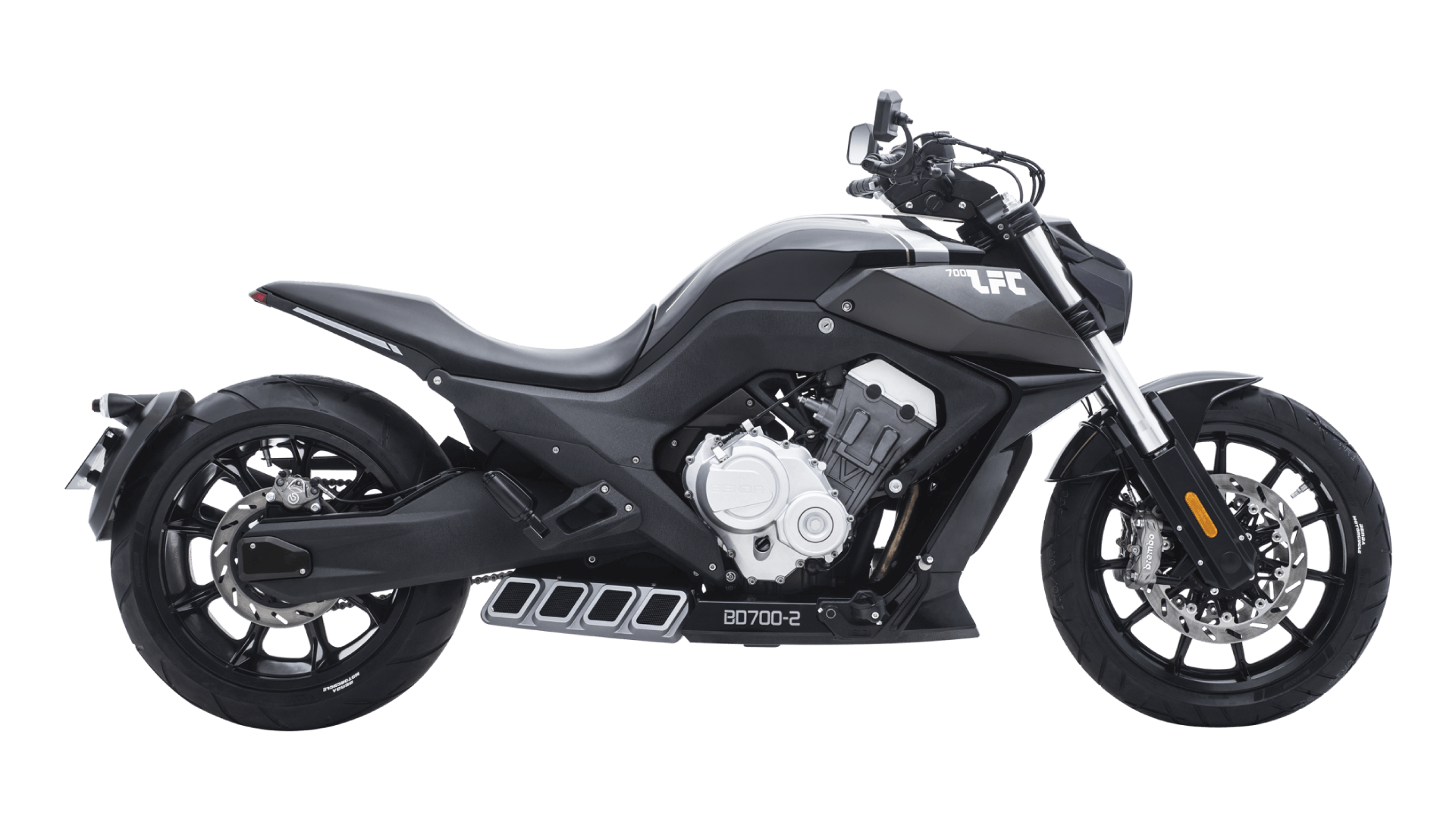
Here is the core concept. Commuting is a reliability problem, not a horsepower contest. What matters is predictable launch, low heat, quick park, and safe braking. Features like ABS, a broad torque curve, and a smart power‑to‑weight ratio lower stress and raise throughput. In several cities, riders report drops in travel time just by choosing lighter, cooler machines. That leaves a question: what keeps the daily ride from feeling smooth—and how do we fix it without overspending?
Let’s unpack the hidden frictions, then compare what’s here now with what’s coming next.
Deeper Layer: The Flaws Behind “More Power = Better Commute”
What keeps slowing you down?
Many buyers hunt big numbers, then wonder why the ride still feels heavy. The truth is simpler. The best top commuter motorcycles win on consistency, not brute force. In stop‑and‑go flow, launch characteristics, thermal behavior, and ergonomic control matter most. Traditional solutions push displacement and aggressive gearing. But short city hops punish that setup. A peaky torque curve makes launches jerky. A hot-running engine causes heat soak at lights. A tall first gear strains the clutch hand. And storage? Often forgotten until day one. Look, it’s simpler than you think—optimize for the pattern you ride 95% of the time.
Here are the hidden pain points that stack up: clunky fueling at low RPM (throttle snatch), narrow steering lock, and weak low‑end pull that forces extra clutch work. Heavy frames also amplify fatigue over speed bumps and patches. By contrast, a well-tuned CVT or a smooth ride‑by‑wire map delivers clean roll‑on. ABS tuned for wet paint lines reduces close calls. Compact radiators and ducting cut knee heat. Even small touches, like a calmer idle strategy and clear mirrors at 40 km/h, keep your brain fresher. None of this screams “spec sheet glory” — funny how that works, right?
Comparative Insight: New Technology Principles for a Smoother City Core
What’s Next
Let’s look forward, and compare what helps today with what scales tomorrow. As you weigh the best motorcycles for city riding, focus on design principles, not just badges. New hardware and software are closing gaps you feel every day. Example: inertial measurement units (IMU) now refine ABS in low‑grip corners. That reduces panic stops on slick zebra crossings. Lightweight frames paired with wide bars sharpen lane changes at low speed. Updated ECUs smooth fueling for predictable launches. Even simple power converters and efficient cooling loops reduce heat spikes at lights. The big idea: the bike should become steady, not spicy. You win minutes by reducing variance and cognitive load.
Future‑leaning choices also improve control and cost. Ride‑by‑wire enables selectable throttle maps for rain or traffic. Compact dashboards show real‑time range and service prompts via a clean CAN bus. Modular luggage and quick‑access hooks turn errands into a single stop. And for electrics and hybrids, regenerative strategies tuned for city speeds reclaim energy without killing feel. Compare platforms by how they manage the first 30 meters and the last 30 seconds. That is where most risk—and time—live. Summing up: choose stable launch, cool knees, tight turning, and strong brakes. The commute gets faster by getting calmer.
To close, use three evaluation metrics when choosing your daily machine: 1) Launch stability under 25 km/h, measured by smooth roll‑on and low clutch intervention. 2) Thermal comfort after 10 minutes of idle, with consistent braking feel. 3) Maneuverability within 2–3 lane changes at walking speed, verified by steering lock and curb weight. Nail those and your calendar, wallet, and shoulders will thank you—funny how that works, right? For more context on platform design and city fit, see how brands refine commuter geometry and control layers at BENDA.