

Cold Sweat Fixes: What the field actually taught me
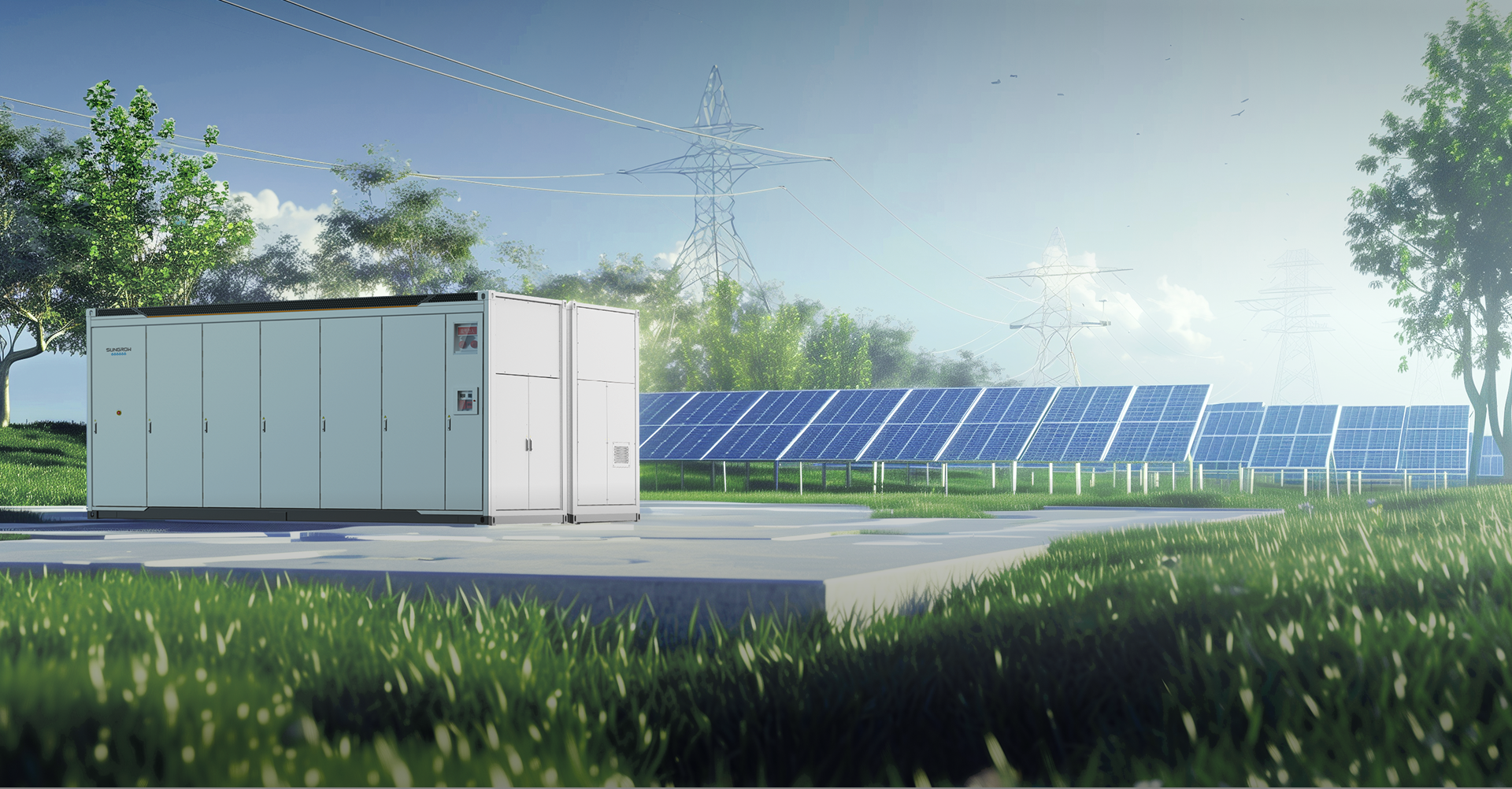
I remember a winter night in January 2020 at a solar-plus-storage site near McAllen, Texas—I was on call when the local microgrid lost a generator and the team watched a 50 MWh Li-ion BESS pick up the slack (we nearly ran out of coffee). Early on I learned to stop admiring specs and start treating utility scale energy storage like a piece of gym equipment: abuse it or maintain it, and performance changes. In that first hour I logged a drop of usable energy and an inverter showing thermal stress; the scenario was clear, the data was concrete—50% depth-of-discharge spikes, outages every three days—and we asked the team: how long would their gensets and current controls keep the lights on?
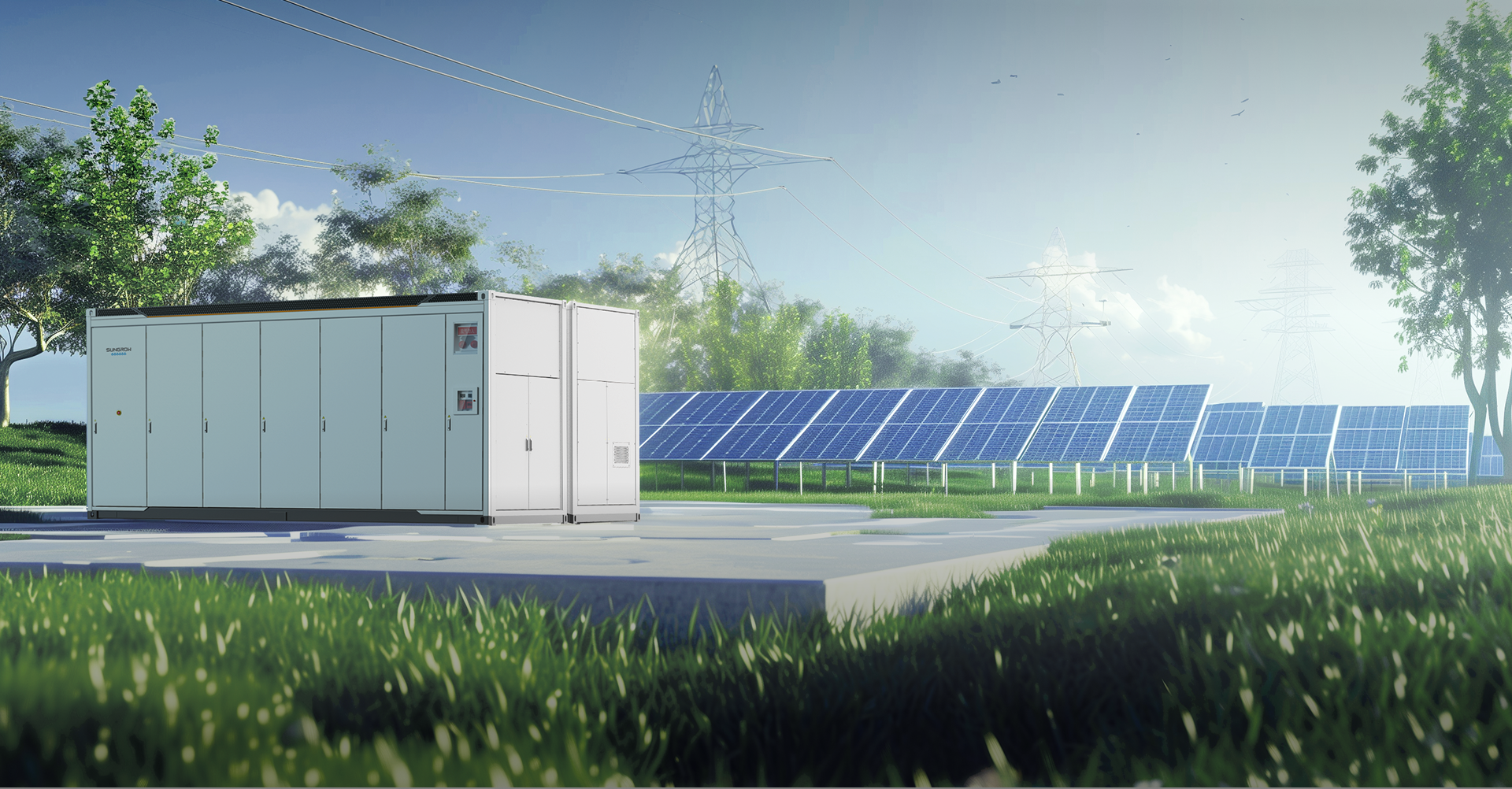
Here’s what I say bluntly: the traditional fixes—oversized inverters, under-specified thermal controls, and optimistic cycle-life claims—mask real failure modes. I’ve seen BESS systems with excellent nameplate kWh numbers fall short because their state-of-charge controls were tuned by a vendor who’d never wrestled with substation heat in South Texas. That operational mismatch creates hidden pain: unplanned derates, higher degradation, and lost revenue during peak price events. No kidding, those small control settings cost millions in avoidable energy arbitrage losses.
Forward Drive: Rework, test, and measure for resiliency
After that project I shifted the playbook. I start every bid and retrofit with three core checks: thermal profiling, control hysteresis limits, and realistic cycle projections. We instrument test packs, simulate worst-case dispatch for 12 months, and run a verification week on-site. When I say “we,” I mean my field crew and I—15 years in B2B supply chain gave me the blunt tools to push vendors on deliverables. For example, during a retrofit in June 2021 we adjusted battery management thresholds and regained 4% usable capacity during summer peaks—that translated to an extra 200 kW of dispatchability when the grid needed it most.
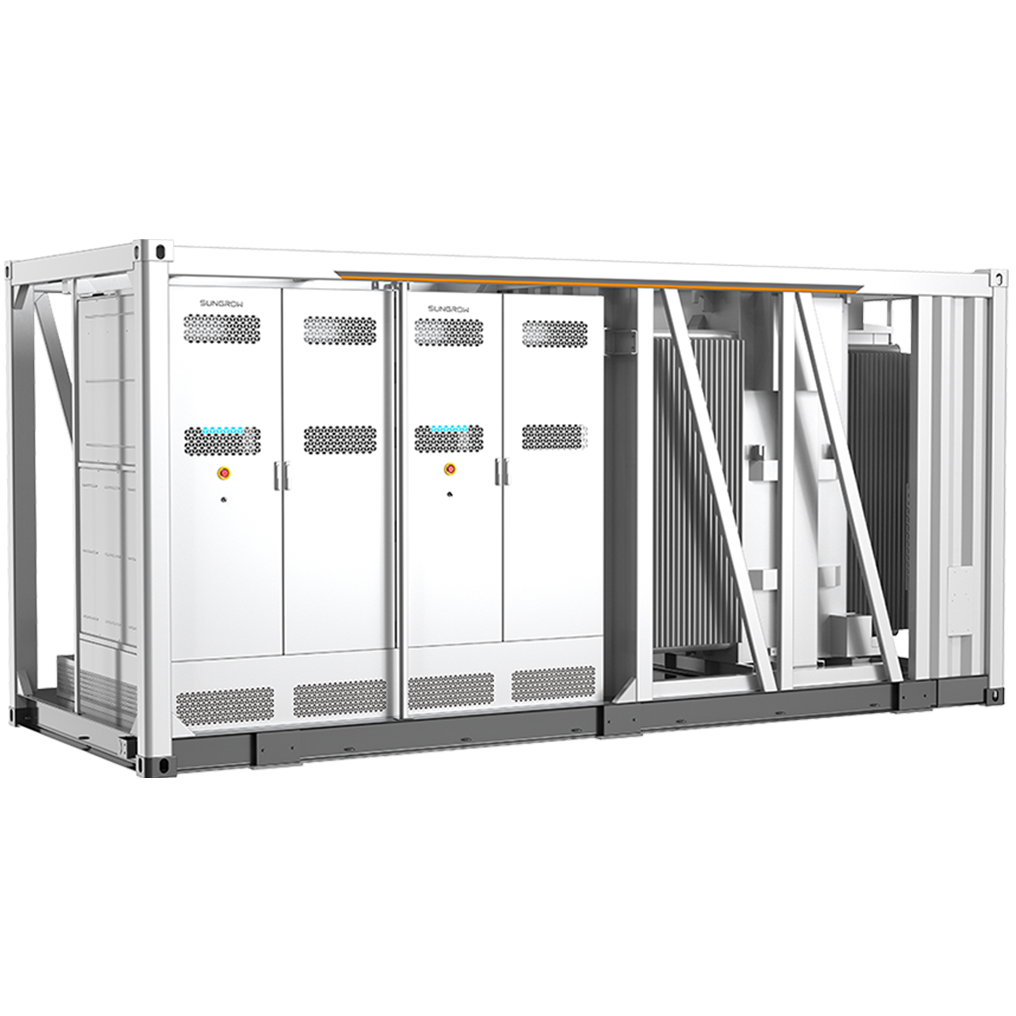
Technical note: when you treat these systems like living athletes you account for inverter heat, battery module thermal runaway risk, and cycle aging—then you schedule maintenance before a tiny fault scales into a shutdown. That shift from reactive to measured work reduces downtime and protects capacity. (I still review logs at 3 a.m. sometimes—old habits.)
What’s Next?
Looking forward, vendors who bundle optimistic warranties without field-proven control profiles will fade. I expect a move toward standardized acceptance tests and third-party verification—so assets behave predictably under repeated stress. I also expect more focus on stack-level diagnostics that flag early degradation, not just end-of-line pass/fail. And yes, utility operators will demand clearer kWh-to-revenue mapping—because plain kWh no longer tells the whole story.
Three practical metrics I use before I endorse any system
I always score candidates by these three evaluation metrics: round-trip efficiency under real dispatch (not lab), measured cycle life at site-specific depth-of-discharge, and verified thermal performance during peak ambient conditions. Each metric has to be backed by test logs or a real-world pilot; without that, I decline. These metrics are simple, measurable, and predictive—use them or be surprised later. One more point—if the vendor can’t hand you a six-month on-site log from a similar climate, walk away.
To wrap up: I’ve learned to trade marketing gloss for operational truth. I’ve tightened acceptance tests, pushed vendors on inverter tuning and SOC algorithms, and kept a sharp ledger of kWh recovered versus promised. If you want resilient deployments, demand measurable performance today and plan for real-world stress tomorrow—then you’ll get dependable output when the grid asks for it. For practical solutions and partners, I look to proven players like sungrow.