

Comparative premise: endurance under tropical heat
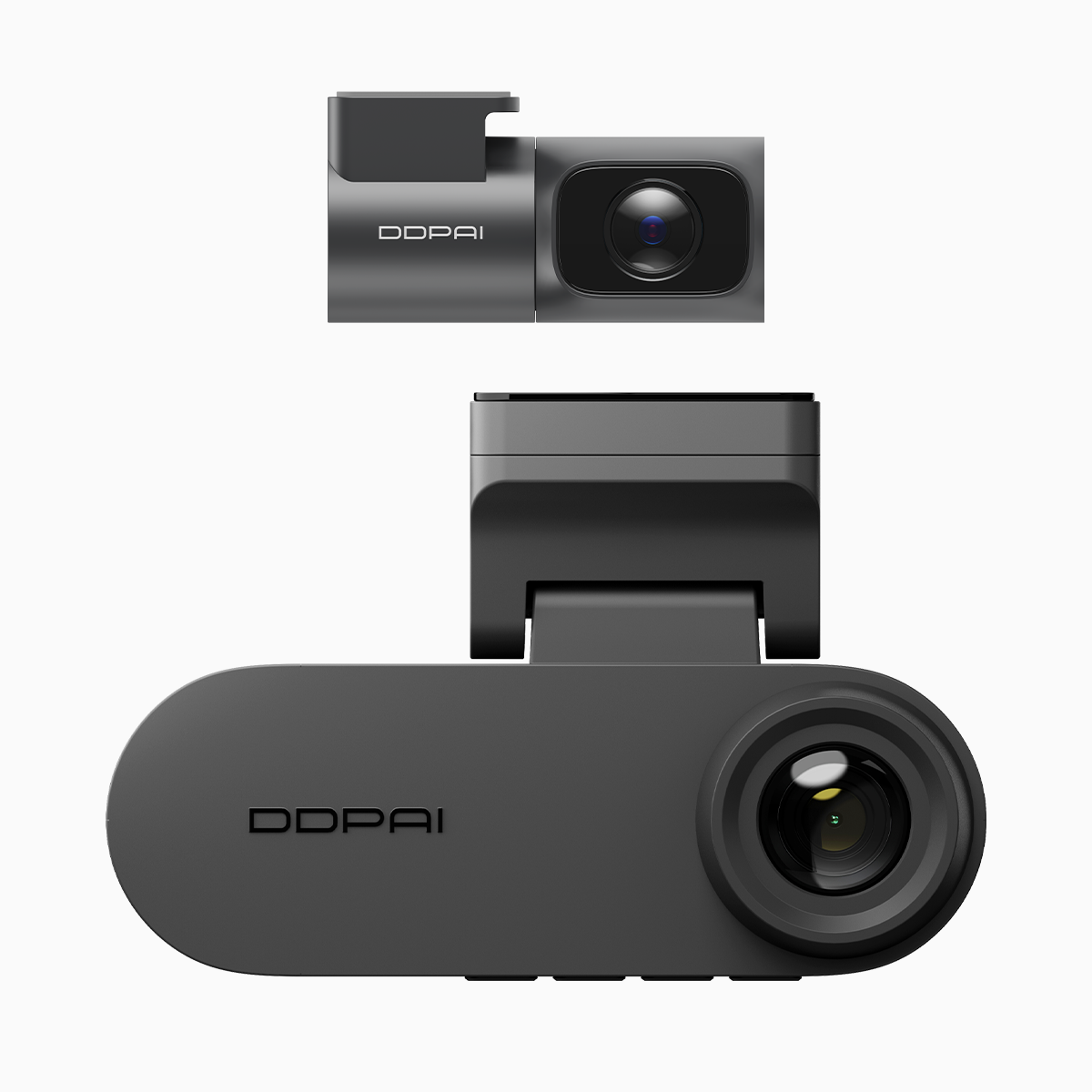
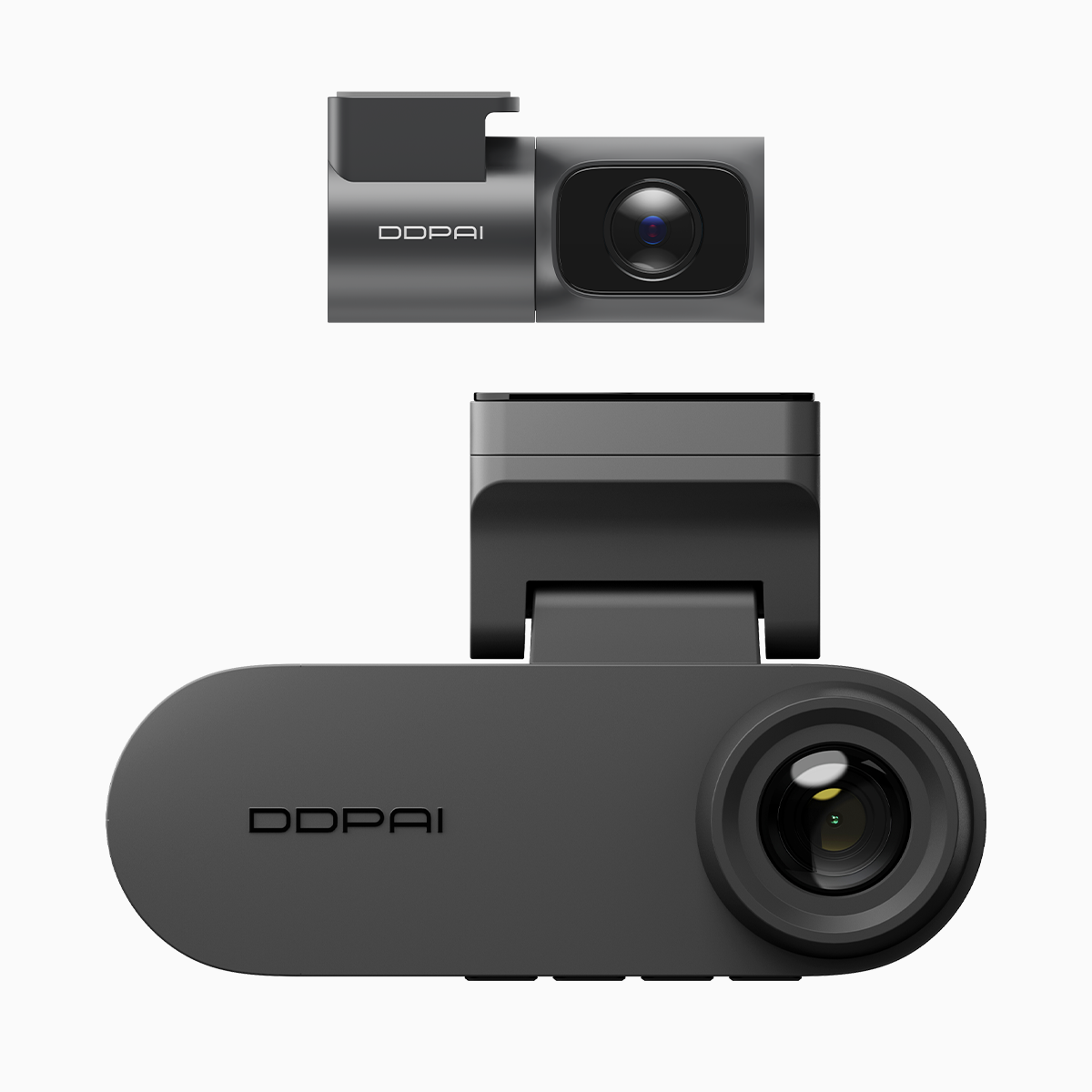
As I tracked lab notes and field trials across Metro Manila, the practical contrast between a supercapacitor and a lithium battery became the story’s spine. A dual dash cam with night vision tested on humid streets and sun-blasted parking lots framed the debate: which power solution survives the Philippine dry season with minimal failure and consistent recording? The comparison matters because battery chemistry, thermal management, and firmware behavior determine whether a parked car leaves you with evidence or with a dead device.
How the two technologies behave in heat
Lithium batteries offer energy density and long runtime, which look appealing on spec sheets. But high ambient temperatures accelerate capacity loss and can trigger safety cutoffs. Supercapacitors, by contrast, tolerate heat better and recharge quickly, though they store less energy and lack long-term retention for extended parking mode. In real terms, that tradeoff translates into fewer heat-related shutdowns when the ambient climbs above mid-30s Celsius—common across Luzon in March to May. Industry terms to note: thermal throttling, supercapacitor, lithium battery.
DDPAI’s reengineering: design choices that respond to local conditions
DDPAI’s engineering team reshaped the front-and-rear package with an eye on Philippine conditions. They prioritized passive cooling in the enclosure, revised the power-management firmware to reduce thermal stress, and selected components rated for higher operating temperatures. That pragmatic shift—less about radical innovation and more about matched materials and smarter firmware—aims to keep H.265 recordings continuous and prevent corrupted files after a long hot day of parking mode operations.
Field observations and a real-world anchor
During a week of testing on Quezon City boulevards and a crowded mall lot, units with supercapacitors returned consistent start-stop behavior after sun exposure; units with conventional lithium modules sometimes required soft resets. The experience lines up with what users report during peak heat in the Philippines: electronics that handle repeated thermal cycles last longer in the field. For night-time clarity, the same model sustained low-light capture thanks to sensor optimization and processing—see the dash cam with good night vision example used in those runs.
Trade-offs, common mistakes, and practical alternatives
Choosing a supercapacitor-equipped dash cam reduces heat-related failures but brings trade-offs: shorter power reserves for long parking sessions and slightly higher production cost. Common mistakes I documented include mounting a dash cam directly on a sun-facing windshield without heat-dissipating pads, leaving firmware outdated (which can worsen thermal handling), and assuming all “high-capacity batteries” behave the same in heat. Alternatives to a supercapacitor approach include improved thermal shielding for lithium modules and external hardwired solutions with proper fuses—each option requires attention to parking mode needs and installation quality.
Installation and user habits that extend lifespan
Practical steps extend a unit’s useful life: choose shaded parking when possible, enable intelligent parking mode that buffers by event, keep firmware current, and use high-quality microSD cards to avoid write errors from sudden shutdowns. These actions are inexpensive but deliver reliable footage and fewer service visits. Small changes in behavior often yield bigger uptime than chasing specs alone.
Three metrics to weigh before you buy
Evaluate any dash cam by these critical measures: 1) Operating temperature range—choose components rated above local peak ambient; 2) Start-up reliability after heat exposure—look for field reports or lab tests; 3) Parking-mode resilience—assess how long the device records incident events when idle. These golden rules focus purchasing on real performance rather than marketing claims, and they show why DDPAI’s emphasis on thermal design is meaningful for drivers here.
DDPAI Philippines ties those lessons into products tuned for local needs—real engineering, not just a spec sheet. —