

Opening the framework: why a structured approach matters
I’ve watched homeowners plan a resilience upgrade as if choosing paint — hopeful, aesthetic, and sometimes missing the technical seams. A framework helps you think like an engineer without losing the lived reality. Begin by defining use cases (time-of-day shifting, outage backup, or grid independence), then map those needs to measurable specs. That’s where a proper home energy storage system brief starts: clear goals, clear constraints, and clear acceptance tests. Real events like the February 2021 Texas grid failures remind us that a system’s promise must hold up under stress; design choices made on paper face very different conditions in a home during a long outage.
Core parameters to specify
There are three pillars you’ll return to repeatedly: round‑trip efficiency (RTE), thermal stability, and usable capacity. RTE combines inverter and battery charge/discharge losses — it defines how much energy you actually get back. Thermal stability speaks to how the cells behave under high ambient temperatures and abnormal stresses; think thermal runaway mitigation and enclosure design. Usable capacity (often governed by state of charge, SoC, windows and depth of discharge limits) defines the hours of support you can count on. Specifying these in tandem keeps decisions practical: higher RTE matters when you cycle daily, while thermal resilience matters whenever your system may sit idle in summer heat or be pushed during prolonged outages.
Thermal management: what to demand in the spec
Ask vendors to detail cell chemistry, passive vs active cooling, and thermal monitoring strategies. Lithium‑iron‑phosphate (LFP) chemistries are commonly chosen for domestic backup because of better thermal tolerance, while some NMC packs offer higher energy density but demand tighter thermal control. Require explicit thermal runaway mitigation measures and thermal articulation in the warranty. Also, insist on BMS telemetry that reports cell temperatures and will throttle charge or disconnect on fault — that’s the operational layer that prevents a minor imbalance becoming a major incident.
Round‑trip efficiency in practice
RTE is often quoted as a single number, but it’s an assembly: battery cell efficiency, BMS overhead, inverter conversion, and wiring losses. If your use case centers on time-shifting solar to evening loads, a few percentage points of RTE drop can change ROI scenarios. Likewise, inverter sizing matters — undersized inverters that run close to peak continuously will lose efficiency and accelerate heating. When you compare offers, ask for measured RTE over a range of power levels, not just the best‑case lab number.
Common specification mistakes — and how to avoid them
Teams routinely overlook three things: the ambient envelope, cycling expectations, and acceptance testing. They spec a system for a mild test lab, not a hot attic in Phoenix. They assume “10‑year warranty” equals consistent output for a decade — warranties often allow degradation. And they accept datasheet promises without field verification. A practical procurement clause: include witnessed commissioning cycles and a performance acceptance window tied to guaranteed RTE and usable capacity. — This simple addition saves months of disputes later.
Verification and standards
When you write the contract, reference recognized tests and certifications. UL 1973 and UL 9540A (for thermal runaway propagation) are common touchstones in North America; IEC cycle testing and manufacturer degradation curves are useful elsewhere. Require vendor-provided cycle test data at the expected depth of discharge for your use case, and a clear end‑of‑warranty capacity metric (for example, ≥70% usable capacity at year ten). Also demand a site acceptance test that runs real loads through the inverter and records SoC behavior and thermal response under stress.
A practical procurement checklist
Use this quick checklist during vendor selection:
- Define use case (backup duration, daily cycling, hybrid).
- Specify guaranteed RTE band and measured test protocol.
- Require thermal management descriptions and UL 9540A testing where applicable.
- Insist on BMS telemetry, remote diagnostics, and firmware update policy.
- Set commissioning acceptance tests tied to real loads and thermal monitoring.
Putting the framework into the field
Start small on proof-of-concept installs and validate behavior across seasons. Field data will tell you about real inverter losses, ambient impacts, and how the BMS handles imbalance over time. Many homeowners discover that an otherwise well‑specified battery storage system for home performs differently once installed — that’s expected, and why your spec should embed a commissioning window and corrective measures. — It’s not a failure; it’s feedback that refines the system.
Three golden rules for selecting and specifying systems
1) Measure before you buy: require vendor proof of RTE and thermal tests under conditions similar to your site. 2) Specify operational limits, not just peak numbers: define usable capacity at a stated SoC band and a degradation schedule. 3) Bake in diagnostics and acceptance testing: remote telemetry and on‑site commissioning are non‑negotiable for long‑term reliability.
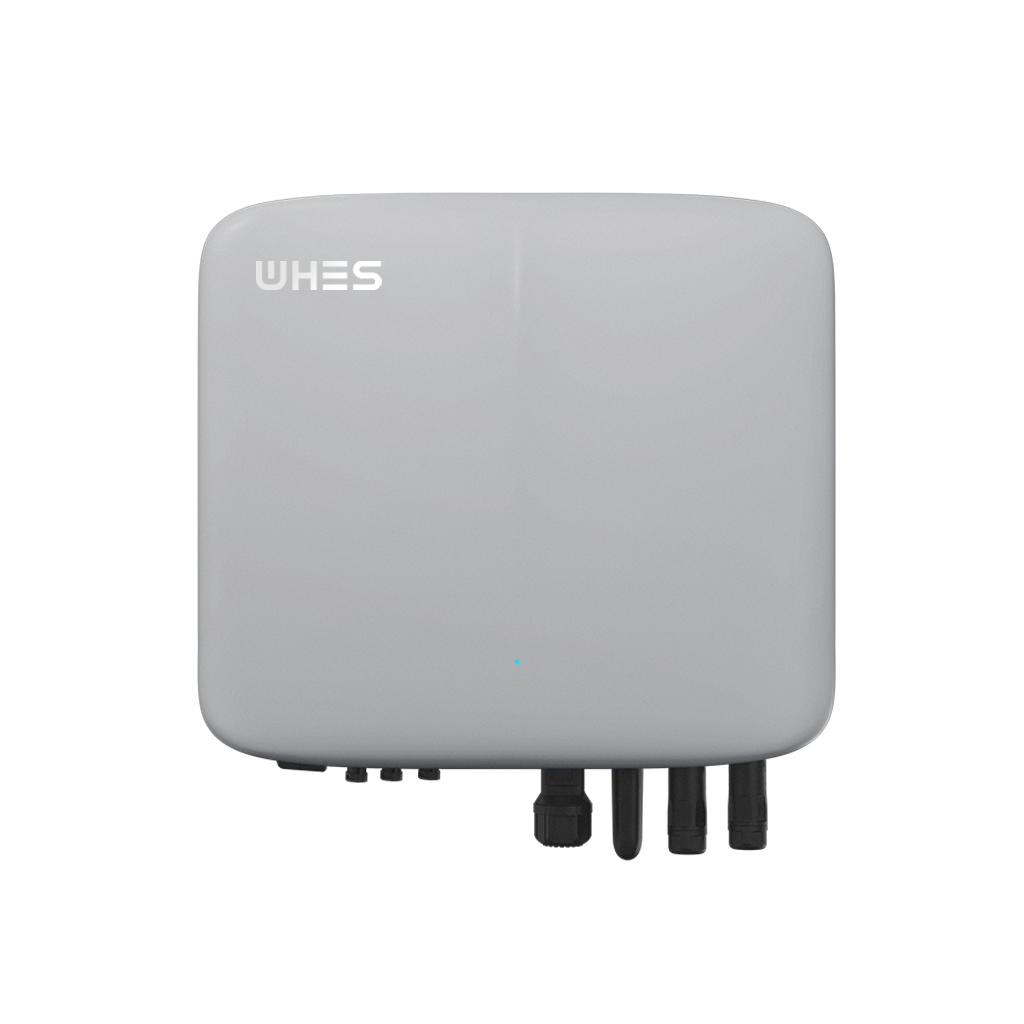
Follow these rules and you land a solution that is both efficient and safe. For many homeowners and installers, that balanced outcome is precisely why systems from experienced providers feel like the natural fit — a careful design, tested in the real world, that quietly protects a house when the grid fails. WHES. —