

Introduction
Have we really measured what precision once meant for metalworking masters? I ask because factories that once echoed with lathes and hand drills now hum with CNC orchestration, and the stakes have shifted. Vertical machining center manufacturers have had to learn discipline—fast—and not merely in motion control but in how they think about data and duty. Recent industry surveys show lead-time reductions of 20–35% where workflow and machine capability were aligned; yet many shops still struggle with inconsistent tolerances, unexpected downtime, and thin margins. (Consider a mid-size shop that lost a week to a spindle failure — the ripple is tangible.) So how do we reconcile heritage craftsmanship with modern cycle-time demands? This piece will trace those tensions and point toward practical choices that matter. Read on for a closer look at where tradition falters and where opportunity waits—then we’ll map a path forward.
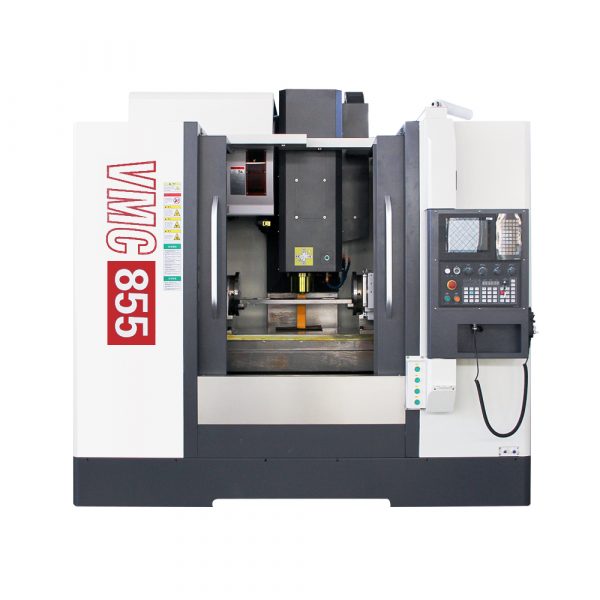
Traditional Solution Flaws and Hidden User Pain Points
5 axis vertical machining center capability is often presented as a silver bullet—true contouring, fewer setups, and compact floor use. Yet I’ve seen installations where promise met friction: rigid-fixture expectations clashed with thermal drift; control sophistication outpaced operator training. In plain terms, the hardware (spindle, linear guide, servo motor) can be superb, but the ecosystem—tool changer strategy, coolant management, and CAM post-processing—crumbles. We end up patching software offsets instead of addressing root causes. Look, it’s simpler than you think: precision is not only a specs game. It’s about repeatability under load, predictable tool wear, and a control logic that tolerates shop variation.
What’s the real pain?
Hidden pain points often show up as small losses that compound. Poor fixture design increases setup time. Inadequate spindle monitoring means bearing issues only surface after scrap accumulates. And software-driven chatter—bad posts, poor tool libraries—creates hours of rework. I’ve audited shops where spindle speed and feed charts were ignored, leading to suboptimal cutting and shortened tool life. These are not exotic problems. They are textbook failures in systems thinking. We can fix them, but it requires candid assessment, not just higher-spec machines.
New Technology Principles and a Forward-Looking Comparison
Moving forward, I favor principles that pair practical mechanics with smart sensing. A clear starting point is condition-based maintenance: spindle vibration sensors, thermal probes, and simple IoT endpoints that flag trends before they become crises. Compare that with the old reactive model—repair after failure—which is costly and unpredictable. When we weigh options, the contrast is stark. A shop that adopts closed-loop adaptive control and integrates its CAM with the machine’s native kinematics sees fewer surprises. Also consider the hybrid use of a horizontal or vertical turning machining center for specific families of parts to reduce setups and keep the 5-axis free for complex contours. This comparative approach reduces board-level guesswork and clarifies ROI.
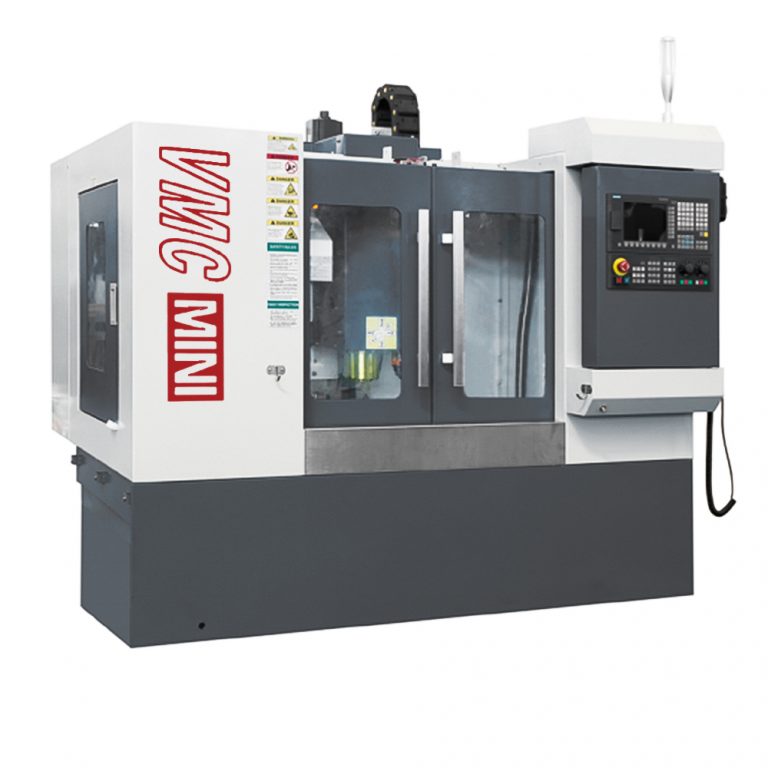
What’s Next?
Practically speaking, vendors should demonstrate not only axis accuracy but workflow impact—cycle time, scrap rate, training hours. I recommend a stepwise adoption: pilot one cell with sensors and CAM integration, collect metrics, then scale. The result is measurable: lower spindle replacements, less fixture experimentation, and faster first-piece approvals. — funny how that works, right? In my view, three evaluation metrics will guide you well: 1) true positional repeatability under load, 2) mean time between failures for key components (spindle and tool changer), and 3) integration quality between CAM and machine kinematics. Use these to compare offers, and you’ll see beyond glossy brochures.
In closing, I’ve tried to blend hands-on judgment with practical metrics so you can choose wisely. We’ve moved from identifying the flaws to outlining resilient responses. If a brand earns your trust, it will back up specs with workflows and training. For those comparing vendors, consider how they support lifecycle outcomes—not just initial accuracy. For more direct reference and product options, see Leichman.