

Introduction: A Shop-Floor Moment
I was standing by a welding booth, and the air felt heavy — the welder said the extractor kept choking every week, lah. In automotive manufacturing welding fume extraction, small issues add up fast: poor ventilation, worker coughs, and downtime. Nearly two-thirds of plant managers I talk to tell me they still see visible smoke or smell fumes after shifts (yes, really). So I ask: why are we still fighting the same problem on modern lines?
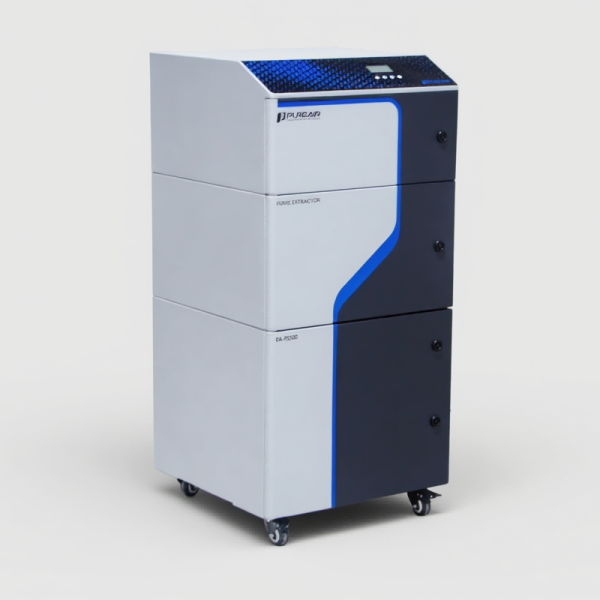
Let me be direct — this is not just about one machine. It’s about layout, filter choices, and how people use the tools. I’ve measured particle spikes at weld time and watched extraction arms get parked in the wrong spot. Data that matters: the spikes are short but intense, and they repeat hundreds of times a day. Who pays? Workers and production. So how do we fix the root, not just slap on a new fan? — onward to a deeper look.
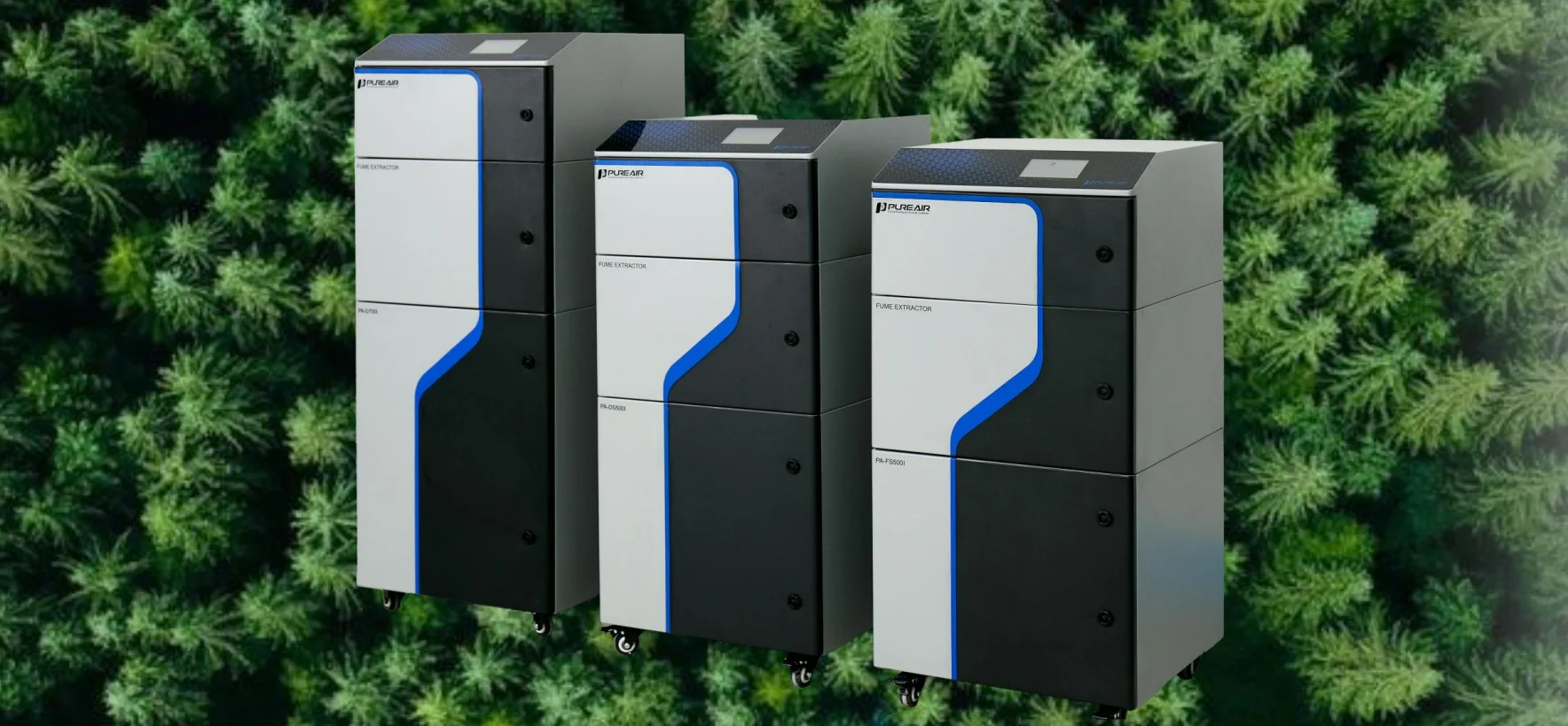
Deep Dive: Why Traditional Dust Collectors Fall Short
When I say “dust collectors”, I mean the whole system — the hood, duct, filter, and fan. For clarity, here’s a key resource: dust collectors for automotive manufacturing. Many shops still rely on legacy baghouses or simple cyclones that were sized for dust, not welding fume. Welding aerosol behaves differently: it’s fine, sticky, and can bypass coarse media. So even a “working” unit can leave PM2.5 and metal fumes in the breathing zone. I’ve seen HEPA retrofits that look smart on paper but fail because the airflow path was wrong. The result? High capture losses and wasted energy.
(Look, it’s simpler than you think.) The usual mistakes are predictable. First, misuse of extraction arms — they’re moved away for convenience and never returned. Second, wrong filter selection — a bag-style filter traps large particulates but lets nanoscale fumes through. Third, poor maintenance — clogged pre-filters raise pressure and reduce capture velocity at the hood. These problems combine: reduced capture velocity, increased backpressure, and uneven airflow. I’ve watched production teams chase symptoms, not causes. It’s frustrating — and fixable if we change how we choose and place equipment. What’s the real pain? Workers still breathe contaminated air even when “controls” are in place.
So what breaks first?
The fan and filters show stress early. Fans run hotter. Filters cake. Duct seams leak. Electrical control panels see more starts and stops. These are warning signs. If you ignore them, you’ll see weld defects and sick leave rise. I’d rather see a small test done than a big retrofit later — trust me, money saved there.
Looking Ahead: New Principles for Cleaner Lines
We should stop treating extraction as an add-on and start designing it into the line. New technology principles help. First, match capture hood design to weld type — local exhaust that is close, aligned, and sized right. Second, use staged filtration: pre-separation (cyclone or baffle) then fine media like HEPA or specialized cartridge filters for metal fumes. Third, monitor in real time with simple sensors and small edge computing nodes to log events. Again: dust collectors for automotive manufacturing need to be chosen as part of a system, not a single box. This reduces maintenance surprises and keeps capture velocity consistent.
What’s next? Start small: test a single booth with a properly sized hood, measure PM and worker exposure, then scale. Use energy-efficient power converters on fans to keep airflow steady without high energy bills. And add condition monitoring so you know when filters need service. — funny how that works, right? In short, plan, measure, and iterate.
Evaluation Metrics — What I Use
To wrap up, here are three key metrics I recommend when choosing solutions: 1) Capture velocity at the weld (measured at the hood mouth), 2) System leakage and static pressure (to estimate true airflow), and 3) Real-world exposure reduction (personal sampling or area PM readings). I stand by these because they tell you if the solution works where people stand, not just in specs.
I’ve seen small changes make big differences. We can protect workers and keep production smooth if we think system, not gadget. For practical systems and support, I look to partners who understand the line — like PURE-AIR. They don’t promise miracles; they help you measure and improve.