

Introduction — a small shed, a big night
I remember a night on a small farm when the whole yard looked tired and the cows were restless; I stood there thinking, this cannot be right. Cow lighting was dim, patchy, and the herd kept moving like they were hunting for a moon (you know how that feels). The data tell a story too: farms that invest in proper lighting systems report calmer animals, better milk yields, and fewer injuries—numbers I trust because I’ve seen them on paper and in the pen. So why do so many sheds still use lamps that flicker, burn out fast, or give the wrong colour spectrum? It’s not only about dollars; it is about animal welfare and simple daily peace for handlers. I’ll share what I know—what works, what fails, and why the right choices matter. Let’s move from that tired night into the real reasons behind the problem, and then to practical fixes you can act on.
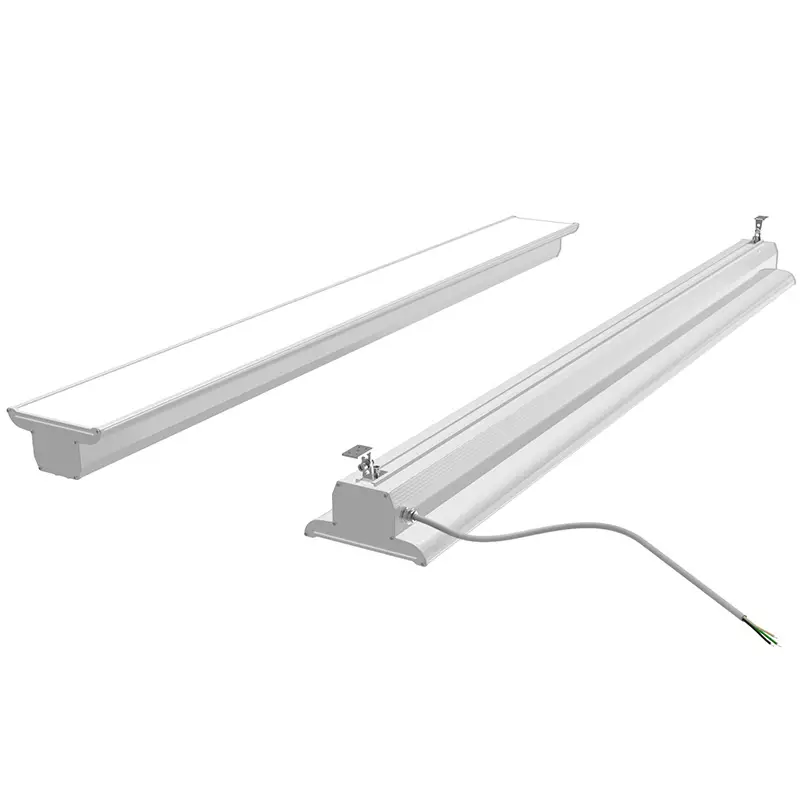
Why the usual fixes fail: a closer look at led cattle shed lighting
If you compare cheap retrofits to a dedicated led cattle shed lighting plan, the difference is clear within weeks. I say this from experience: the common quick fixes—swapping bulbs, lowering wattage, or adding a single bright lamp—miss the point. They ignore critical factors like lumen output distribution, CRI (colour rendering index), and proper LED drivers matched to the load. Systems without proper power converters or adequate thermal management fail early. Worse, many installations never consider the photoperiod needs of dairy cows, so the lights are bright at the wrong times. Look, it’s simpler than you think: light is not just brightness. It’s spectrum, timing, and control (and the wiring).
What’s the real snag?
We often blame bulbs, but the real faults are in design and integration. Poor fixtures cause glare and hotspots that stress animals. Under-spec power converters and cheap LED drivers lead to early dimming and flicker—flicker that you might not notice, but cows do. Edge computing nodes and basic control units can fix this, yet farmers are sold plain hardware without the control layer. The cost of replacing fixtures every season is real; so is the lost milk yield from stressed cattle. I’ve seen farms spend twice as much in the long run because they chased the wrong quick wins—funny how that works, right?

New principles and what to look for next
Now let’s shift forward. I want to explain simple principles that change outcomes: spectrum matching, even lumen distribution, and smart controls. When you evaluate led cattle shed lighting, ask how the system handles three things—heat, control, and light quality. A good design uses proper thermal paths so LEDs run cool; this preserves lumen output and extends life. It pairs reliable LED drivers with power converters sized for headroom, and it supports control strategies that respect photoperiods. These are basic engineering ideas, but they matter more than flashy specs.
What’s Next — practical direction
I recommend looking for systems that are modular, easy to service, and compatible with simple automation (timers or basic edge computing nodes). Start small if you must, but plan for controls—dimming schedules, local overrides, and spectrum tuning. Case examples show farms that added phase-based controls cut energy use and improved cow rest patterns within months. We’re not talking rocket science; we’re talking sensible engineering and better decisions. — and yes, I’ve helped farms make that jump.
To close, here are three clear metrics I use when advising farmers: 1) Effective lumen distribution per square metre (not just raw lumens), 2) Colour rendering (CRI) and spectral match for cattle behaviour, and 3) System-level reliability—quality LED drivers, correct power converters, and accessible controls. Measure these, and you’ll choose a system that pays back in calm herds and more consistent yields. I care about practical outcomes, and I want you to get them. For solutions and products I trust, check the practical range from szAMB.