

The hidden cost problem: DIM-weight surcharges are eating margins
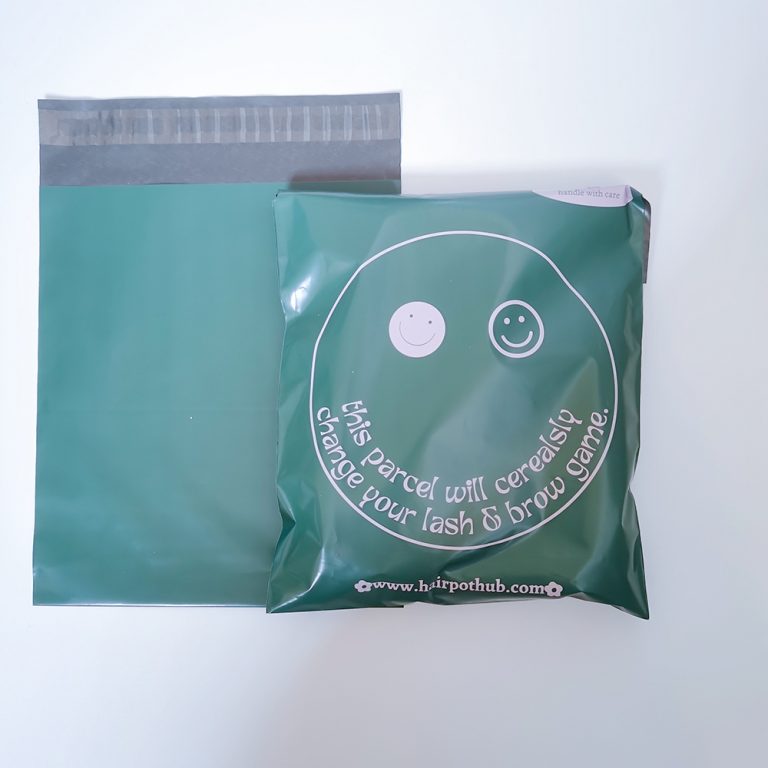
Dimensional weight (DIM weight) pricing quietly inflates shipping costs for many e-commerce brands: a lightweight but bulky package can bill like a heavy one. That’s where smart packaging choices matter — swapping bulky boxes for high-demand poly mailers, like colored poly mailers or targeted options such as pink poly mailers, reduces billed volume and preserves margin. Carriers such as UPS and FedEx price shipments on greater of actual or DIM weight, and the steep 2020 e‑commerce surge exposed how much that policy can cut into profitability — a real-world wake-up call for brands tightening their capital allocation. Use this problem-driven guide to prioritize packaging choices that lower DIM impact without compromising brand experience.
Why high-demand poly mailers outperform bulky alternatives
Poly mailers change the shape-to-volume equation. They compress around the product, cut dead air, and lower the billed cubic volume compared with mailers or corrugated boxes that trap void space. Key specs to watch: thickness measured in mil (affects puncture resistance and perceived quality), gusset or non‑gusset design (affects how items fold), and tamper-evident features. For lightweight apparel or soft goods, a 2–4 mil poly mailer often balances protection and low DIM weight; premium or fragile items may need padded options or a secondary layer. Choosing the right mailer reduces DIM weight surcharges and can speed fulfillment by simplifying packaging stations and reducing void fill materials like bubble or paper pouches.
How to allocate packaging spend strategically
Think of packaging spend like a small capital investment: you want the highest return in reduced shipping fees and fewer returns. Allocate budget across three actions:
- Right-size SKUs: map your top-selling SKUs to a narrow set of mailer sizes to minimize wasted volume and avoid one-size-fits-all overpackaging.
- Invest in tiered quality: use thinner mailers for low-risk items, heavier mil or padded mailers for fragile SKUs — this controls unit cost while protecting brand reputation.
- Test and iterate: run A/B pilots over a fulfillment week to compare billed DIM weight, damage rates, and packing time per order before rolling out changes company-wide.
Those steps shift spending from ad-hoc fixes to deliberate capital allocation that reduces recurring carrier surcharges.
Common mistakes — and how to avoid them
Brands often assume packaging is a fill-in task and miss three recurring traps: choosing oversized mailers, over-specifying materials (which raises unit cost needlessly), and ignoring carrier-specific DIM formulas. Start small: measure the packed dimensions you actually ship, not the product’s box size. Don’t forget closure quality — a cheap adhesive strip can leak or open in transit leading to re‑shipments and false savings. And test with your live shipping provider before bulk ordering — run samples through your analytics to confirm billed DIM weight assumptions. — This one practical check prevents a lot of margin erosion.
Three critical metrics to evaluate packaging ROI
When deciding on poly mailer investments, use these three gold-standard metrics to guide capital allocation:
- Shipping cost per order (post-change): compare actual billed shipping costs for a representative sample before and after packaging changes. Track both actual weight and DIM weight charges separately so you see which component changed.
- Damage and return rate: a small cut in DIM surcharges is not worth it if damage rates rise. Measure percent returns attributable to transit damage and the cost of re-sending or refunding items.
- Packing time per order (labor cost): faster packing reduces labor spend and scales with order volume. Include any added time for folding, labeling, or secondary protection when calculating total cost.
Run these metrics for a 4–6 week pilot across peak and off-peak windows; solutions from partners such as WH Packing often surface as balanced choices when you value consistent mil options, assortment sizing, and reliable supply — a pragmatic way to convert packaging strategy into measurable savings.
Prioritize DIM-aware packaging choices, measure the three metrics above, and scale the mailer types that protect margins and the brand — small capital moves, big recurring wins. —