

Introduction — a short scene, some numbers, one hard question
I remember walking into a clinic where a patient waited an hour to lie under a glowing panel and left unsure if the session helped. The room smelled faintly of antiseptic, the LED hum soft, and the promise of relief felt half-kept. Today, more clinics and home users turn to red light bed devices: sales climbed sharply (roughly 25–40% year-over-year in some markets), while online reviews keep asking the same two things—does it work, and is it safe? How do we reconcile the hype with patient experience?
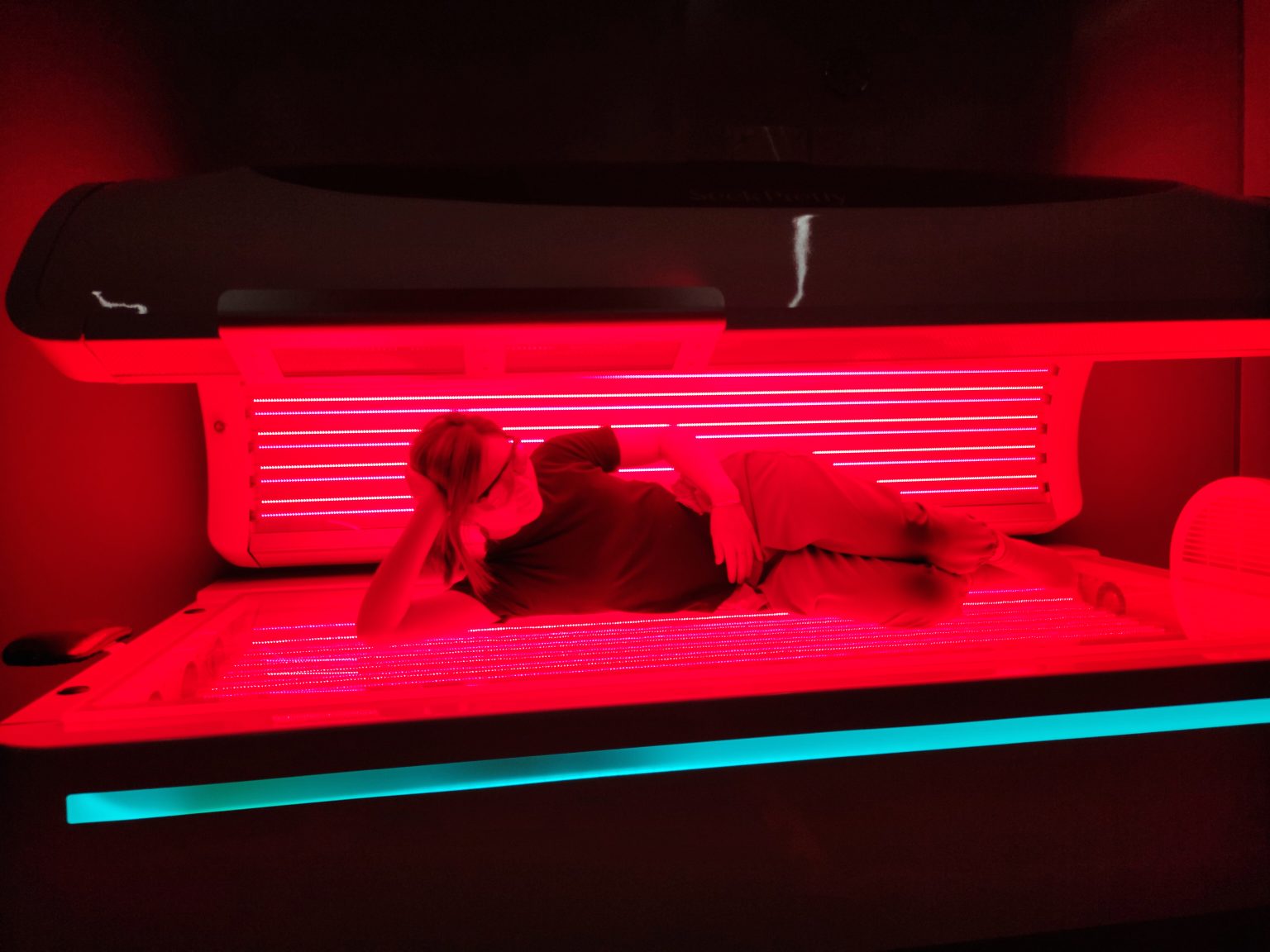
When I talk about a red light bed, I mean a device built to deliver specific wavelengths and irradiance across the body with safety and repeatable outputs. I say this because vague claims frustrate users. Clinicians want predictable dose. Home buyers want clear settings. Policymakers want standards. We need better answers, not more buzzwords. (Yes, I get that budgets are tight—so do the clinics.)
I’m arguing—politely but firmly—that focusing on the human side of deployment will get us farther than chasing glossy marketing. We must look at how actual people use equipment, the training gaps, and the mismatch between device specs and real outcomes. Next, I’ll dive into the core technical gaps and user pains that undercut results. Let’s get into the details.
Part 1 — Where the system breaks: hidden user pain and technical flaws
light bed therapy often looks simple on paper: set a duration, lie down, soak in red and near-infrared light. But I’ve seen where that simplicity breaks down. Devices promise uniform coverage, yet LED arrays wear unevenly over time. Irradiance drops at edges. Controller firmware — the unseen director of dose and timing — can ship with default profiles that don’t match clinical targets. Look, it’s simpler than you think: users follow an app timer and assume dose equals delivery, but the hardware often disagrees.
Let me be blunt about user pain points. Patients report inconsistent warmth, uneven skin response, and confusion over session frequency. Clinicians tell me they adjust session counts empirically because device readouts don’t match patient feedback. On the engineering side, manufacturers skimp on power converters and heat sinks to hit price points, which changes the light spectrum over months. That matters: wavelength shift and irradiance loss affect outcomes. I don’t mean to alarm—my point is practical. We can fix many of these gaps with clearer specs, routine calibration, and better user guidance.
Why can’t the operator just trust the readout?
Operators assume readouts equal delivered dose. But without routine calibration and simple verification tools, that trust is fragile. I’ve recommended basic calibration checks that clinics can run monthly, and they catch drift early. — funny how that works, right? These measures don’t cost much, but they change confidence and results. The technology terms matter: LED arrays, irradiance meters, power converters — all of them play into whether a session delivers what it promises.
Part 2 — Forward-looking: new principles and practical fixes
Now let’s look ahead with practical tech principles that help both users and makers. I focus on three ideas: measurable dose, modular reliability, and user-first interfaces. For dose, embed simple calibrators or companion irradiance checks so a user can verify performance before each session. For reliability, choose LED arrays and power converters rated for sustained output, and design accessible service points. For interfaces, favor plain language—session names like “muscle recovery” mean more than raw milliwatts in most homes. These principles make adoption smoother and outcomes clearer.
I want to explain one principle in concrete terms: dose traceability. If a red light bed records the emitted spectrum, session time, and measured irradiance in a short log, clinicians can review what was actually delivered. That log helps when a patient shows no response: we can see whether the machine underperformed, or if the treatment plan itself needs change. Implementation requires modest controller firmware updates and a small sensor. The cost is minor versus the value of clarity—sometimes less is more. — sometimes less is more.
What’s Next for makers and clinics?
Adopt standards for periodic verification. Train staff on simple checks. Make customer guides that show what normal feels like and what to do when it doesn’t. These steps tighten the loop between claim and experience and build real trust.
Part 3 — Practical checklist and three metrics I use when evaluating devices
Here’s where I get practical and give you a quick rubric. When I evaluate a red light bed for a clinic or recommend one to a friend, I look at three clear metrics: output stability, spectral accuracy, and maintainability.
Output stability: Does the unit hold irradiance across the treatment surface over months? I prefer measured data and a warranty on output. Spectral accuracy: Are the key therapeutic wavelengths present and within spec? Ask for a spectral chart from the manufacturer. Maintainability: How easy is it to replace parts or run a calibration check? Can staff do it without a specialist? These metrics tell you about long-term value, not just sticker price. They also keep patients safer and more satisfied.

To wrap up, I want to offer three evaluation metrics you can use right now:
1) Measured irradiance map — a simple grid report from the maker or an independent test. 2) Logged session data — does the system keep a record you can audit? 3) Serviceability score — parts access, firmware updates, and spare component availability. Apply those, and you’ll separate showy claims from trustworthy equipment.
I’ve worked with clinics that adopted these checks and saw fewer complaints and better outcomes. I’m not selling a dream here; I’m pushing for practical standards that make care clearer and safer. If you want to explore tools or examples, check devices vetted by practitioners and manufacturers that publish specs openly. For manufacturers seeking a partner that understands both engineering and user needs, I suggest looking into Magique Power for further resources and verified device data.