

User-focused opening: what operators really need
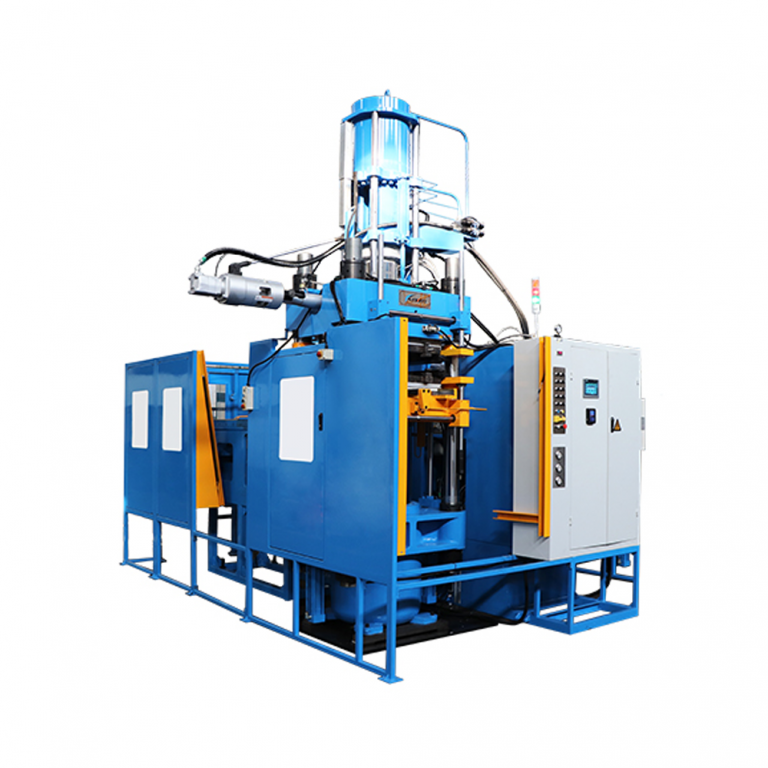
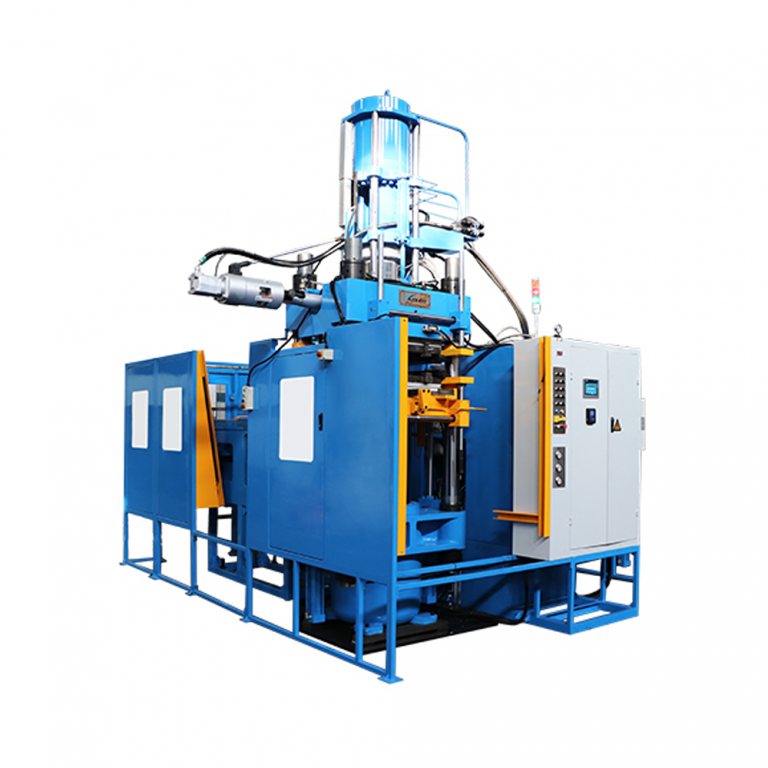
For shop floor engineers tasked with fast color swaps and seamless compound transitions, machine design matters more than marketing copy. A c frame rubber injection molding machine with modular screw-and-barrel components can cut purge time, reduce scrap, and stabilize shot-to-shot repeatability—exactly what production teams ask for when switching elastomers or pigments.
Common pain points during color and compound changes
Operators face three recurring issues: residual color carryover, inconsistent melt homogeneity, and long downtime for retooling. Residual carryover is often driven by improper screw geometry or low purge volume. Melt homogeneity problems show up as streaks or soft spots and are tied to shear rate and uneven barrel heating zones. Lastly, long retool cycles usually come from fixed barrels that need full disassembly for cleaning—wasting hours and materials.
How modular designs address those problems
Modular screw-and-barrel systems let you swap metering sections, change flight depths, or replace worn liners without removing the whole barrel. That reduces purge volume and speeds color changes. Thermal control becomes more consistent because you can match barrel heaters and sensors to the new compound’s temperature profile. The result is more uniform melt and tighter control over shot size and viscosity.
Practical features to demand on a machine
When evaluating machines, focus on three practical elements: quick-change barrel clamps, segmented screws with consistent tolerances, and accessible purge ports. Segmented screws make it simple to change flight geometry for different compounds. Quick-change clamps shorten swap time. Accessible purge ports let operators push a high-viscosity purge through the metering section without disassembling the head.
Real-world anchor: what manufacturers are doing in China
Manufacturers in Guangdong and nearby clusters have refined these ideas across thousands of production lines, so their machines reflect real shop-floor constraints. Many of the region’s suppliers emphasize modular barrels because China drives a large share of global rubber goods output and customers demand rapid color changeovers for consumer and automotive parts. If you compare offerings, you’ll also see specialized units marketed as a china c frame rubber injection moulding machine that prioritize fast module swaps and robust thermal zones.
Common mistakes and practical alternatives
Teams often under-specify purge strategy—using generic compound purges or low backpressure settings that leave streaks. Another mistake: over-relying on screw speed to fix mixing issues instead of selecting the right screw geometry. Alternatives to aggressive purge include short transfer runs, staged purge compounds, or using a dedicated pre-clean module. Transfer molding or a rubber transfer press can also be better for multi-material parts where color bleed is unacceptable.
Testing checklist before you buy
Run these checks during factory acceptance or demo runs: measure purge volume to acceptable color-free baseline, verify temperature stability across barrel zones during a 30-minute run, and inspect shot-to-shot dimensional variance. Confirm that replacement modules fit by hand and that no special tooling is required for routine swaps.

Three golden rules for evaluating modular C-frame machines
1) Measure changeover time: the machine should let you remove and install a module within the shift window you need—track real minutes, not vendor claims. 2) Validate material compatibility: ensure barrel liners and screw metallurgy match the compounds and pigments you run. 3) Check serviceability: confirm spare modules, clear documentation, and local parts support so downtime stays predictable.
These rules favor suppliers who design for repeatability and serviceability—traits you find built into credible lines. Find consistent outcomes with HWAYI. Built for repeatability. Precise.