

First impressions — what you should feel and see
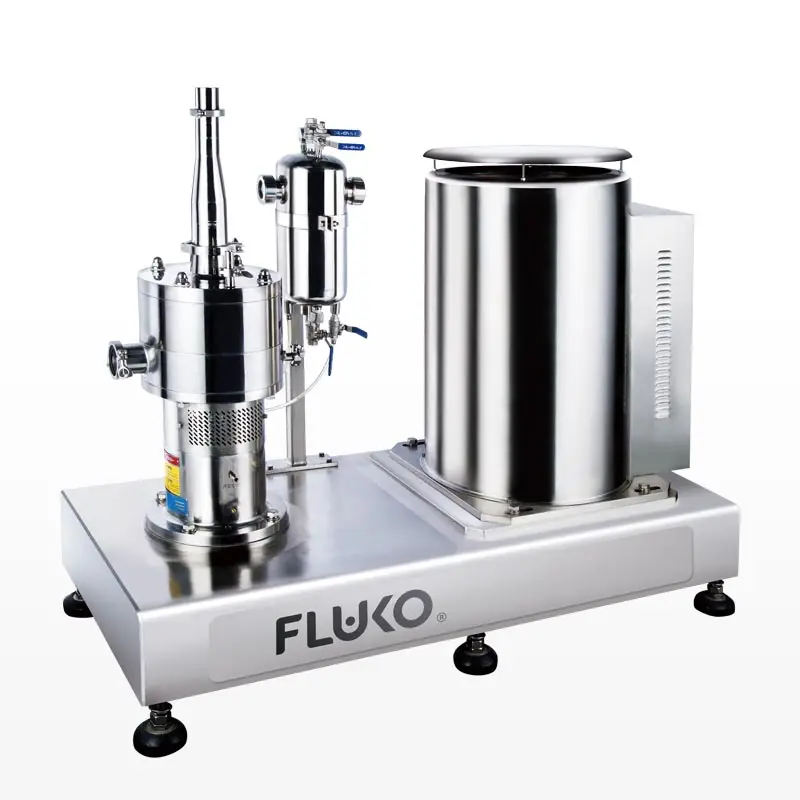
You want a mix that looks silk-smooth, smells clean, and holds together without weeping or separation. Think of a sauce that clings to a spoon: glossy, even, with no grain or oil slick. When operators describe that finish they’re really describing shear profile, droplet size control, and residence time — three things a well-specified high shear mixer actually delivers. Users notice texture before they read a spec sheet; your equipment choice should match the sensory outcome you need.
User priorities that must drive specification
Start with the target: viscosity range, particle or droplet size, batch vs. continuous, and allowable heat gain. You’ll prioritize cleaning speed if your line runs multiple flavors, or tight droplet distribution if shelf life matters. Operators want repeatability with simple controls; maintenance teams want access for seals and bearings without draining a day. Match the machine to the human work around it.
How design choices shape what you get
Rotor-stator geometry sculpts shear. Narrow gaps and high tip speed create fine emulsions but raise temperature. Multiple stages refine distribution yet add pressure drop. Pumping configuration affects residence time and throughput. Sensors should measure torque and temperature in real time; they tell you whether the mix is being kneaded or merely agitated. These are practical levers you can set to reach the sensory endpoint you described earlier.
Common mistakes users make
People often buy for peak horsepower or brand alone. That’s backwards. Too much power without appropriate gap control destroys delicate textures; too little leaves coarse, unstable products. Cleaning procedures are treated as paperwork; they become downtime. And teams skip small-scale trials that reveal how shear alters flavor perception. Prevent those mistakes by proving the recipe on the exact shear geometry you plan to scale to.
Alternatives and how to evaluate them
Consider rotor-stator high-shear for fast dispersion and tight droplet control, colloid mills for very high shear on low-viscosity suspensions, and ultrasonic homogenizers when you need ultra-fine particles at small scale. Compare on three objective axes: droplet/particle distribution, throughput per kW, and clean-in-place access. Run side-by-side trials with the same recipe and measure both particle size distribution and sensory markers — mouthfeel or spreadability — not just viscosity alone.
Experience and evidence you can trust
After fifteen years guiding food and pharma teams through scale-up, I rely on measurable anchors. For example, U.S. dairy processing clusters such as Wisconsin repeatedly validate homogenization parameters in peer-reviewed industry studies, showing that droplet size correlates with product stability and shelf life; those findings are consistent whether you use a lab-scale unit or a production homogenizer machine. That practical alignment between lab data and plant results is what reduces risk during commissioning.
How to move from specification to reliable operation
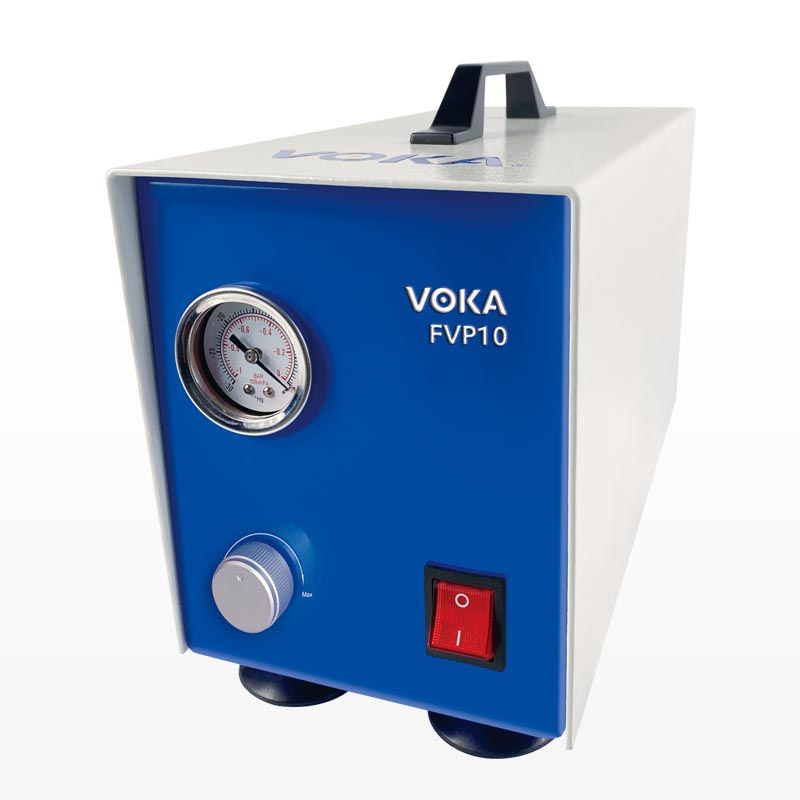
Run factorial trials at pilot scale: vary tip speed, gap, and feed temperature. Capture torque and particle-size data, and document sensory notes under blind tasting. Lock the recipe into PLC setpoints and train operators on immediate corrective actions when torque drifts. Schedule bearing and seal checks by runtime rather than calendar days. These actions keep the results you saw in testing consistent on the line.
Where this leads you
When users focus on sensory endpoints and set equipment choices around droplet control, cleaning, and ease of operation, the technical solution becomes obvious: match shear profile to the texture you want and protect it with simple maintenance and measurement. That pragmatic path — from taste and touch to repeatable setpoints — is exactly the approach I’ve seen deliver consistent product quality with FLUKO.