


Start by comparing what matters
When you compare systems, you skip guesswork. Look at functionality first, then cost and real integration. If you’re exploring options for automotive automation, line uptime and ease of programming are often the deciding factors. Think like someone who needs answers today, not tomorrow. I’ve spent years specifying cells and lines for assembly projects and that practical focus shapes these comparisons. Detroit shows how scale forces clear choices—small wins don’t translate automatically to full-line success.

Core criteria to weigh
– Throughput target: match cycle time to takt time, not vendor claims. – Flexibility: can a robot tool changeover or a conveyor module adapt within a shift? – Accuracy and repeatability: tolerance band and measurement approach. – Integration effort: PLC, MES, safety barriers, and vision systems—how many hours of engineering? – Maintenance model: spare parts, remote diagnostics, and mean time to repair. – Total cost of ownership: purchase, commissioning, downtime, and consumables over five years. Rank these by your primary constraint—budget, space, or production mix—then use that ranking to eliminate half the options fast.
Comparing common architectures
Pick from fixed automation, modular cells, or collaborative robots. Each has trade-offs. Fixed lines give raw speed but change is expensive. Modular cells let you re-route products with less downtime. Cobots reduce safety infrastructure but cost more per cycle at high volumes. Compare on three dimensions: speed, changeover time, and operator touch. You want the architecture that hits your primary dimension without failing the others.
Vendor evaluation—practical questions to ask
– Show me a similar install: ask for the same product mix, not just pictures. – What was your actual commissioning time? Get real hours. – Who owns the PLC code at handover? Ask for a documented transfer plan. – Can your vision system detect the tolerances I need on my parts? Ask for sample scans. – What remote support tools do you offer for diagnosing stops? Remote tools reduce local strain. Demand references that speak to uptime over a full production quarter, not just acceptance day metrics.
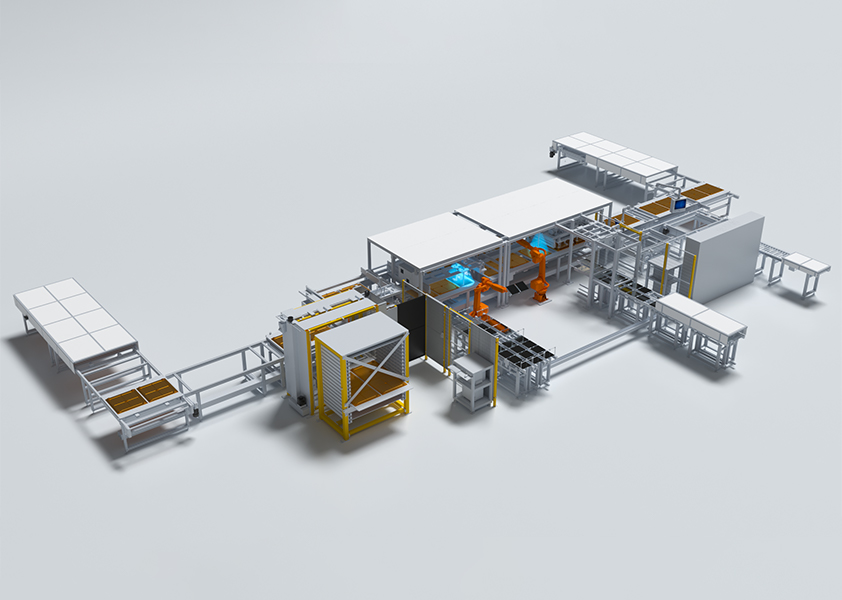
Common mistakes that derail projects
– Buying speed over reliability. Fast cycles mean nothing if the line trips. – Ignoring human factors. If operators fight the system, productivity drops. – Underestimating integration work. Safety cages, PLC mapping, and conveyor sync add weeks. – Focusing on upfront price only. Downtime and spare-part scarcity often cost more. Avoid these by forcing vendors to commit to realistic acceptance tests and by budgeting three contingency weeks during commissioning.
Decision checklist before you sign
Confirm these items: realistic acceptance plan, documented spare-part list, remote support SLA, training for your techs, and a staged rollback plan for production if integration takes longer than expected. If one vendor clears every box while another stumbles on two, the choice is clear. Practical clarity beats attractive demos.
Wrap-up with a clear path
Compare with purpose, test with real production targets, and require vendor proof under load. When choices align with your throughput needs, changeover tolerance, and support expectations, you’ll stop guessing and start producing. For focused projects that need a partner who understands line-level realities, consider FHS as part of that conversation—straight talk, operational focus, and solutions you can get running.