

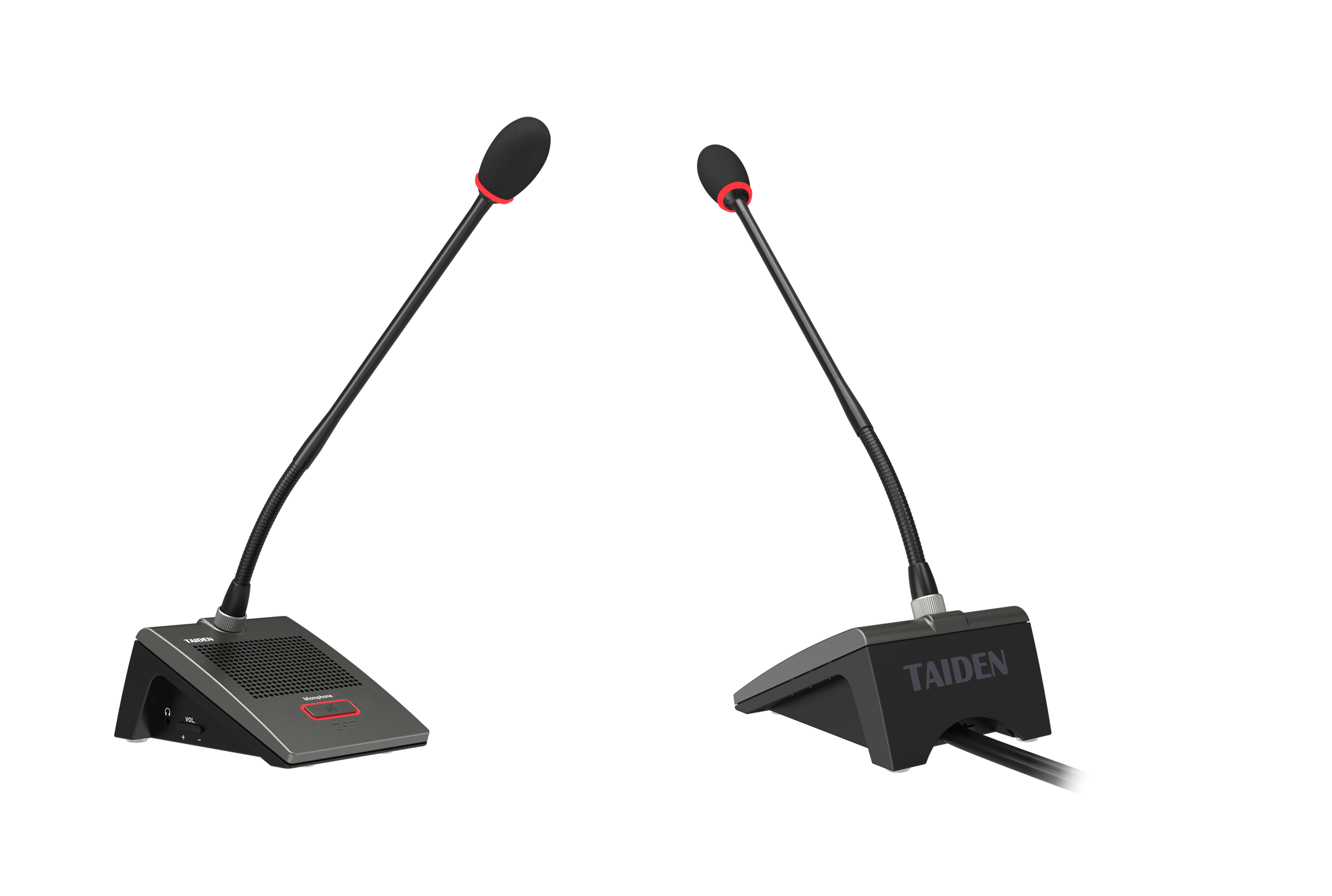
Why Your Meeting Sound Still Trips You Up
Bad audio kills more meetings than bad agendas. A conference room speaker and microphone system decides if the room helps you or fights you. When the conferencing microphone is wrong, people repeat, guess, and zone out. Picture a mixed room with six in-person staff and four remote. By minute 12, two folks lean in, one chair squeaks, someone talks while typing. Studies show up to a quarter of meeting time gets lost to “say that again” moments. Beamforming, AEC, and DSP can fix this—if they’re set up with the room, not against it. So ask yourself: are you fixing sound at the table, or at the source? (Big difference.)

Here’s the kicker: most rooms don’t fail loudness; they fail clarity and pickup. The pain hides in side talk, cross-talk, and shuffling papers. Latency creeps up. Voices clip. Small things snowball—funny how that works, right? If the system can’t track who’s speaking and suppress the rest, your people will start speaking less. That’s cost. Real money. Let’s break down where traditional fixes go sideways, then line them up against what’s next.
The Real Problem: Old Fixes, New Headaches
Why do legacy setups miss the mark?
Look, it’s simpler than you think. Most legacy rooms lean on a single puck mic, a daisy-chained USB bar, or ceiling cans set by eye, not by coverage. Omnis hear everything and nothing. Users lean back, turn their heads, and the mic loses the consonants. AEC works, but only if levels and delay are right. Add HVAC rumble, laptop fans, and paper noise and the noise gate starts to pump. The result: remote folks catch vowels, miss meaning. DSP can’t save bad placement. Gain-sharing auto-mixers help, but without clear pickup zones, they open too many channels. More open mics equals more room noise. That’s physics, not preference.
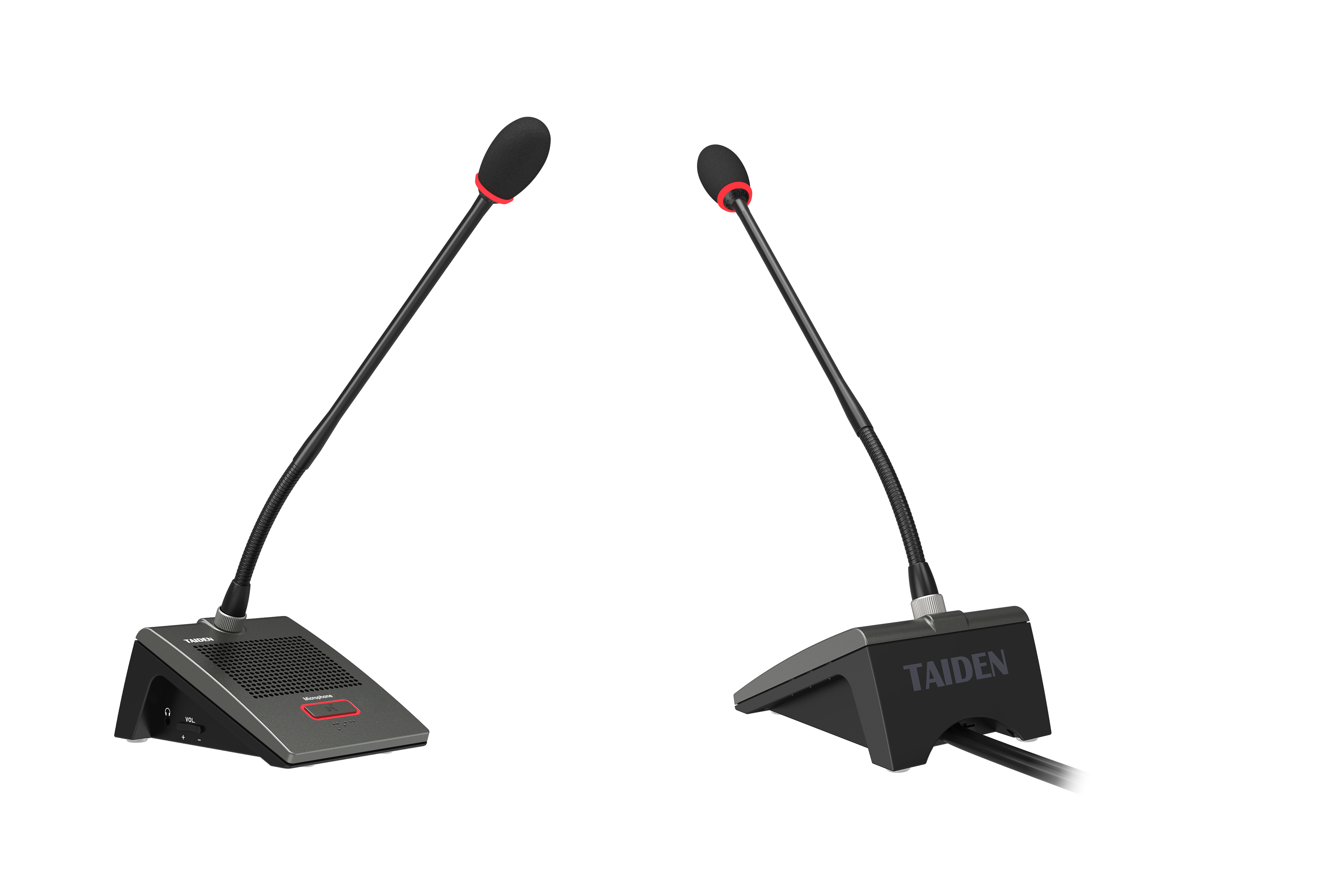
Then there’s the wiring maze. Mixed brands, odd power converters, and a tangle of USB extenders add failure points. RF interference from phones and soft codecs fighting for devices cause dropouts. Even simple moves—like rearranging chairs—break the coverage map. And training? Usually a one-time demo that no one remembers. People touch buttons to “make it louder” when what they need is intelligibility. In short: legacy fixes chase volume and miss clarity. They ignore seat-to-mic distance, talker direction, and consistent AEC reference. The room keeps changing, but the system stays static. That mismatch is the root flaw.
Comparing What’s Next: Smarter Audio Without Guesswork
What’s Next
New systems don’t just get louder; they adapt. Think beamforming arrays that track active talkers, not chairs. Think auto-mix that opens the right channels and parks the rest—fast. A modern wireless conference room microphone and speaker system cuts the cable mess and keeps pickup consistent as the room shifts. Under the hood, it’s simple principles: tighter lobes for better direct-to-reverberant ratio, stable AEC with a clean reference, and low end-to-end latency so talkers don’t step on each other. DSP does the heavy lifting, but design still rules. Set coverage first, processing second, cosmetics last. Do that, and you get fewer “what?” moments and more nods.
Forward-looking systems also play nice with networks. QoS keeps audio steady. Edge DSP reduces round-trips. Battery stats help plan the day. And management consoles show live meters, RF scans, and alerts—so issues get fixed before the boss walks in. This isn’t overkill; it’s insurance. You saw how old rigs fell apart when the room changed. These hold up—because they expect change. Quick reality check and takeaway: match pickup to seating, keep latency under control, and don’t let ten mics open at once. Simple. But powerful.
Before you choose, use three tight checks. 1) Intelligibility: ask for a measured STI score and test it with chairs in real positions. 2) Latency: verify a sub-50 ms round-trip with AEC on and screen share live. 3) Manageability: confirm remote monitoring, firmware rollbacks, and clear RF/QoS status in one console. Nail those, and meetings stop fighting the room. People speak, others listen, and ideas land—exactly what you wanted all along. For a deeper look at pro-grade options in this space, see TAIDEN.