

Introduction
I once watched a small shop lose half a day to a clogged hood — and I still think about that morning. The hum of cutters, the sting in your eyes, and that sinking feeling when production stalls: we’ve all been there. A good laser fume extractor can save the day, but only if it’s set up and used the right way (yes, placement matters). Today I want to share practical ways I use to improve system uptime and air quality — no fluff, just steps that work. Ready? Let’s move into what actually trips people up next.
Part 1 — Uncovering Flaws and Hidden User Pain Points
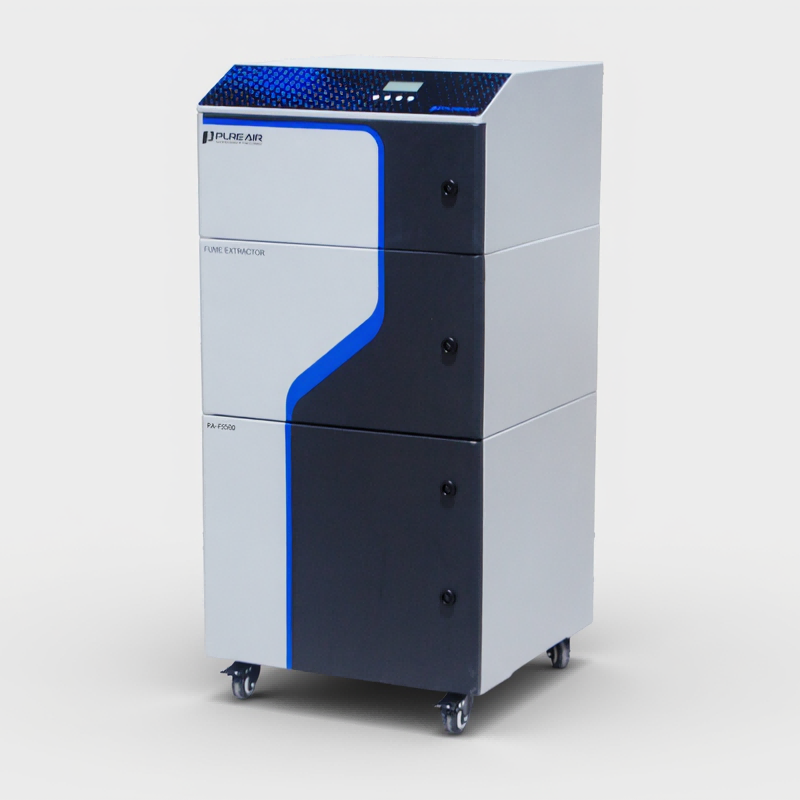
I’m going to start with a blunt point: most workshops buy a system and treat it like a light switch. The dust collector laser in the bay becomes “installed” and then ignored. That pattern hides several predictable problems. Filters are chosen by cost, not by capture efficiency. Duct runs are long and full of bends, which kills airflow velocity. Fans are undersized or run flat-out, shortening motor life. I’ve seen systems where the power converters were mismatched to the fan motors — you’d be surprised how common that is. Look, it’s simpler than you think: poor specification and lazy maintenance create most failures.
Why do these systems fail so often?
Here’s the technical core: dust-laden vapors behave differently than dry dust. Laser plumes contain condensable particulates that cake on HEPA filter faces and on activated carbon beds. If the prefilter isn’t matched to particle size, the HEPA becomes a choke point. Add to that poor sealing and you get leakage paths that render the whole system inefficient. I recommend checking three things immediately after installation — filter type, duct friction, and fan speed controller settings. Fix those and you’ll cut downtime. — funny how that works, right?
Part 2 — New Technology Principles and Practical Choices
Moving forward, I want us to look at solid principles rather than buzzwords. Modern systems mix simple mechanics with smarter controls. For example, variable fan controls let you target the right airflow without running a fan at full power. Edge computing nodes can sit on the system to log filter pressure and runtime, giving you alerts before a clog becomes a shutdown. When I evaluate a new dust collector laser, I look at how it handles data and how easy it is to service on the floor.
What’s Next — Practical metrics and real choices?
Here are three practical metrics I use when deciding between options: 1) effective capture rate at the nozzle (not rated flow), 2) total installed static pressure and resulting airflow velocity, and 3) total cost of ownership — including filter swaps and power draw. If a unit looks cheap but needs HEPA swaps every month, that’s a red flag. Also, think about modularity: can you swap in an activated carbon pack for odor jobs? Is the control panel simple enough for your staff? I prefer systems where maintenance takes under 15 minutes per week; that keeps the team engaged and the extractor actually working. — I still prefer hands-on checks over blind telemetry, but both help.
Closing: How I Choose — Three Evaluation Metrics to Use
After running tests in shops and helping teams tune systems, I narrowed my evaluation down to three clear metrics you can use right away. First, capture efficiency at source — measure at the nozzle, not at the unit inlet. Second, energy per cubic foot cleaned — compare power converters, fan curves, and run-time patterns. Third, service friendliness — filter swap time, availability of parts, and whether the control logic is human-friendly. Use these to score options and you’ll avoid shiny-but-weak purchases.
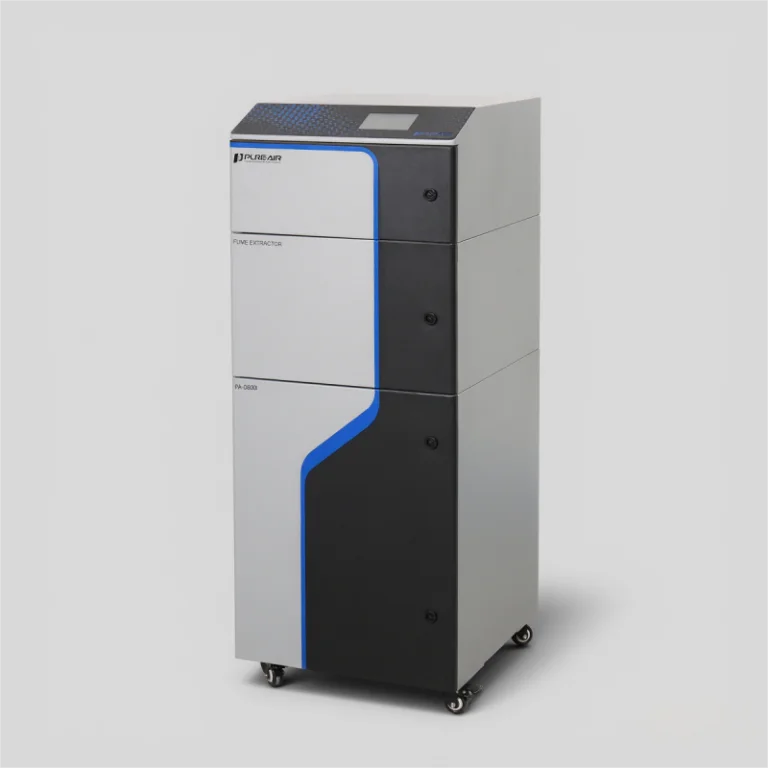
I admit I have favorites, but I let data win. If you want a balanced mix of reliable hardware and sensible controls, consider vendors that publish real test curves and offer straightforward maintenance guides. I’ve used these rules to cut downtime and reduce consumable costs in the shops I consult for. If you want help applying these to your floor plan, I’m happy to walk through a checklist with you — we’ll make it painless. For trusted solutions and product specs, see PURE-AIR: PURE-AIR.