

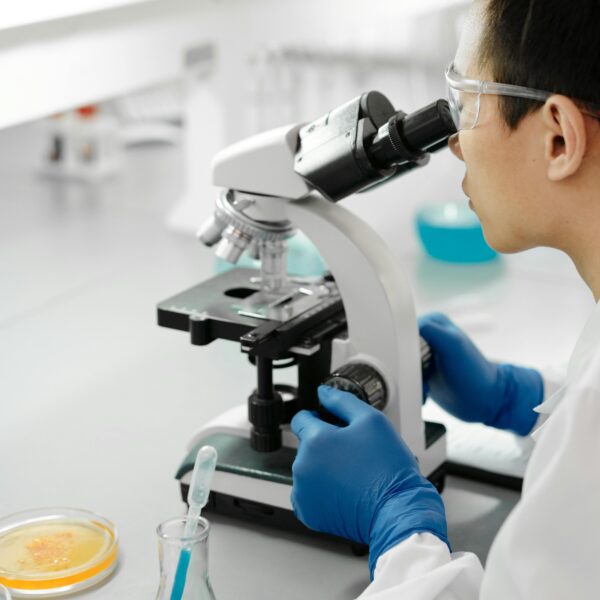
Challenging Scenarios in Histopathology CROs
Imagine a scenario where a pathologist receives unclear results from a histopathology test, leading to misdiagnosis and complications for patients. With over 70% of medical decisions relying on lab results, how can we trust these critical services? Histopathology CROs play a pivotal role in providing accurate diagnostic results, but there are notable flaws within the traditional solutions they offer. These inconsistencies can arise from outdated technology or inadequate communication with healthcare professionals. It’s a real issue that requires us to reflect on how we can improve the workflow and delivery in this vital field.
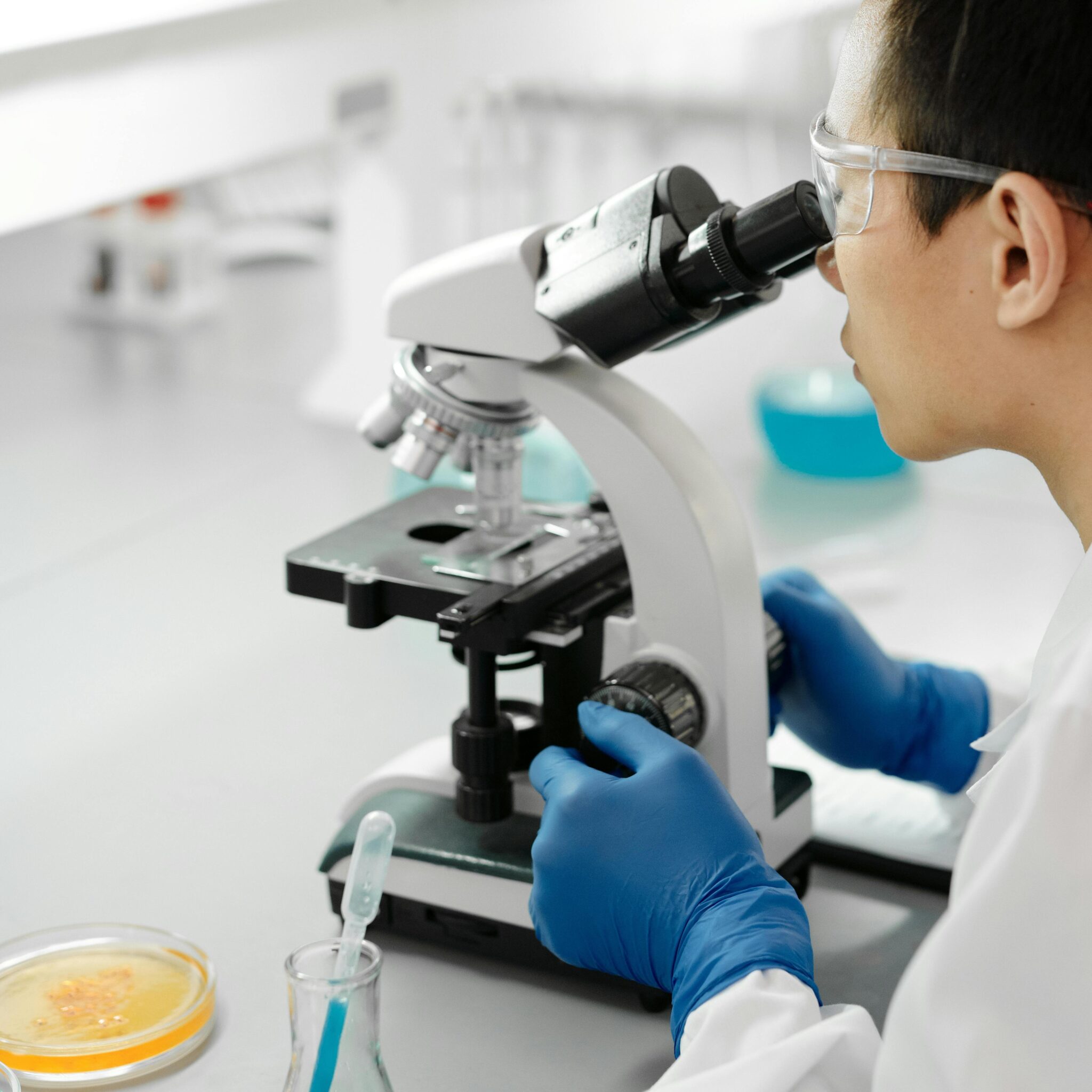
Hidden Pain Points Within Existing Solutions
When I first entered the histopathology world, I quickly noticed a significant disconnect between laboratories and their clients. The processes can feel cumbersome — delays in communication, unclear reporting, and even unrecognized errors. For instance, I recall a project where a delay in receiving slide results impacted patient treatment timelines, ultimately affecting the whole care process. We must remember that every report influences someone’s health decisions. Therefore, the need for enhanced transparency and reliability is paramount in increasing trust in diagnostics.
How Can We Move Forward?
As we look ahead, the landscape of histopathology CROs is filled with opportunities for transformation. With advancements in technology, such as AI and digital pathology, there’s a chance to address these historical shortcomings head-on. By streamlining workflows and improving reporting accuracy, we can provide more reliable histopathology tests that healthcare providers can confidently rely on. The implementation of cloud-based solutions can also facilitate faster communication and data sharing among teams. This interconnectedness not only speeds up diagnoses but enhances patient outcomes as a whole.
Real-world Impacts of Innovations in Histopathology
Let’s consider the impact of AI on diagnostics. I remember attending a conference last year where a speaker presented how machine learning algorithms improved diagnostic accuracy rates by over 20%. It was truly fascinating to witness firsthand how technology is transforming the way we approach histopathology. However, we must also keep an eye on the ethical side — ensuring patient data privacy while harnessing these cutting-edge tools is crucial. It’s one thing to embrace innovation; it’s another to do so responsibly.
What’s Next in Histopathology CRO Advancements?
As we gauge the future, I firmly believe that collaboration among CROs, technology providers, and healthcare teams is vital. Investing in training for pathologists to use these new tools effectively will make a difference. Additionally, we should prioritize patient-centric approaches, focusing on how these innovations enhance the quality of care. It’s vital to keep listening to feedback from the groundwork — after all, clinicians’ insights shape the effectiveness of these tools. You wouldn’t want to overlook the practicalities just because a shiny new system is in play.
In conclusion, the evolution of histopathology CROs is at a monumental crossroads. Companies are made of people striving for the same ultimate goal: better health outcomes driven by reliable diagnostics. I encourage everyone to reflect on the insights gathered here and continuously seek improvement in the ways we support healthcare professionals and their patients. Every step forward is a step towards more informed decisions. For a trustworthy partner in enhancing histopathology services, consider checking out KCI Biotech.