

Introduction — A workshop, a figure, and a question
I was in a small machine shop outside Cape Town, watching a lathe cough and cough until it finally steadied — that scene stuck with me. The motor controller in the control cabinet was clearly older than the operator; you could hear it in the hum. Industry notes suggest legacy drives can underperform by as much as 20–30% compared with modern inverters (ja, I checked the spec plate). So what really separates a clunky retrofit from a modern, efficient installation — and who pays the price until someone acts? This is where we start: a plain scene, a bit of data, and a practical question that matters to every plant manager and maker. Let’s move on and dig under the cover of that cabinet — we’ll find the real story next.
Part 1 — Where traditional electric motor solutions fall short
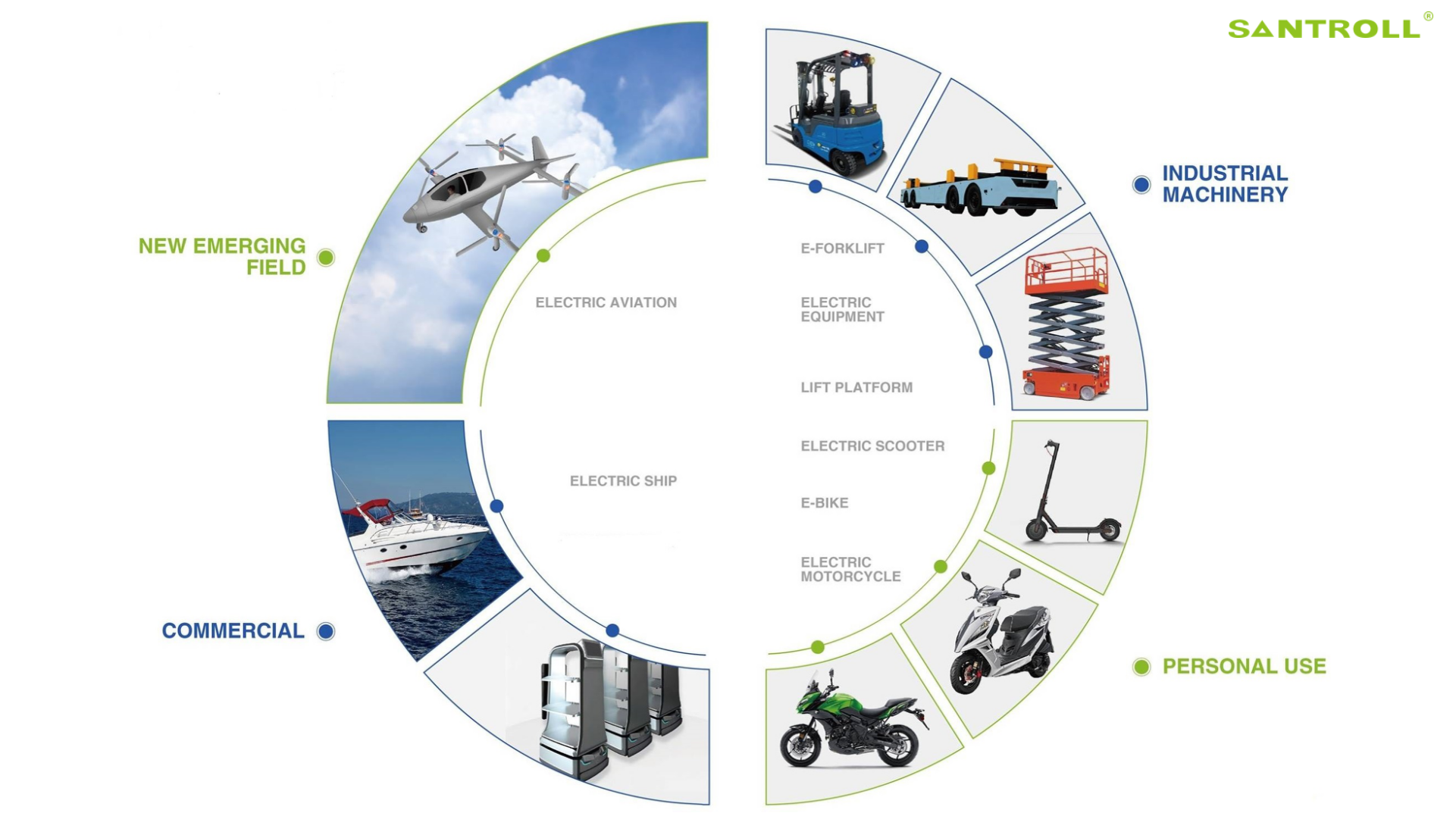
I want to be frank: many so‑called fixes are papering over problems. When I talk about electric motor solutions, I mean the full stack — from the power converters and PWM stages to the control algorithms that live in the firmware. Too often, installers bolt in a newer drive but leave the system wiring, sensors and configuration untouched. The result? Gains on the spec sheet that don’t show up on the shop floor. Field-oriented control may be supported on the unit, but if feedback wiring is noisy or torque control gains are wrong, you still get hunting, heat and wasted cycles. Look, it’s simpler than you think: you need matched hardware, correct tuning and honest commissioning — not a quick swap.
What are the usual failure modes?
From my experience, the usual culprits are thermal stress from poor cooling, weak transient protection, and mismatched motor‑inverter pairs. Add in neglected filters and you’ll see bearing currents and EMI issues creep in. I’ve sat through too many meetings where teams argued over “software tuning” when the real failure was a poor motor cable route — frustrating, and avoidable. Power converters and inverter stages are only as good as the system they sit inside. — funny how that works, right?
Part 2 — New principles and the path forward
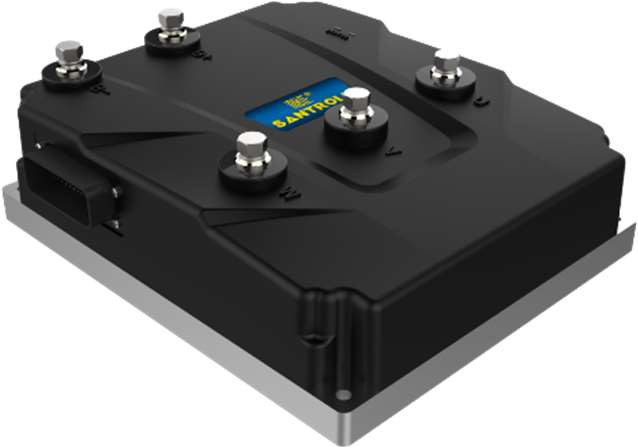
Now, let me outline where I think the industry needs to go next. I’m talking principles, not marketing lines. First: system thinking. You can’t isolate an ac motor speed controller from the motor, gearbox, load profile and plant controls. Second: smarter sensing — simple current and temperature sensing combined with predictive thresholds gives far better uptime than bulky margins. Third: modularity in firmware (so you can update field‑oriented control schemes without rewiring) reduces lifecycle cost. These are practical ideas — not pipe dreams — and they change how I evaluate a solution. I like clear diagnostics, adaptive PWM strategies, and conservative thermal maps. They cut downtime and save energy. — and yes, they cost a bit more up front, but the payback is real and measurable.
Real-world impact?
We trialed a modern drive on a materials‑handling line and saw smoother torque delivery and less current ripple within weeks. Maintenance logs showed fewer bearing complaints; operators felt the machines ran “calmer.” I felt the change too — rewarding, honestly. When you choose a modern ac motor speed controller, you aren’t buying only a box; you are buying a set of practices: commissioning, tuning, and a plan for firmware updates. That’s where long‑term value lives. In short: pick the unit that helps you operate better, not just the one with the prettiest spec sheet.
Conclusion — Practical metrics for choosing the right controller
I’ve learned a few hard lessons on factory floors, and I want to leave you with three measurable metrics that I now use every time I advise a purchase. First: commissioning support — does the supplier provide on‑site or remote tuning to validate field‑oriented control and PWM settings? Second: diagnostics and telemetry — can the inverter report bearing current trends, DC bus health, and thermal history? Third: upgrade path and modularity — is the firmware and control architecture open enough to accept future enhancements without a full replacement? If you score a candidate against these three, you’ll avoid many of the headaches I’ve seen.
I’ll be honest: replacing a controller can feel like admitting something failed. But done right, it’s a chance to make the whole system run smoother, safer and cheaper. For hands‑on teams and procurement folk who want a sensible next step, check suppliers that back their tech with real commissioning and clear fault diagnostics — that’s where the savings show up. For more reference and product details, see Santroll.