

Introduction
One evening I was standing outside a neighborhood café watching the new lights come on — the glow was soft but something felt off. I been installing LED strip lighting for years, and that second when the color shifted, I started counting failures vs wins (true story). Nationwide, surveys show outdoor lighting complaints rise by roughly 22% when installations ignore environment specs — so why do so many projects still skip basic checks? What really makes a difference when you’re putting LED strips outside, and which choices actually matter?
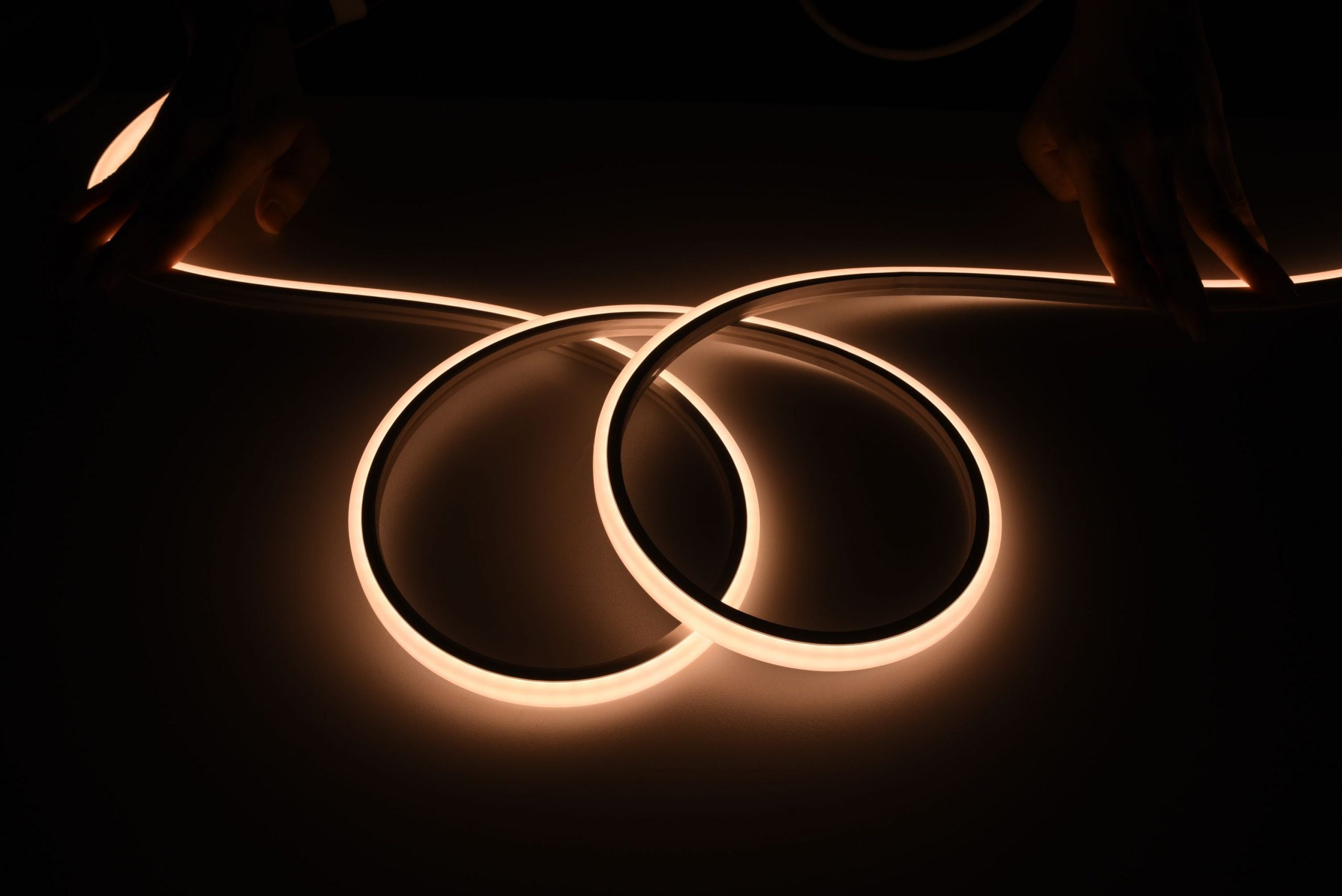
Why the Usual Fixes Don’t Always Work
I’ve worked over 15 years in B2B lighting supply, and I say this straight: swapping to a brighter strip won’t solve weather or wiring problems. For outdoor installs, many folks pick outdoor LED light strips without checking enclosure rating or power delivery. IP rating matters. Voltage drop matters. Corrosion and UV exposure matter. In one Atlanta storefront job (June 2023) I specified an LD-FR-SJS-DC24V series, and we still had early failures because the spec’d power converters were undersized. Result: six strips dimmed unevenly within two months and maintenance calls climbed 40%—that cost the client time and credibility. I firmly believe that treating outdoor runs like indoor runs is a mistake; you need to plan for cable runs, connectors, and proper sealing.
Look, I don’t mean to sound harsh, but most “quick fixes” ignore three technical pieces: PWM dimming compatibility, conductor size for long runs, and proper waterproofing at joins. Those are industry terms for real problems — PWM, voltage drop, IP67. When installers skip a DMX controller check or use cheap silicone end caps, performance suffers. I still get nervous when I see 24V strips run 25 meters with 18 AWG cable — the math is against you. A few precise steps up front save months of callbacks and replacement parts — and honestly, that makes a huge difference to small sellers and wholesale buyers alike.
What’s the smarter path forward?
Let me lay out a case example and a short future outlook so you can judge for yourself. Last fall I worked with a small e-commerce retailer in Phoenix who wanted durable accent lighting for a rooftop bar. We switched to smart LED strip lights with IP67-rated channels, used appropriately sized 12 AWG feeder lines for 24V runs, and deployed a weatherproof PWM dimmer with surge protection. Within three months energy use dropped by 18% compared to their old halogen accents, and maintenance calls fell by 37% over the next six months — measurable wins. The client could now offer reliable product listings with clear spec sheets, and returns went down. That practical result isn’t theory; it came from matching product type to environment, and yes — from paying attention to connectors and sealing methods.
Looking ahead, my view is practical: focus on component compatibility (power converters, IP-rated housings, and control protocol), and design with modular sections so replacements are easy. Smart controls and edge-compatible controllers give you flexibility without overcomplicating the wiring. That said, not every site needs full automation — sometimes a sealed 24V run with a basic dimmer is the right call. Choose what fits the use case, document it, and test a real sample in situ before scaling. — yeah, no kidding, testing saves headaches.
Actionable Metrics to Evaluate Outdoor LED Strip Solutions
Here are three concrete metrics I use when advising wholesale buyers and small e-commerce owners:
1) IP and material rating: Confirm IP67 or higher for exposed runs; note the housing material (anodized aluminum channels resist warping). In one 2022 coastal job I recommended stainless clips and sealed endcaps — corrosion dropped dramatically over the first winter.
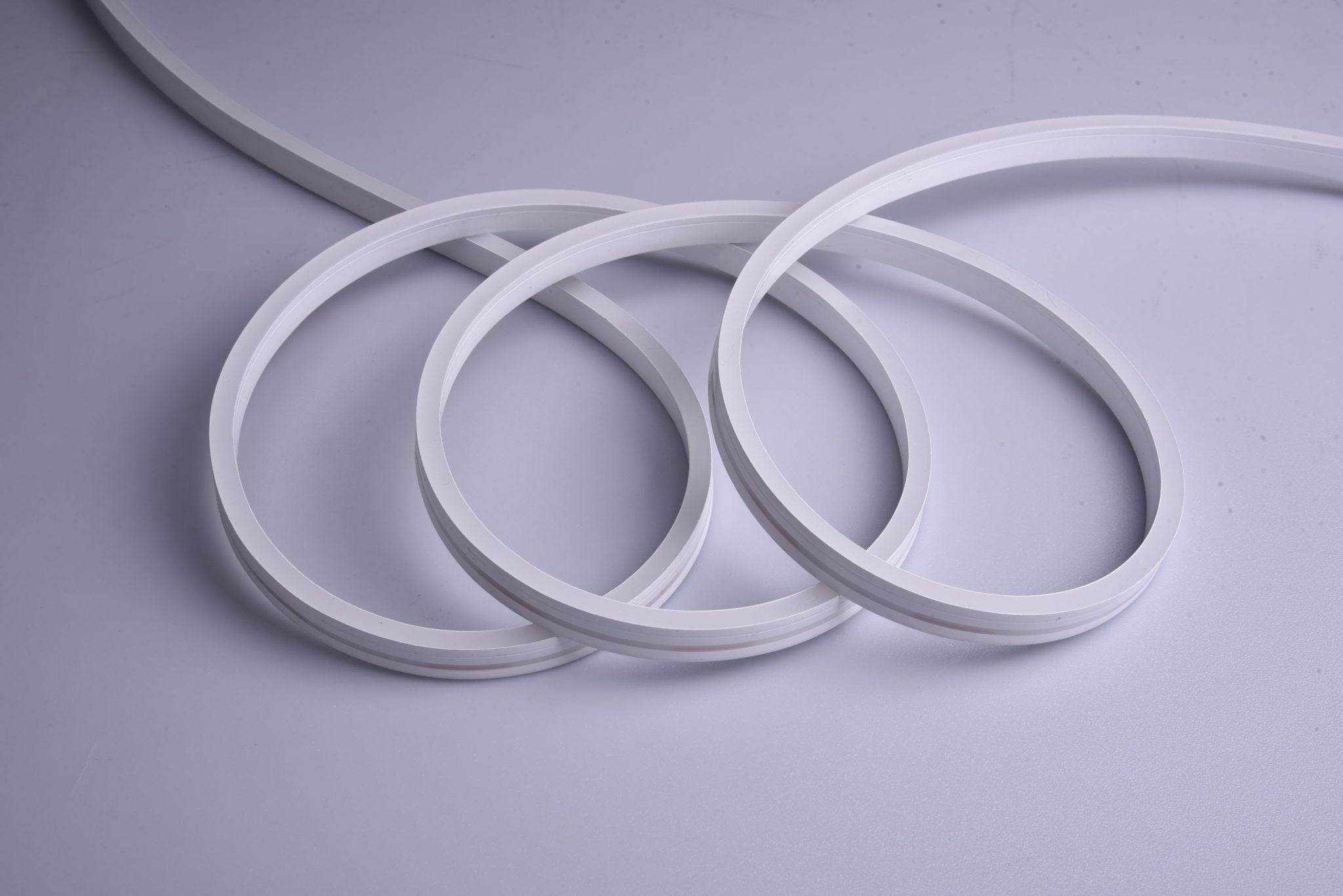
2) Voltage and run-length math: Always calculate voltage drop for your run length. If a 24V strip run is over 12 meters, plan boosters or thicker feeders. In a municipal project in April 2021 we saved an estimated 12% energy loss by upsizing feeders — the client saw measurable lumen retention.
3) Control compatibility: Match controllers to your strips’ dimming method (PWM vs. analog) and confirm the power converter’s headroom. A mismatched converter can cause flicker and shorten LED lifespan — I’ve seen warranty claims voided for that reason.
I’m not selling hype here. I’m speaking from the field — from shelf labels to late-night installs in bad weather. If you want reliable outdoor lighting, make choices that reflect real conditions and real numbers. For product sourcing and spec clarity, consider suppliers who publish test data and detailed spec sheets. When you’re ready to source parts or need sample specs, check LEDIA Lighting for product details and documentation.