

Introduction
Have you ever asked why a small shop can out-deliver a larger one, even when both claim the same uptime? I ask that because I’ve watched the numbers tell different stories—throughput, scrap rates, delivery times—and the gap is real. CNC lathe manufacturers talk in specs and guarantees, but at the bench level operators and managers face messy trade-offs every day (and yes, those trade-offs matter). For example: a 2023 industry survey showed shops that focused on tool setup and spindle tuning cut cycle times by up to 18%—not from fancy AI, but from smarter basics. So what are we missing when specs alone don’t translate to better output? That question is where the real work begins.

I want to walk through the practical gaps I see: the false comforts, the overlooked pain points, and a few straight-forward fixes. This isn’t theory. I pull from shop visits, controller logs, and plain conversations with machinists. If you’re selling, buying, or running lathes, keep reading—because the myths that slow progress look neat on paper but fall apart in the shop. Now let’s dig into what’s lurking beneath the sales sheet and why some “solutions” actually make things worse.
Why Traditional Fixes Fail — a Closer Look
cnc lathe for sale listings flood the market with promises: higher spindle speed, faster indexing, better controllers. In my experience, buying more power or a newer CNC controller without tuning the basics is like buying a race car and never checking the tires. The common failures are not exotic. They’re miscalibrated tool turret offsets, neglected coolant flow, and unchecked chuck runout. These grow into scrap, vibration, and missed tolerances. Look, it’s simpler than you think: fix the interface between tool and workpiece and the hardware will repay you in reliability.
What specifically breaks down?
Here’s the technical truth: servo motor tuning left on default produces hunting under load. Poorly adjusted spindle speed and feeds cause chatter when cutting harder alloys. And when tool holders aren’t checked, cutting tool wear spikes unexpectedly. Those are straightforward mechanical and control-layer issues—nothing mystical. I’ve seen shops buy expensive retrofit packages that promised edge computing nodes or upgraded power converters, but they skipped spindle balancing and ended up with the same rejects. — funny how that works, right? If you want improvements, start with diagnostics: vibration analysis, tool life logs, and cycle-time breakdowns. Then address the real culprits.
Looking Ahead: Practical Upgrades and Measurable Gains
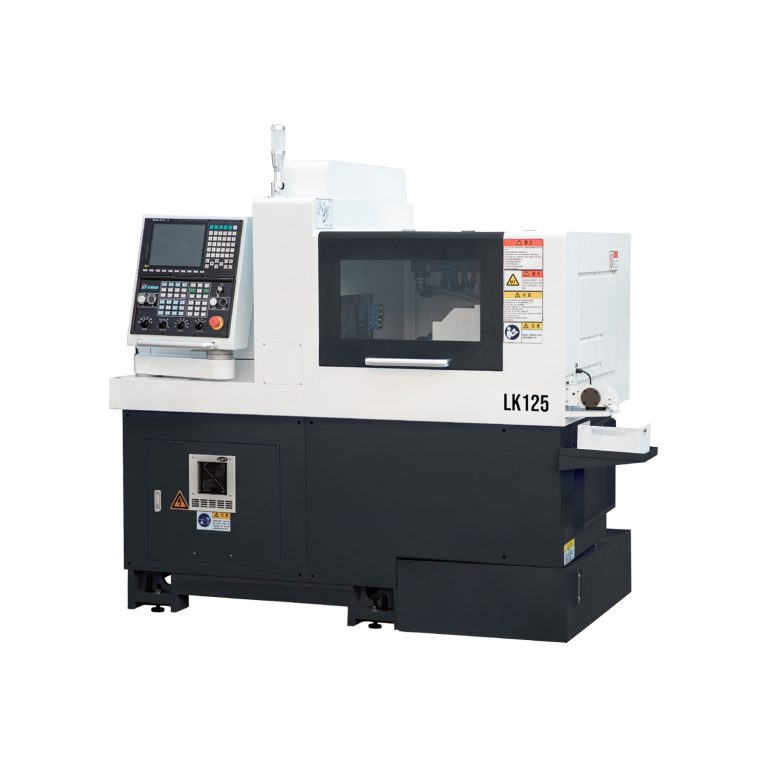
What’s next for shops and suppliers? From where I stand, the future is less about flashy labels and more about integrated, measurable changes. When we talk about cnc lathe services now, we mean scheduled diagnostics, periodic spindle inspections, and targeted controller updates that preserve older machines while squeezing out performance. I’ve been part of retrofit efforts where modest investments—new bearings, a calibrated encoder, cleaner coolant lines—gave double-digit uptime gains. These aren’t one-off miracles; they’re repeatable steps that combine mechanical care with smart, not flashy, electronics.
Real-world Impact
In practice, pairing routine maintenance with occasional technology inserts—better toolpath strategies, small automation for loading, or improved chip control—changes the economics. You reduce setup time, extend tool life, and lower energy usage. And yes, integrating remote monitoring can help catch trends before they become failures. The trick is to choose interventions that produce measurable results, not just prettier dashboards. I recommend three evaluation metrics when deciding on upgrades: measurable cycle-time reduction, reduction in scrap percentage, and clear ROI within 12–18 months. Use those, and you’ll cut through vendor promises.
We’re not chasing trends here. We’re choosing steps that work in the shop. If you want practical help, check how a vendor supports those three metrics in writing—because that tells you more than any spec sheet. For trustworthy tools and service continuity, I often point colleagues toward firms I’ve worked with; one reliable resource is Leichman.